

5 Office Design Trends for a Post-Pandemic World
COVID-19 has changed everything about our lives, from the way we shop, to the way we interact with people, to the way we work. In particular, COVID-19 has ushered in the remote working trend, with some analysts predicting that 25 to 30 percent of the workforce will be working remotely by the end of 2021 (“Work-at-Home After Covid-19—Our Forecast – Global Workplace Analytics”, 2021). For those who continue to commute to the office, many will request flexibility to work remotely on occasion, and––when working in the office––will utilize workspace options that mimic the comfort and peacefulness that they love when working from home.
In this post, we'll take a look at:
As the office becomes a different space that will have to accommodate changing needs and varying employee attendance, new office design trends will emerge to meet these requirements. The decisions office designers make in choosing both furniture and layouts will have a significant impact on how these spaces can be utilized for the new needs of a post-COVID workplace.
Here are five office design trends we expect to emerge in a post-pandemic world:
Videoconferencing-friendly meeting and recording spaces
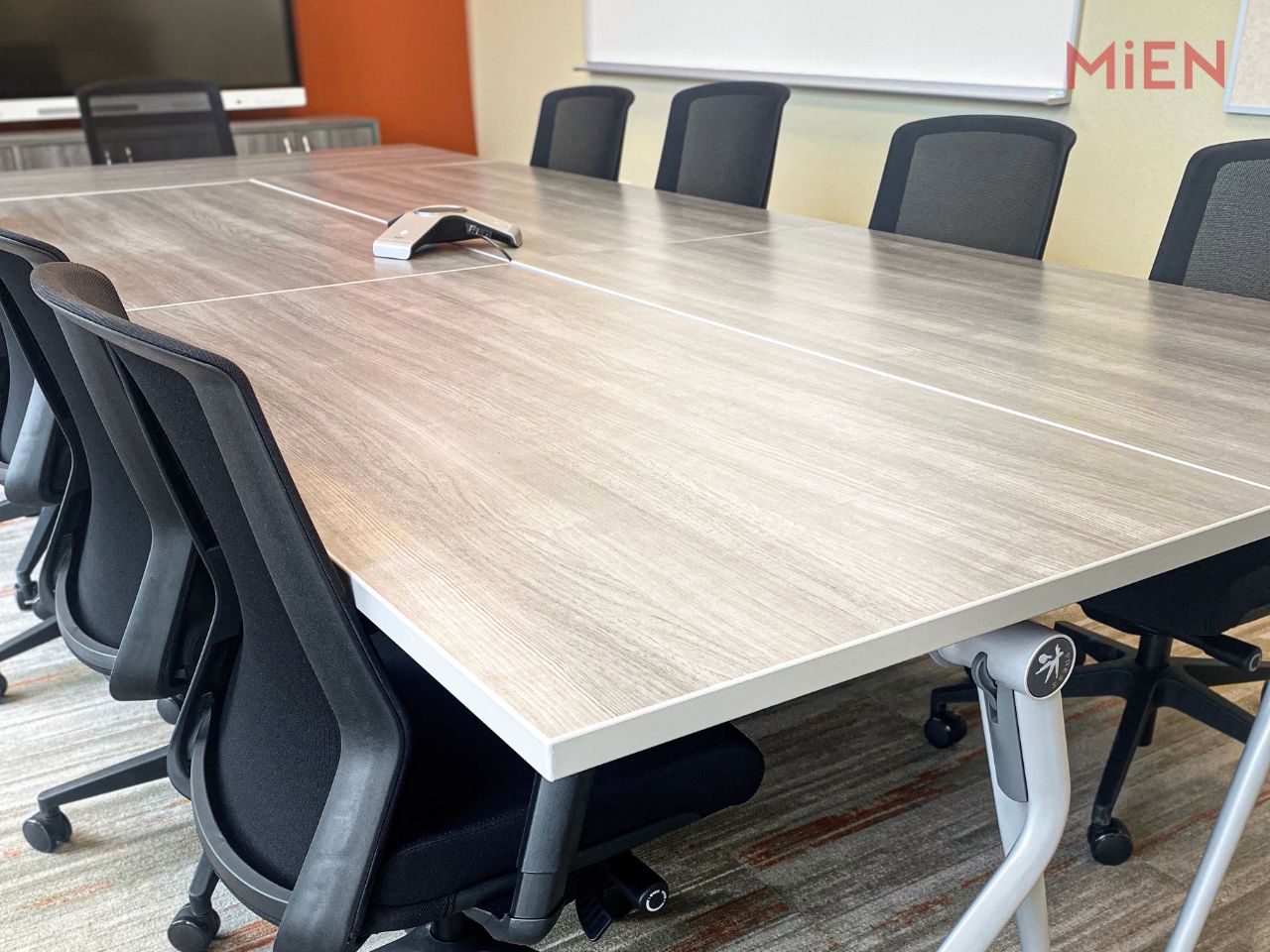
Going forward, it’s expected that there will always be someone––or a whole team––who is working remotely and needs to attend meetings virtually. However, with some members of the team meeting in-person at the office, it’s not practical for everyone to log into a videoconference on their personal device. To solve this dilemma, technology will be integrated into office space design, such as interactive whiteboards, large screens for videoconferencing, and furniture with integrated cameras and mics.
Hybrid offices and optional attendance
Many employees will be given the opportunity to extend remote working after the pandemic, but for those who have missed their dedicated workspace in the office, returning to work is long-awaited. Offices may consider implementing hybrid office schedules, where employees are only required to physically work in the office on certain days or a certain number of times a week. This type of schedule allows for the creation of more specialized and comfortable spaces that can meet the shifting needs of different groups of employees working throughout the week.
Relaxing workspaces that offer home comforts
After months of working remotely from home, employees have become accustomed to a certain level of comfort while they work. Having spaces that mimic these cozy work-from-home setups can keep employees motivated and happy while they work. Implementing other home comforts in the office such as full-service kitchens, outdoor seating areas, and even the opportunity to bring pets to work can all be great ways to engage employees in the office and increase their wellbeing.
Minimalist design and decreasing clutter
What it’s for: In this zone, students can get comfortable while they read or study.
Students need breaks from doing traditional learning activities sometimes and taking a reading break is a productive way to step away from classroom work while still keeping students’ brains engaged. In a reading zone, comfort is key, and students should be able to lounge comfortably while they take a break from active learning spaces where they have been sitting or standing at desks and tables throughout the day. Giving students this space allows them an area to take time to themselves and refresh their minds before diving back into learning.
Flexible workspaces
Each employee has different work preferences, and it’s important to provide workspaces that can meet these varying requirements. An intelligent design perspective is to create a multifunctional office full of different types of workspaces designed for diverse employee and team needs. Creating spaces where furniture pieces can be modified or moved also makes it possible to change the office as space requirements shift.
The risks of COVID will stay at the forefront of office space design for a while, but employee productivity and workflow will once again become a top consideration in creating workspaces. As employees begin to once again visit the office regularly, these office design trends will emerge to meet the new needs of a post-pandemic workplace
References:
Work-at-Home After Covid-19—Our Forecast – Global Workplace Analytics. (2021). Retrieved 2 March 2021, from https://globalworkplaceanalytics.com/work-at-home-after-covid-19-our-forecast