

Supporting Self-Regulation Through Environment Design
In today’s classrooms, educators are increasingly focused on helping students develop the tools they need not only to learn but to regulate their emotions, behavior, and attention. This ability—known as self-regulation—is essential for academic success and lifelong well-being. But while curricula and teaching strategies play a vital role, so too does the design of the physical learning environment.
In this post, we'll take a look at:
At MiEN, we believe that creating a supportive sensory friendly environment can help support self-regulation. From the colors and textures used in a space to the types of furniture provided, intentional design can reduce stress, increase focus, and support better student engagement. MiEN expert Cecilia Cruse, MS, OTR/ L will walk you through a few key concepts:
“The Environment is the third teacher”- Loris Malaguzzi
What is Self-Regulation?
Self-regulation is the ability to manage behavior and emotions to meet the demands of a specific situation. Calming down when you get upset, adjusting to an unexpected schedule change and/or handling frustration without an outburst or meltdown are good examples. The Collaborative for Academic and Social Emotional Learning (CASEL Framework) identifies this as competency as Self-Management and states (it is) “the ability to manage one’s emotions, thoughts, and behaviors effectively in different situations and to achieve goals and aspirations. This includes the capacities to delay gratification, manage stress, and feel motivation and agency to accomplish personal and collective goals.” Emotional dysregulation is the term used when a child or student lacks this skillset so erupts either gradually or quickly into a fight, flight, freeze or fawn response. According to the National Child Traumatic Stress Network (NCTSN) approximately 25% of American children will have experienced a traumatic event by age 16. Recent statistics indicate that 1 in 5 children in the US are now considered to be neurodivergent with LD (Learning Disability) or ADHD (Attention Deficit Hyperactivity Disorder). And according to the latest CDC stats 1 in 31 children are now identified with ASD (Autism Spectrum Disorder). Both trauma and neurodivergence may cause challenges with sensory processing or the inability to modulate, discriminate, coordinate or organize sensations adaptively. Trauma symptoms can resemble sensory processing disorders as a result of these altered states of arousal; with hypersensitivity to sound, touch, light or movement. And we know that learning cannot take place if a student is afraid/anxious or experiences other dysregulated states.
* Founder of the Reggio Emilia approach to early childhood education.
In today’s busy classroom, some students may experience sensory overload with the glare of fluorescent lights, noise from electronic devices and visual noise from busy bulletin boards. These sensory over responders are in contrast to other students that may need additional sensory input through touch or movement to stay alert and focused. So how do we create a supportive environment that accommodates individual sensory and social/emotional preferences?
Designing for Calm and Control
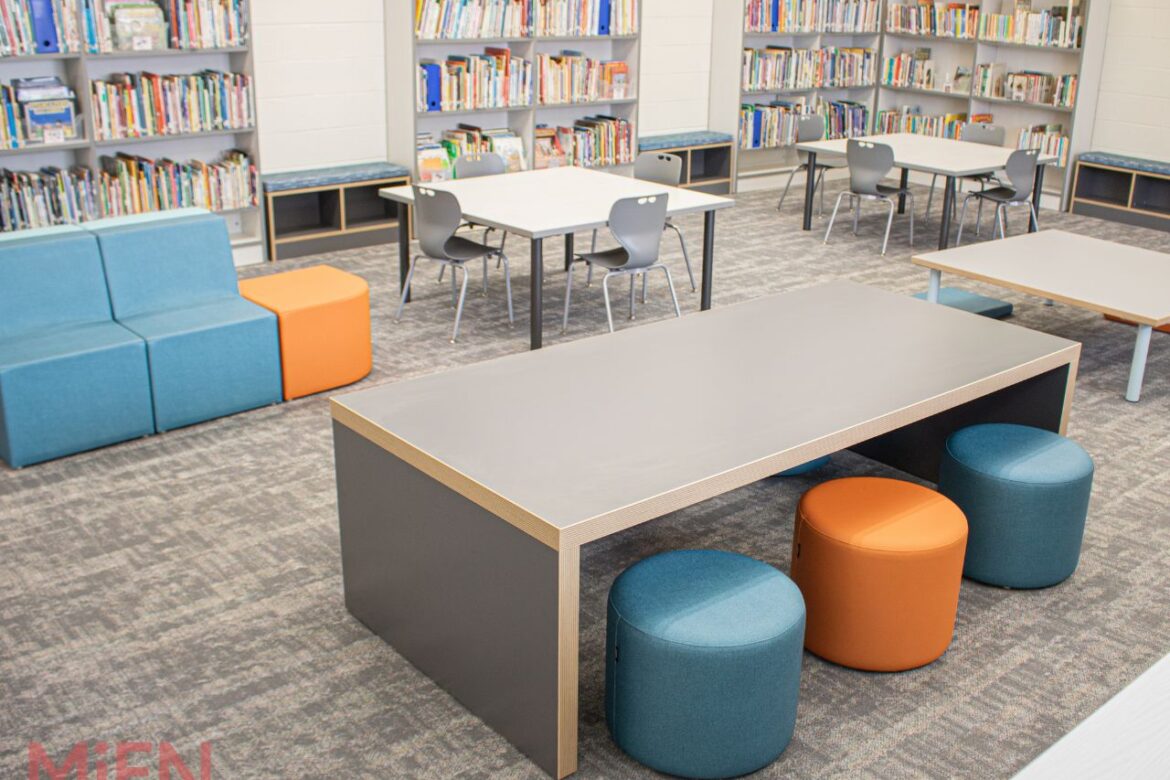
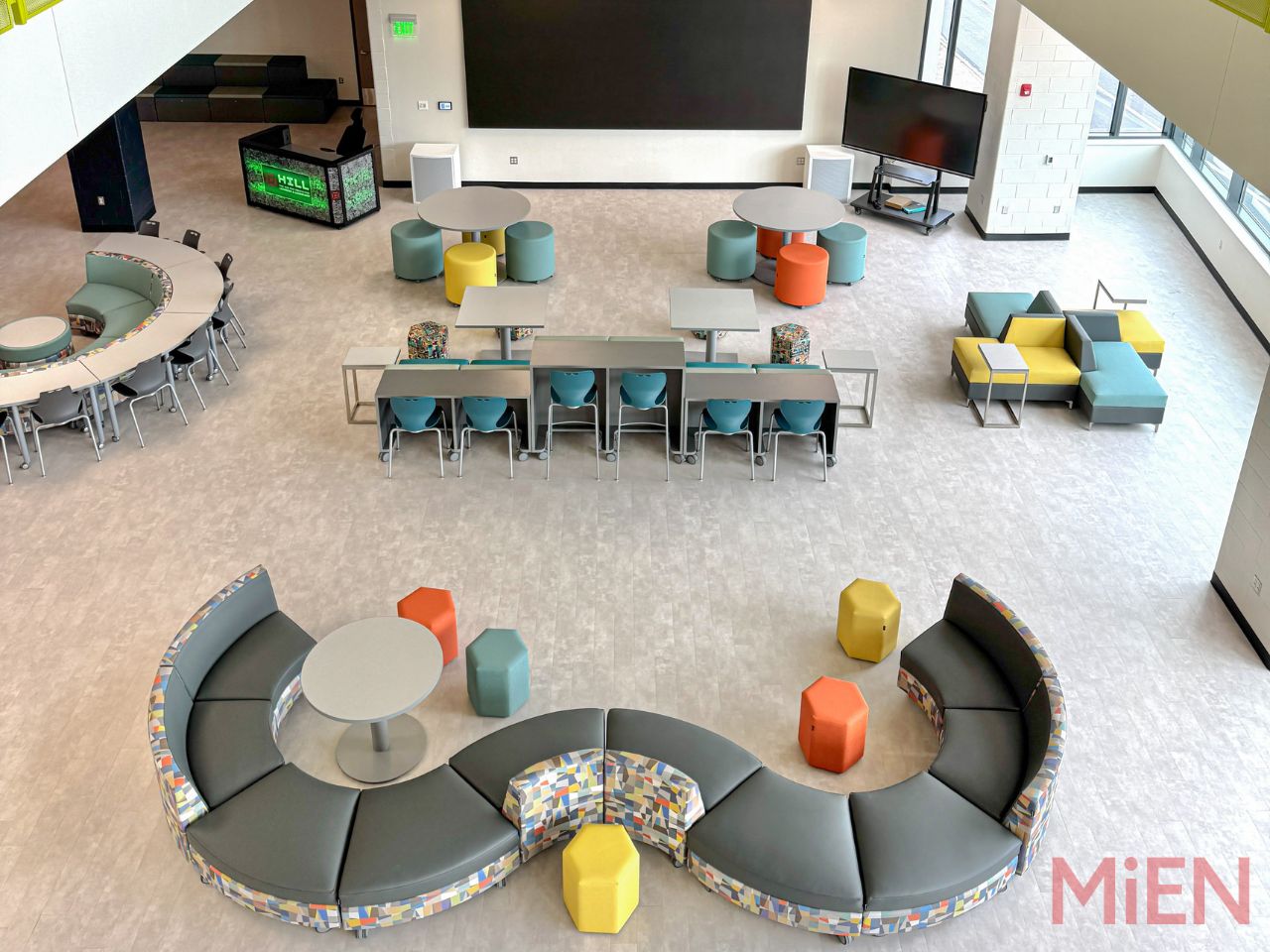
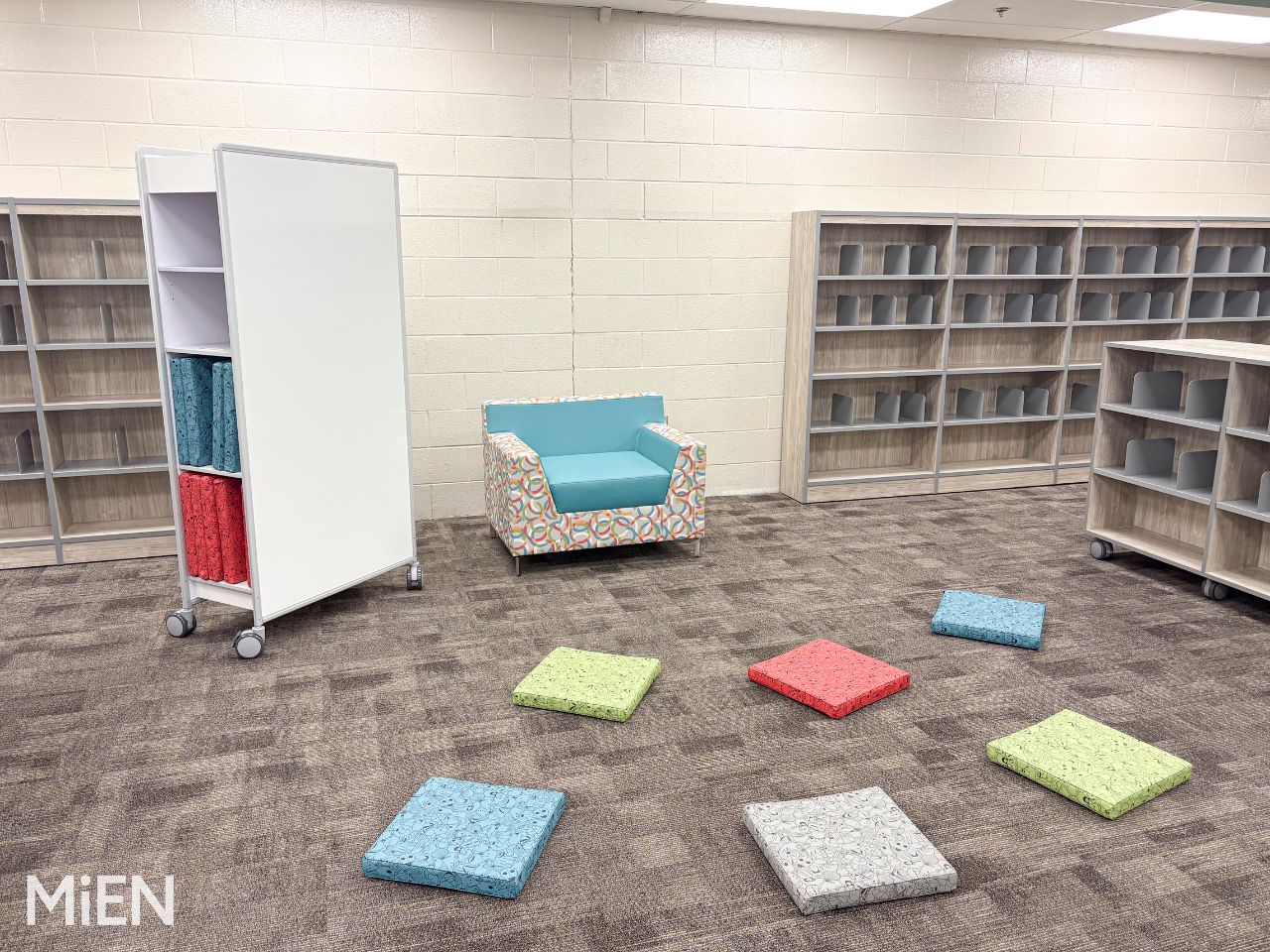
Self-regulation begins with feeling safe and grounded. Classrooms that are overstimulating—visually, acoustically, or physically—can challenge students’ ability to stay calm and focused. Spaces designed with zoning, variety, and sensory sensitivity in mind can offer students choices in how and where they work, helping them find the environment that best suits their regulation needs in the moment.
MiEN Product Highlight:
GROW Nest – This nature-inspired floor pod is designed to offer a cocoon-like retreat that feels both calming and secure. Covered in artificial grass and paired with a sensory-supportive floor pad, the Nest supports deep pressure touch and offers a quiet cave-like zone—perfect for students who need a moment to reset.
Movement as Regulation
Incorporating movement into the classroom isn’t just about kinesthetic learning—it’s also a powerful tool for emotional regulation. Research supports the concepts that physical activity has a positive impact on the prefrontal cortex of the brain, which is responsible for important cognitive and emotional skills including attention/maintaining focus; behavior and judgment; planning and organization; and the ability to Initiate or delay responses. Other studies on dynamic seating also indicate vestibular or movement input affects self-regulation. So having access to dynamic seating options may help make a difference in focus, attention and behavior.
MiEN Product Highlight:
RKR Adjustable Stool – is an creative solution for active students in a classroom allowing students to move naturally while staying in a stationary position. Weighted on the bottom with a special floor grip, the RKR is similar to the exercise-ball concept, but with a smaller footprint. Designed to wobble and shift with the user, this stool engages core muscles and allows for subtle, self-directed movement. Students can fidget productively, which helps regulate attention without disrupting others.
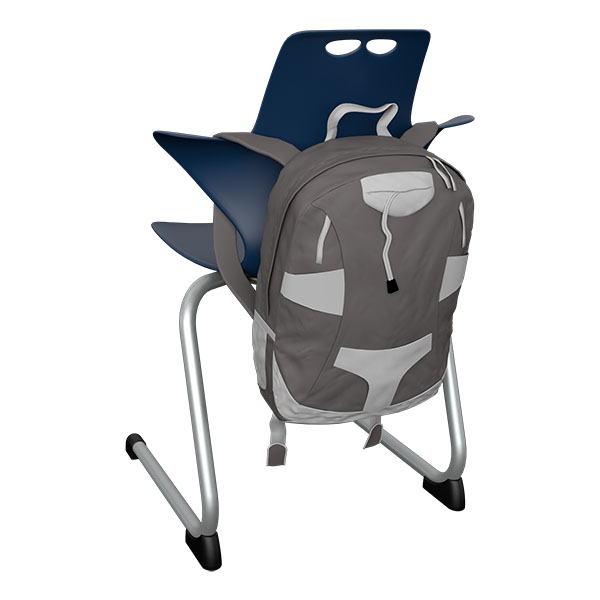
Tauri Cantilever Chair – designed to foster student interaction and focus this chair features an ergonomic cantilever base and lightweight design which makes for an ideal choice for modern educational spaces that encourage flexibility and movement. It’s a great option for neurodiverse learners who need options beyond traditional seating as the sled base allows for gentile movement while the full back provides stable trunk support.


Flexible Zones for Emotional Needs
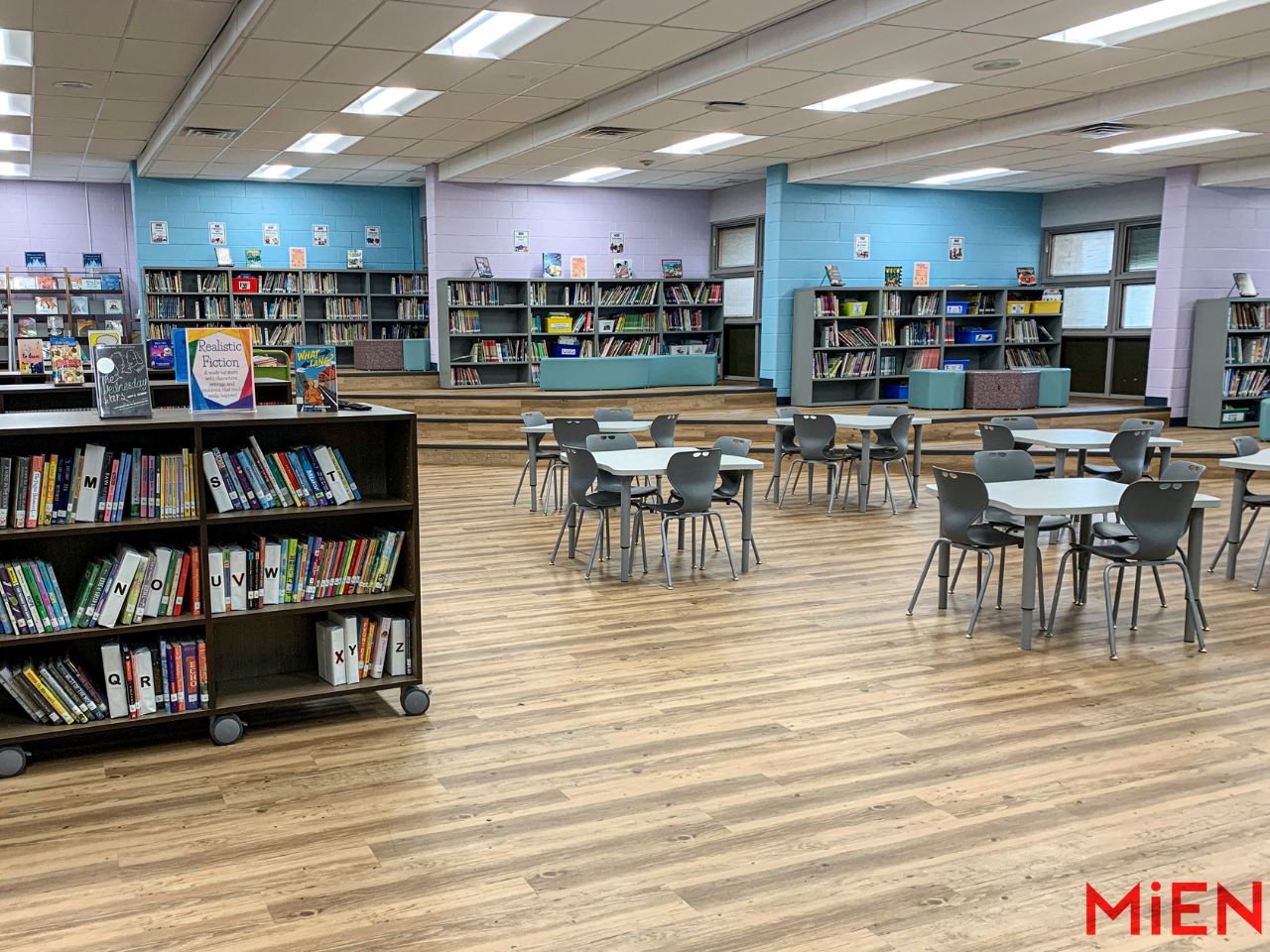
Many students, especially those under the neurodivergent umbrella struggle in a more traditional “chalk and talk” type classroom layout. Data clearly indicates that students with disabilities are disproportionately disciplined at a higher rate than their neurotypical peers. Without understanding their cognitive and sensory preferences these students may be singled out for “behavior issues” that may in part be due to poor classroom design. Shifting to a more sensory friendly design for self-regulation that includes options for a change of scenery or a shift in engagement level is the first step. Designing clearly defined classroom zones—for collaboration, solo work, and retreat—can support students in making those transitions independently and may in turn help reduce off task behaviors and discipline issues.
MiEN Product Highlight:
GECKO Table – With its organic shape and mobile design, the GECKO supports a variety of spatial arrangements and student configurations. Whether it’s pulled into a small group or separated for quiet, focused work, it adapts to student needs in real time.
Storage & Organization Units – MiEN’s storage solutions, from wallscapes to mobile cubbies, help reduce visual clutter and establish boundaries. An organized space helps reduce anxiety and encourages calm and focus.
Empowering Self-Choice and Routine
One of the cornerstones of self-regulation is autonomy. When students can choose where to sit, how to move, and when to take a break within clear expectations, they begin to build intrinsic strategies that last beyond the classroom. The CASEL Framework identifies this as agency, a key aspect of self-management or self-regulation. This is the sense of empowerment to make choices and take actions and which in turn fosters the sense that students can make a positive difference in their lives and their communities. This aligns with the idea of autonomy, where individuals have the freedom to make their own decisions and take control of their learning and development.

Designing for Tomorrow’s Learners Today
Self-regulation is not just a “special education” concept—it’s foundational for every learner. As we build the classrooms of the future, we must ensure they do more than deliver instruction—they must respond to the whole child including physical, cognitive, sensory and emotional needs.
At MiEN, our furniture solutions are intentionally designed to support this holistic view of universal design. When paired with flexible design thinking, we can help educators cultivate a learning environment where every student can find their calm, their focus, their voice and their success!
Want to learn more about how MiEN’s products support self-regulation? Let us help you build an environment that nurtures every learner’s potential. Contact us today.