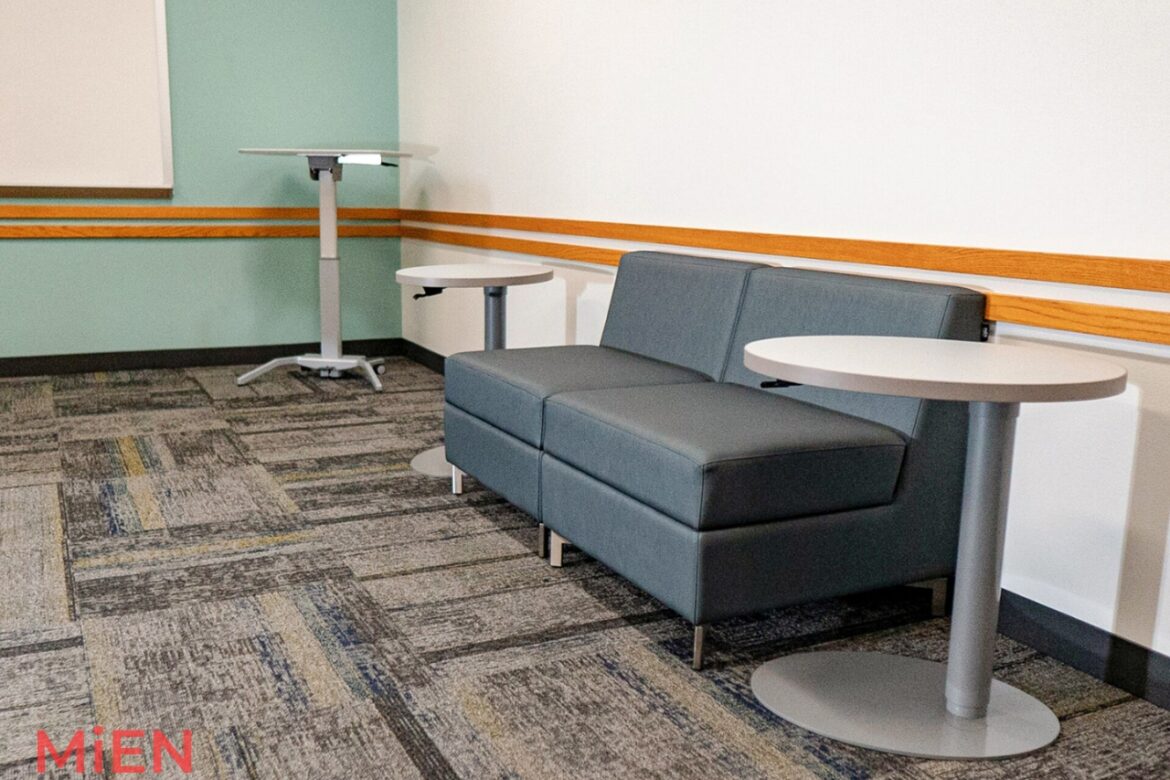
Transforming Campus Spaces at UMN: 5 Essentials for Upgrading College Learning Environments
- March 1, 2025
- MiEN

The modern college student has unique expectations for their higher education experience: flexible and diverse learning opportunities, robust student services, and a campus designed to facilitate connection, social interaction, and networking. As colleges adapt their approach to suit the needs of modern students, many are investing in campus upgrades to cultivate more inviting and engaging environments for students. These institutions are prioritizing versatile, inclusive, and inspiring spaces that accommodate an unconventional generation of learners and innovative teaching methods.
In this post, we'll take a look at:
In a recent modernization project at the University of Minnesota (UMN), design firm Ideal utilized MiEN furnishings to transform several campus spaces to meet the changing needs of the institution and its students. Ideal considered five features in the process of reimagining various learning environments on the Twin Cities campus of the University of Minnesota.
Budget constraints are a reality for many institutions, but affordability doesn’t have to come at the expense of quality or style. Balancing affordability with innovative design practices enables universities to thoughtfully invest in their educational spaces, making meaningful upgrades accessible for a wider range of schools and students.
One way university redesign projects can be sensitive to budgets is by reusing design elements that are already present in the space. At UMN, Ideal selected textiles for the new MiEN furnishings in colors and textures that complemented the existing colors in the updated spaces. This cost-effective approach is transformative, cultivating a more modern and inviting space, yet it ensures the overall design remains cohesive.
When modernizing university spaces, it’s important to consider the flexibility of new furnishings to facilitate seamless transitions in each learning environment. Functional higher education spaces must balance the varying needs of educators, learners, and student groups.
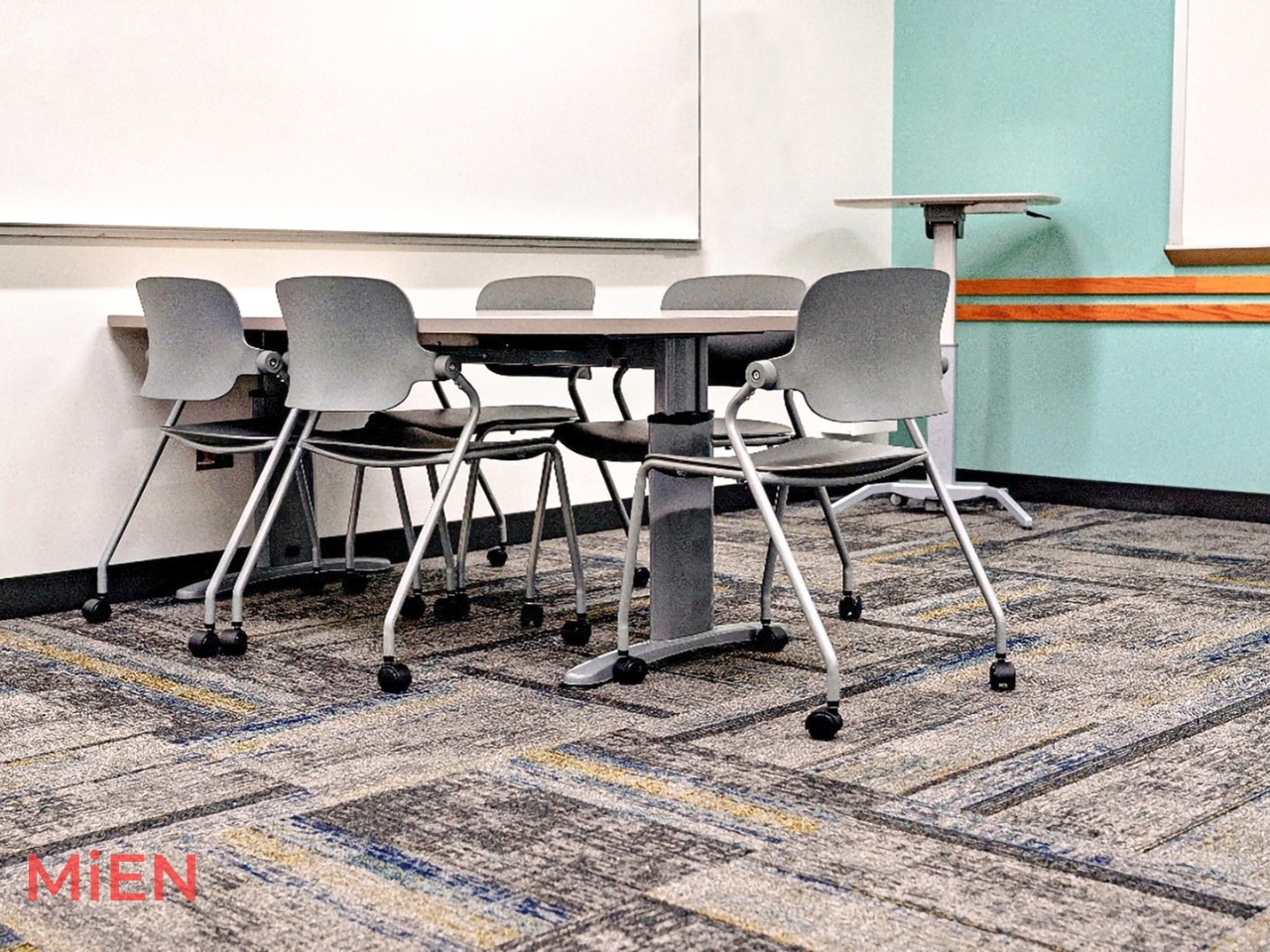
Simple furniture add-ons––such as casters or slides on tables and stools––enable spaces to adapt to the needs of different users, accommodating large groups, small classes, student groups, and more. Modular furniture also improves the adaptability of the space, making it possible to rearrange furniture in alternative configurations in the future.
Furniture that is well-constructed and sturdy is a key consideration for universities that want to get the most out of their investment. Selecting a furniture partner with durability at the forefront of your decision ensures your furnishings remain looking new for longer and will reduce the frequency of repairs and replacements in the long term.
Many of the furniture selections Ideal implemented at UMN utilize aluminum and steel internal construction to withstand the rigors of daily use while remaining comfortable and budget-friendly. Additionally, the furniture installed in Ford, Church, and McNeal halls all feature metal edge binding that will not chip and tough, stain-resistant fabrics designed for high traffic areas.

College students spend a lot of time on campus––many live there full time––so it’s important that institutions are filled with spaces that are inspiring, motivating, and aesthetically pleasing. A well-designed higher education environment can foster a sense of belonging and positively impact students’ mood and behavior, which is essential for student success.
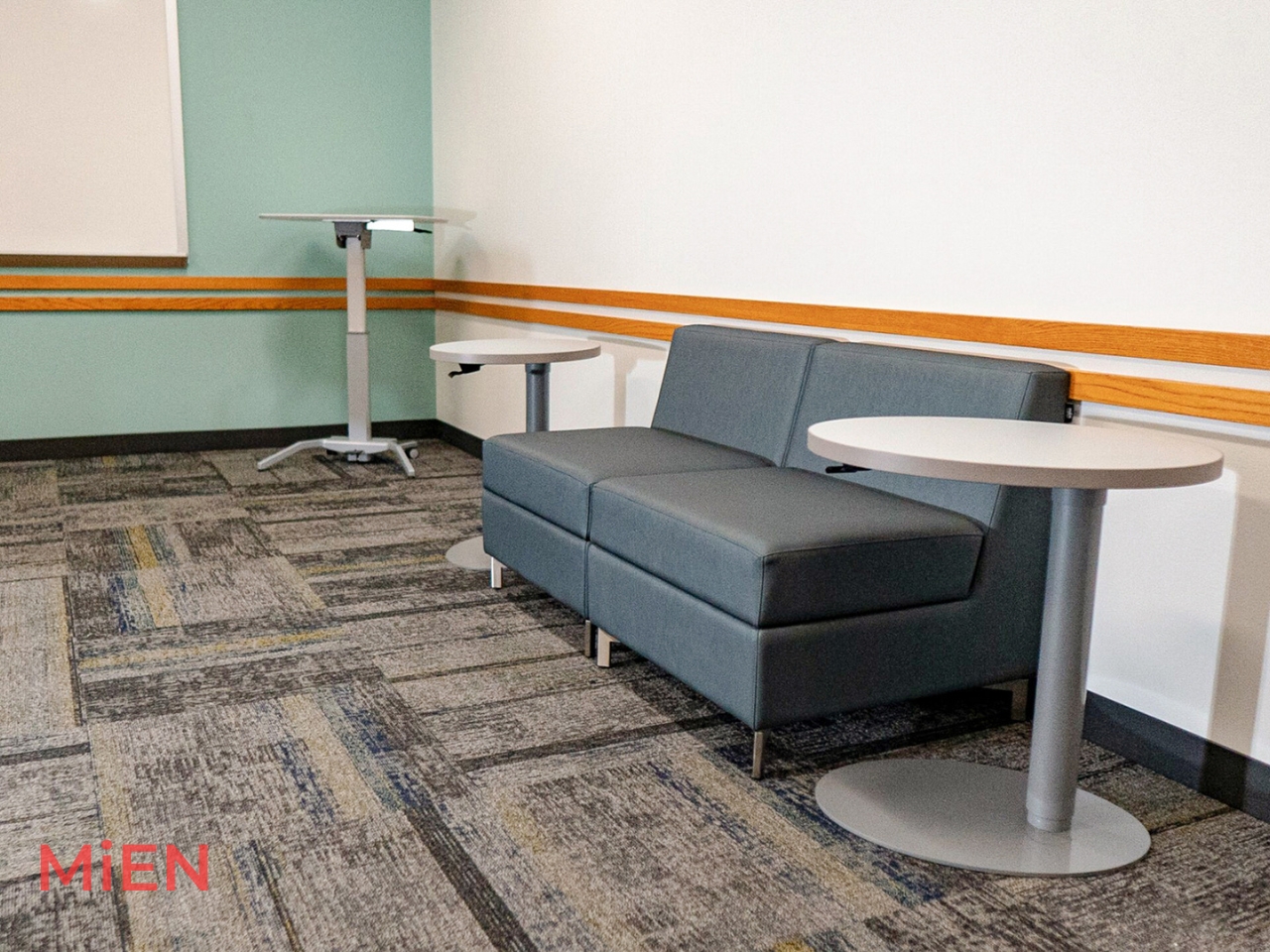
In the lobby of Church Hall at the University of Minnesota, Ideal added modular lounge furniture in neutral colors, with spacious, comfortable seats and ample side tables for laptops and notebooks. Furniture that is sensible yet sophisticated creates an atmosphere of prestige and excellence, elevating the college’s focus on science and academia.
With courses, student organizations, and events that change from term to term, modern college campuses should include spaces that can serve multiple purposes. These multi-use spaces should be simple, yet flexible, ensuring they are able to support the growth and evolution of the university’s needs.
UMN has several spaces on campus that aren’t discipline-specific, including Ford Hall, a collaborative learning hub that accommodates a variety of classes and events. This facility features “pop-in” classrooms which are used by educators, staff, student groups, and individuals. All furniture in these classrooms has casters, allowing the space to be customized to fit nearly any group or activity.
Transforming college spaces is about more than making a space that looks nice––it’s about upgrading spaces to adapt to the changing needs of students and educators. Focusing on these essential features can help institutions reimagine their environments to foster engagement and collaboration, promote student wellbeing, and inspire success.
Reach out to a MiEN representative today to learn more about how our innovative furniture can transform your university’s learning spaces!