

Designing Inclusive Esports Spaces Where All Students Can Thrive
In athletic sports, teams are traditionally categorized by physical ability, gender, and age. But scholastic esports changes the game by breaking down these barriers and welcoming students of all abilities to compete on a level playing field. For students who have physical disabilities, sensory processing challenges, or who are neurodivergent, esports offers an inclusive pathway to becoming part of a team and connecting with peers through a shared interest and goal. In order to create an esports program that meets the needs of diverse team members, esports spaces must be intentionally designed with inclusivity in mind.
In this post, we'll take a look at:
Why Accessibility Matters in Esports Spaces
As a team-based extracurricular that relies on skill and competition yet is welcoming to all, esports thrives in the space between traditional sports teams and after-school clubs. Regardless of their physical ability or social adeptness, students often find that the world of online gaming meets them where they are.
Typically, the only requirement to join an esports team is an interest in esports and a commitment to being a team player. Students who may never have found a place on a traditional sports team can become key players, captains, and managers on an esports team. Even students with social anxiety or other social challenges can find enjoyment and community in their school’s esports program.
Prioritizing accessibility in esports spaces is just the first step in breaking down the inequitable barriers to entry that some students might face. Often, marginalized students face persistent challenges when trying to participate in extracurricular activities, including discrimination and harassment. When it comes to esports, students in these marginalized groups may also lack representative role models, gaming community, and equipment.
Intentional diversity and inclusion efforts are essential to designing and maintaining accessible esports spaces—especially for marginalized students who may face systemic barriers to participation. These practices not only foster equity, but also enhance the overall experience, enjoyment, and sense of belonging for every player.


Designing for Physical Accessibility
Creating a truly inclusive esports environment means going beyond participation and designing spaces that prioritize comfort, safety, and equity for all students. For instance, students with physical disabilities need the flexibility to personalize their setup for maximum comfort during gameplay.
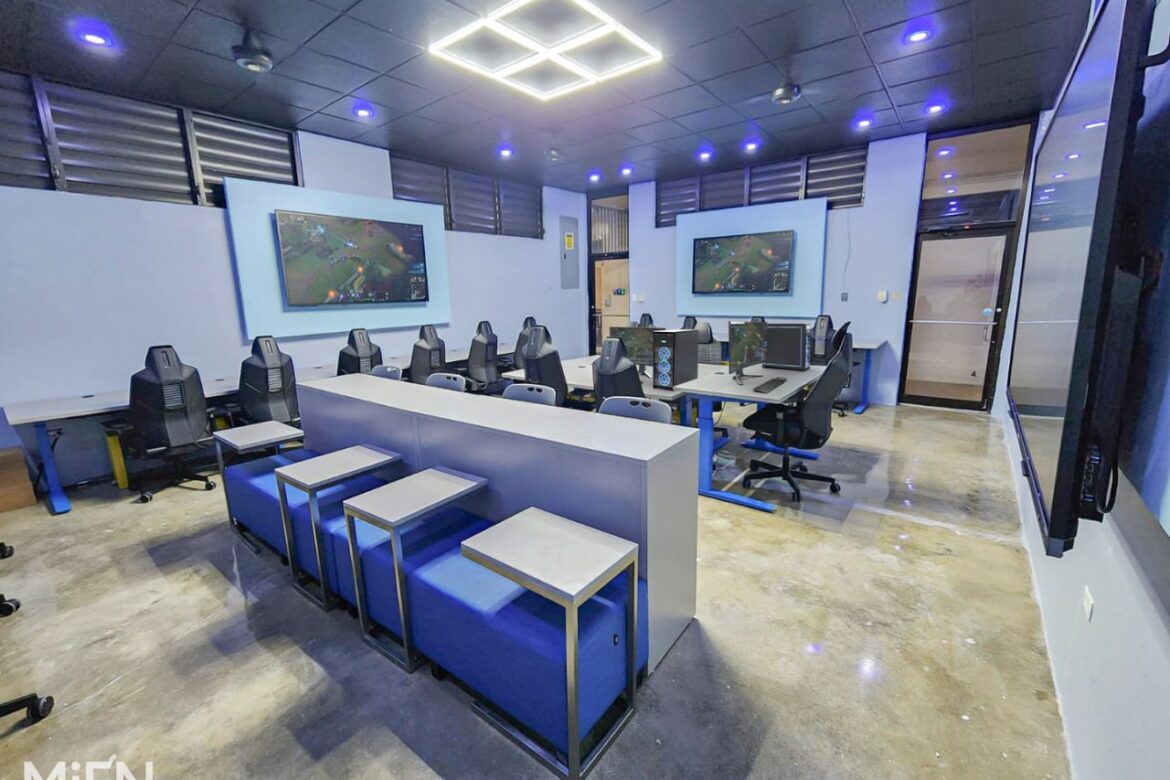
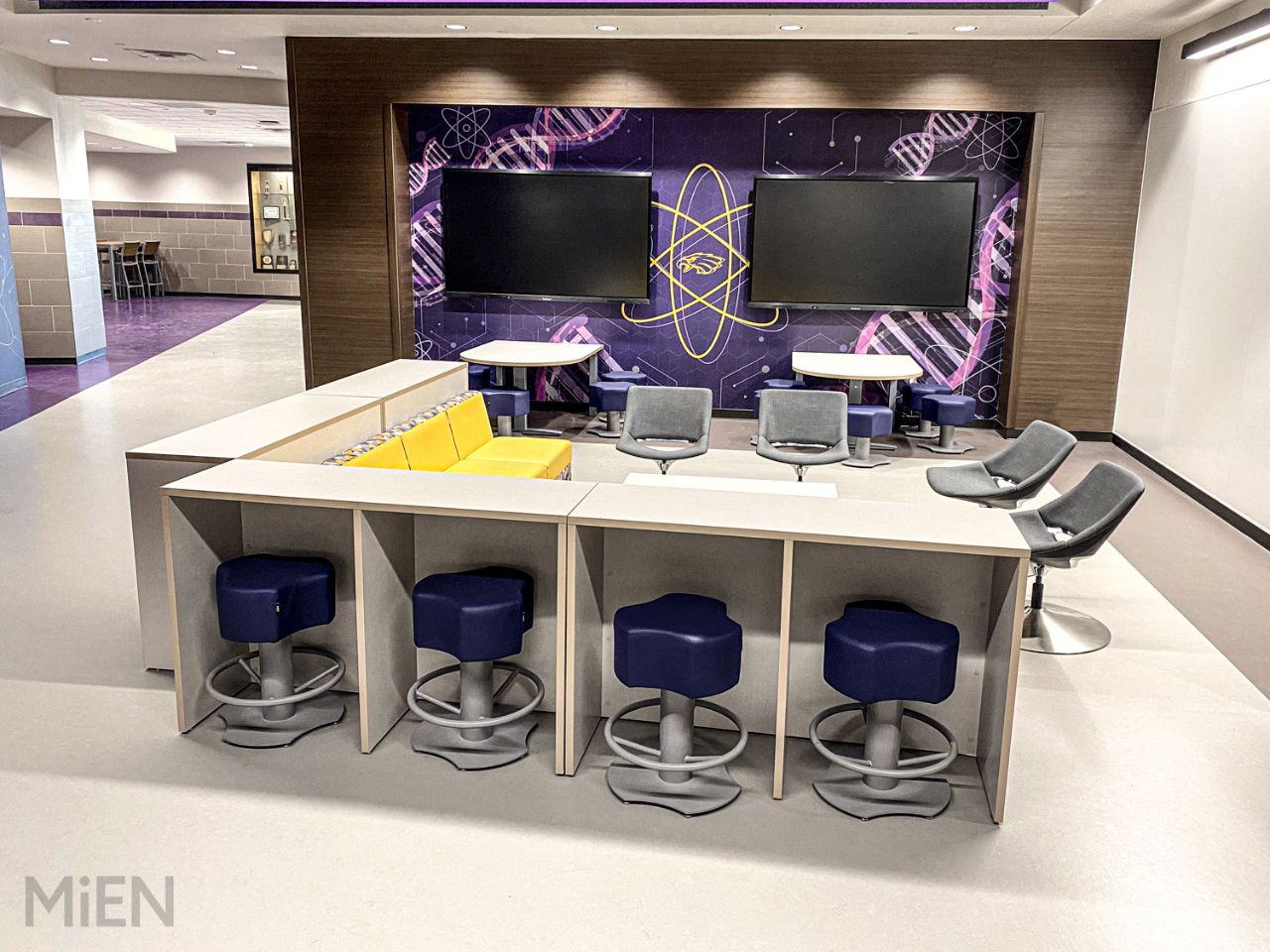
Esports spaces should be outfitted with adjustable-height tables and ergonomic chairs to accommodate students in wheelchairs or with other mobility needs. Additionally, choosing mobile seating and tables promotes adaptability and comfort, allowing students to shift their physical positions, rotate to interact with teammates, or move closer to screens when needed. For some players, comfortable lounge seating provides a more relaxed seating area when they need a break from upright gaming chairs, helping to reduce fatigue and avoid pain over the course of a tournament.
In a physically inclusive and accessible esports space, students are empowered to make choices about their comfort––deciding how they sit, stand, and play––giving them more mental space to focus on teamwork and gameplay.
Supporting Sensory Needs
Video games are inherently a high-stimulation activity, so it’s important for esports environments to be particularly considerate of students with sensory processing needs. Sound, room lighting and temperature are all important factors of a sensory-friendly esports space.
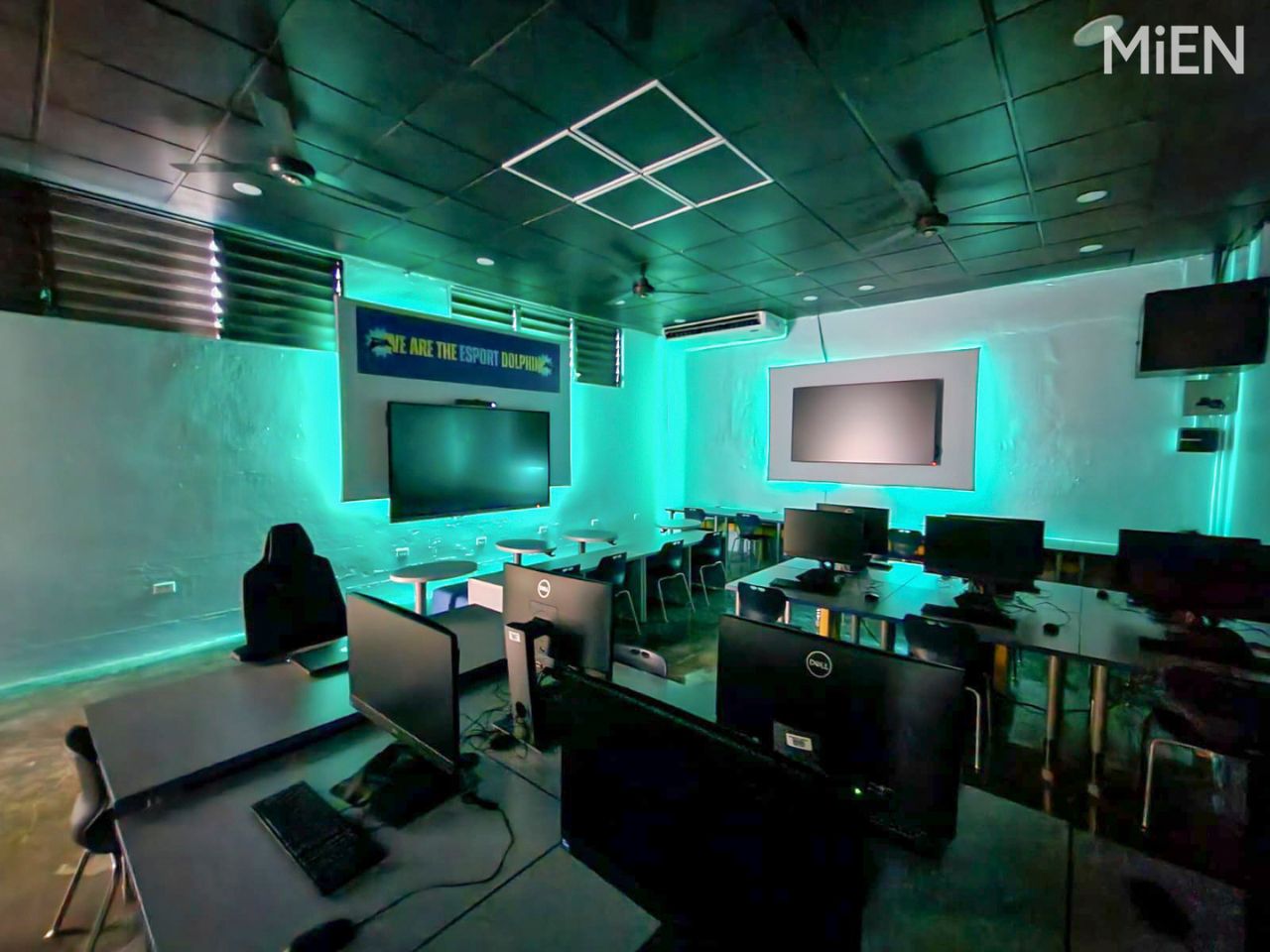
Over-the-ear headphones help reduce background noise and allow players to stay immersed in the game without becoming overwhelmed by their surroundings. Flexible lighting options—such as the ability to toggle off bright or flashing RGB lights on gaming equipment—can make a huge difference for students sensitive to light. These details may seem small, but they are essential for ensuring students can stay focused, regulated, and engaged.
Furthermore, some sensory-friendly design features improve the experience for everyone on the team. Thoughtful lighting can help reduce eye strain, while a well-ventilated room can help prevent overheating of gaming equipment. Considering all of the sensory elements within an esports space is key to designing an environment that every student can enjoy and thrive in.
Building Belonging Through Design
An accessible esports space helps meet students’ basic needs, but it also serves as a reminder to every student that they belong. When we design esports spaces that reflect a commitment to equity and inclusivity, we invite students from all backgrounds and abilities to show up, compete, and connect as their authentic selves.
If you’re ready to create an inclusive esports program, check out our tips for designing an esports space and key considerations for creating accessible classrooms for students with special needs. Then, reach out to MiEN to start building an accessible esports environment where all your students can thrive!