

Inclusive Office Furniture Design: Creating Workplaces Where Everyone Thrives
The modern office is no longer a sea of matching cubicles. Teams blend remote and on-site days, and every person works in a different way. Inclusive office furniture design answers this change. Inclusive furniture plays a vital role in modern work environments by promoting accessibility, diversity, and well-being for all employees. By choosing flexible desks, supportive chairs, and work pods, companies give all staff the tools they need to focus, move, and collaborate, positively impacting diverse work environments. With help from MiEN’s design support team, leaders can turn any space, large or small, into a workplace where comfort, fairness, and productivity grow together. This approach is designed to enhance inclusivity for everyone in the office.
In this post, we'll take a look at:

Why Inclusivity Matters in Modern Offices
Hybrid schedules have changed the purpose of the office. When people leave home to work onsite, they expect spaces that feel welcoming and useful right away. Inclusive office furniture design meets this need in three clear ways:
- Better comfort, less stress
Adjustable chairs, sit-stand desks, and soft-seated lounge areas reduce strain and help staff stay fresh through the day. Studies show that workers feel less exhaustion and more focus when they can move and sit in ways that suit their bodies. This approach supports not just physical comfort but also overall well being, addressing the holistic needs of employees. - Stronger teamwork
Mobile furniture let teams gather, share ideas, and then break apart for quiet work, all without waiting on a room booking. This quick change keeps projects moving and encourages equal voice in meetings. Flexible furniture also allows the workspace to adapt to the unique needs of each team member, ensuring everyone can participate fully. - Higher retention and savings
Employees who see their needs met are more likely to stay. Flexible, re-usable furniture also costs less over time because it adapts to new layouts instead of ending up in storage. When unique needs are addressed, employees feel valued, which further boosts loyalty and satisfaction.
Inclusive design is not a trend; it is now the baseline for a workplace that attracts talent, supports success, and enhances productivity.
The Five Pillars of Inclusive Office Furniture Design
1. Ergonomic Support for Every Body
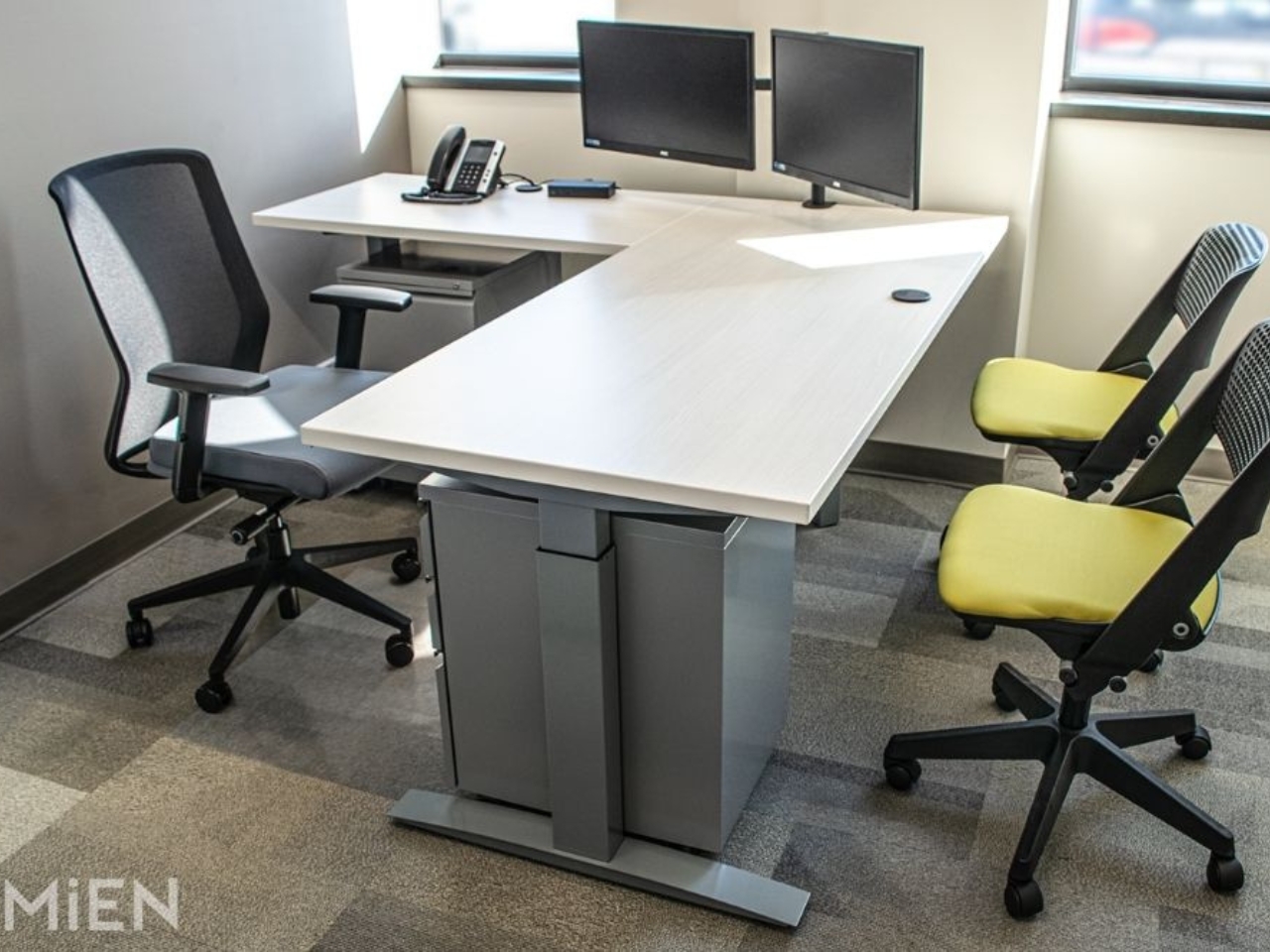
Comfort starts with the right fit, especially when chairs offer key features like adjustable lumbar support. Chairs with adjustable seat depth, lumbar pads, arm heights, and seat height let users fine-tune support for ergonomic comfort. Sit-stand desks and perching stools add easy posture changes, which boosts blood flow and focus. Ergonomic furniture that accommodates different body types ensures inclusivity and comfort for everyone. These features collectively support the physical health of all employees.
2. Adaptability and Modularity
Work shifts during the day. Adaptable furniture solutions help address varying needs in the office, ensuring comfort and accessibility for everyone.
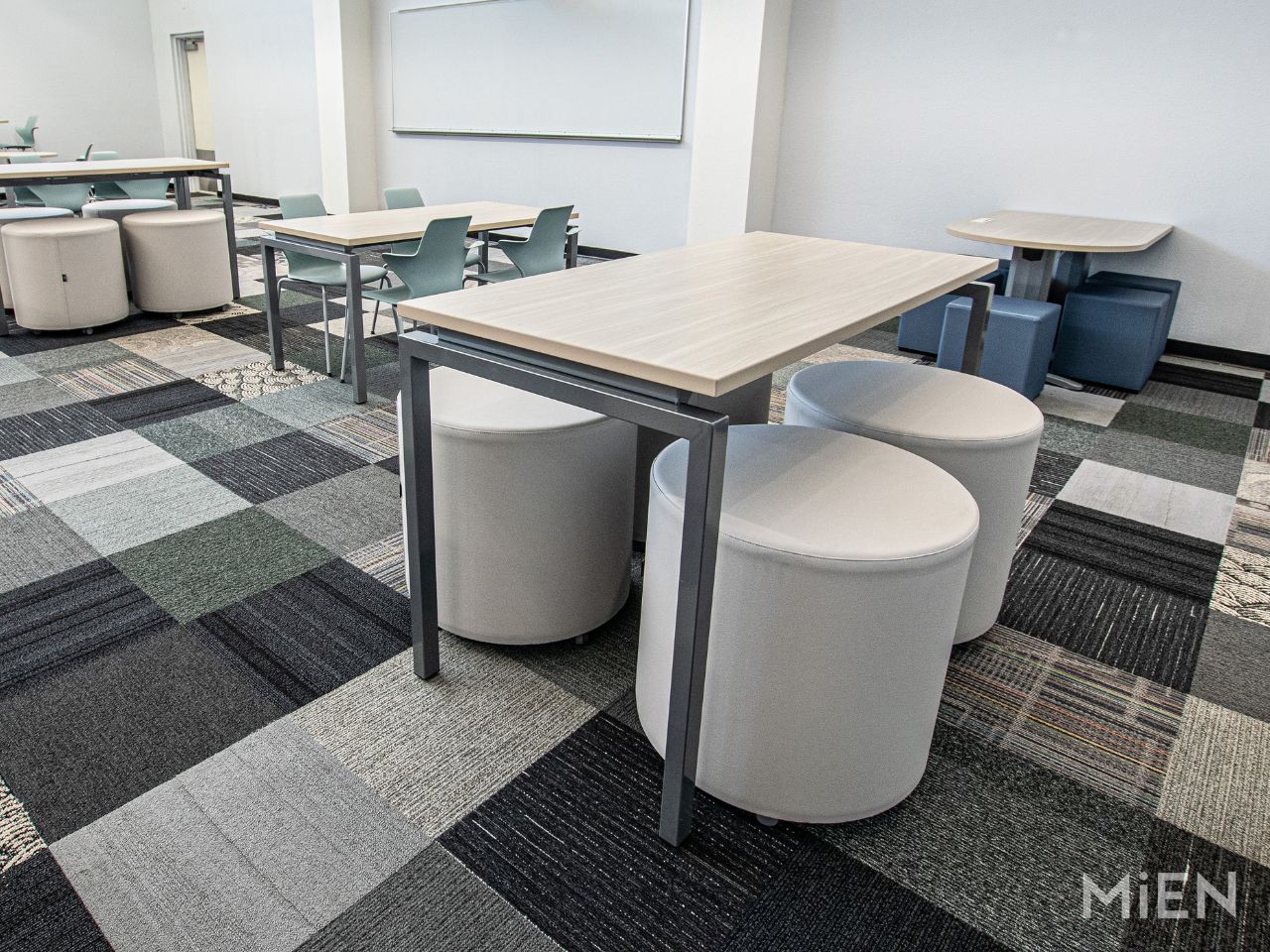
Mobile tables, fold-out panels, and modular lounge blocks move with it, allowing employees to configure spaces according to their individual preferences.
A group can create a quick meeting zone in minutes, then reset the area for quiet calls without tools or downtime, making it easy to create versatile spaces.
This adaptability empowers employees to personalize their workspaces, fostering a sense of ownership and well-being.
3. Accessibility and Universal Design
Wide pathways, level thresholds, and height-balanced surfaces welcome wheelchair users and others with mobility needs, while also providing space to accommodate assistive devices such as walkers or specialized chairs. Soft lighting, acoustic panels, and calm color palettes reduce sensory strain for neurodiverse staff.
Incorporating these accessibility features aligns with the standards set by the disabilities act, ensuring that office design is both inclusive and legally compliant. Accessible office environments should also consider the needs of employees who use screen readers and other assistive technologies to promote full participation for everyone.
4. Collaboration and Community Spaces
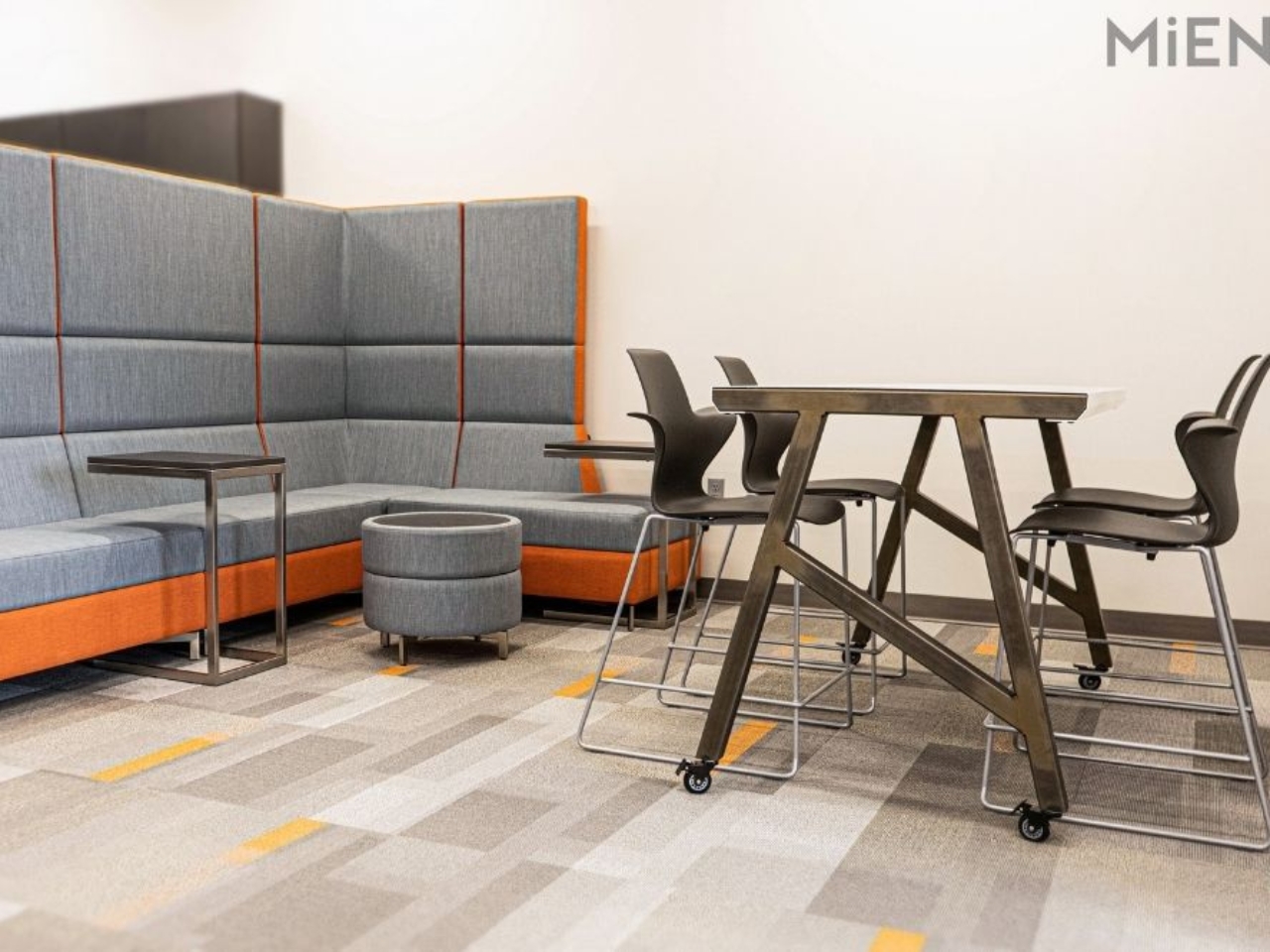
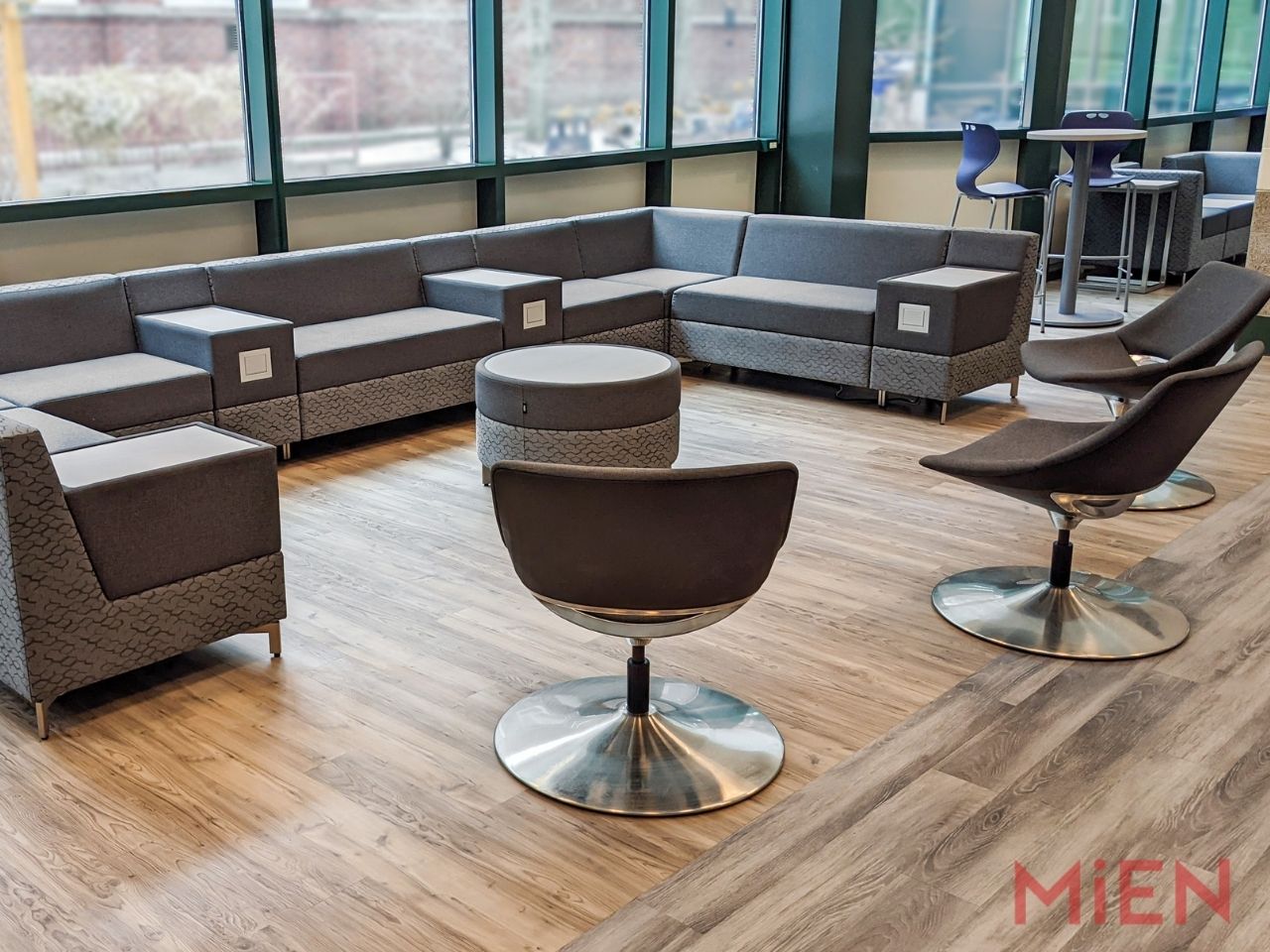
Community hubs blend open seating, power-ready tables, and dedicated meeting rooms that serve as important collaborative spaces. Teams brainstorm in comfort, often relaxing in lounge chairs, then step into a privacy pod to record a clear video call, no need to hunt for a spare room. Breakout spaces within these hubs foster informal discussions, socialization, and relaxation, supporting overall employee well-being.
5. Sustainable & Circular Choices
People also care about the planet. Low-VOC finishes, recycled materials, and take-back programs cut carbon and waste. Modular furniture can be moved or reused, saving both money and resources during future remodels.
Designing an Inclusive Workplace with MiEN
Creating a people-first office is simpler when you follow a clear path and lean on expert support. The goal is to design an inclusive workspace that promotes diversity, accessibility, and adaptability for all team members.
- Assess staff needs: Survey teams about tasks, comfort issues, and preferred ways of working. Note requests for quiet zones, height-flexible desks, or social hubs.
- Map activity zones: Divide the floor plan into focus, collaboration, lounge, and recharge areas. These zones provide employees with dedicated spaces for concentration, teamwork, relaxation, and rejuvenation. This visual guide keeps every need in view as you choose furniture.
- Select smart furnishings: With MiEN’s design support, match each zone to ergonomic chairs, modular tables, or workstations that fit your goals, budget, and timeline. Choose furnishings that support movement, such as adjustable desks and flexible seating, to help employees stay active and comfortable throughout the workday.
- Prototype and adjust: Pilot one pod cluster or mobile lounge setup. Gather feedback after two weeks and tweak layouts or settings until comfort scores rise.
- Scale and track results: Roll proven solutions across the space. Monitor retention, satisfaction, and space use to spot new gaps and plan future upgrades.
When moving step by step, and drawing on MiEN’s product range and planning tools, you can build an office that welcomes everyone and adapts as your team grows.
Product Spotlights: Inclusive Solutions from MiEN
- ELV8 Table: Offers sit-2-stand options and built-in power, so seated and standing users share ideas without cable clutter. Standing desks are also available as ergonomic support options to enhance comfort for all users.
- Levi Adjustable Task Chair: Features a 360° motion base and quick height lever, adding healthy movement and fitting a wide range of body sizes. This ergonomic chair is designed to enhance comfort, promote back health, and support muscle activation as a complement to traditional office chairs.
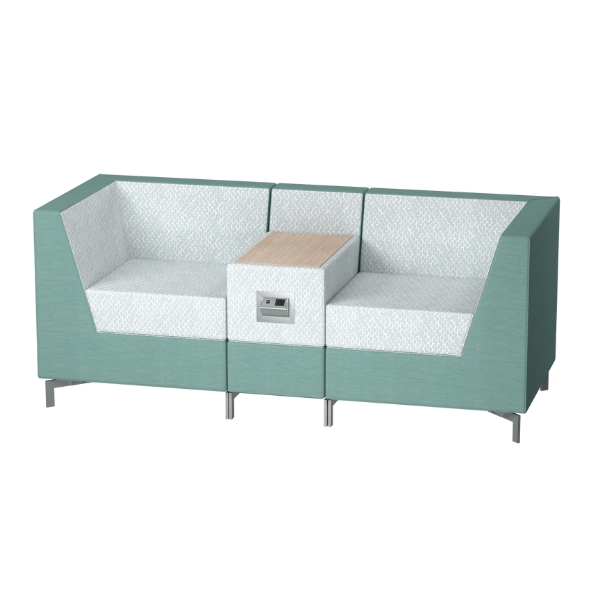
- Chameleon Lounge™: Uses lightweight, quick connect set-ups, that let teams build and rebuild zones in seconds, no tools needed. Combine with RKR Adjustable stools to offer movement-friendly seating options that promote physical activity and stress relief in inclusive workspaces.
- Office Pods: Provide level entry, a roomy interior, and Class-A acoustic panels for private, accessible space during calls and deep-focus tasks.
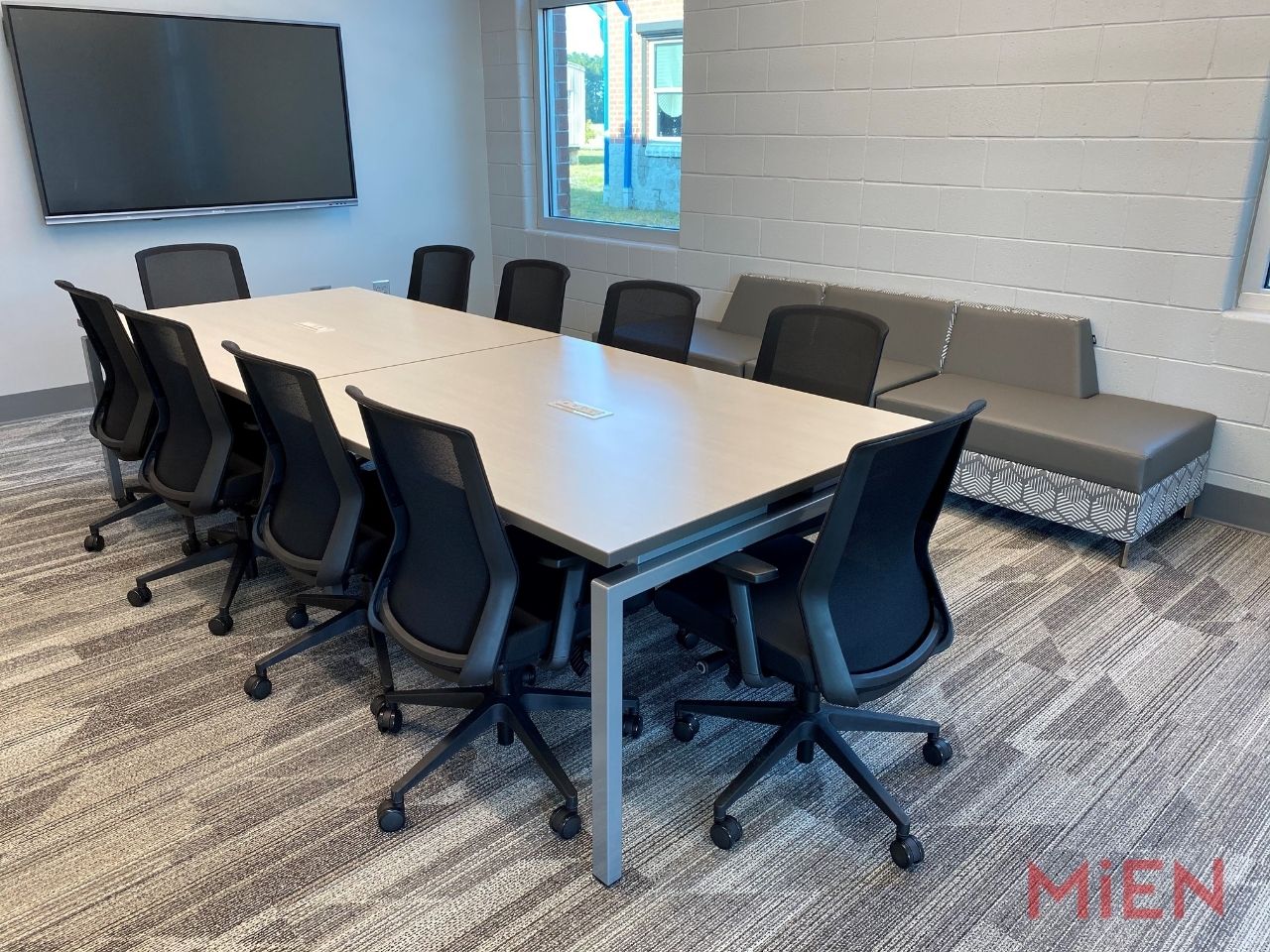
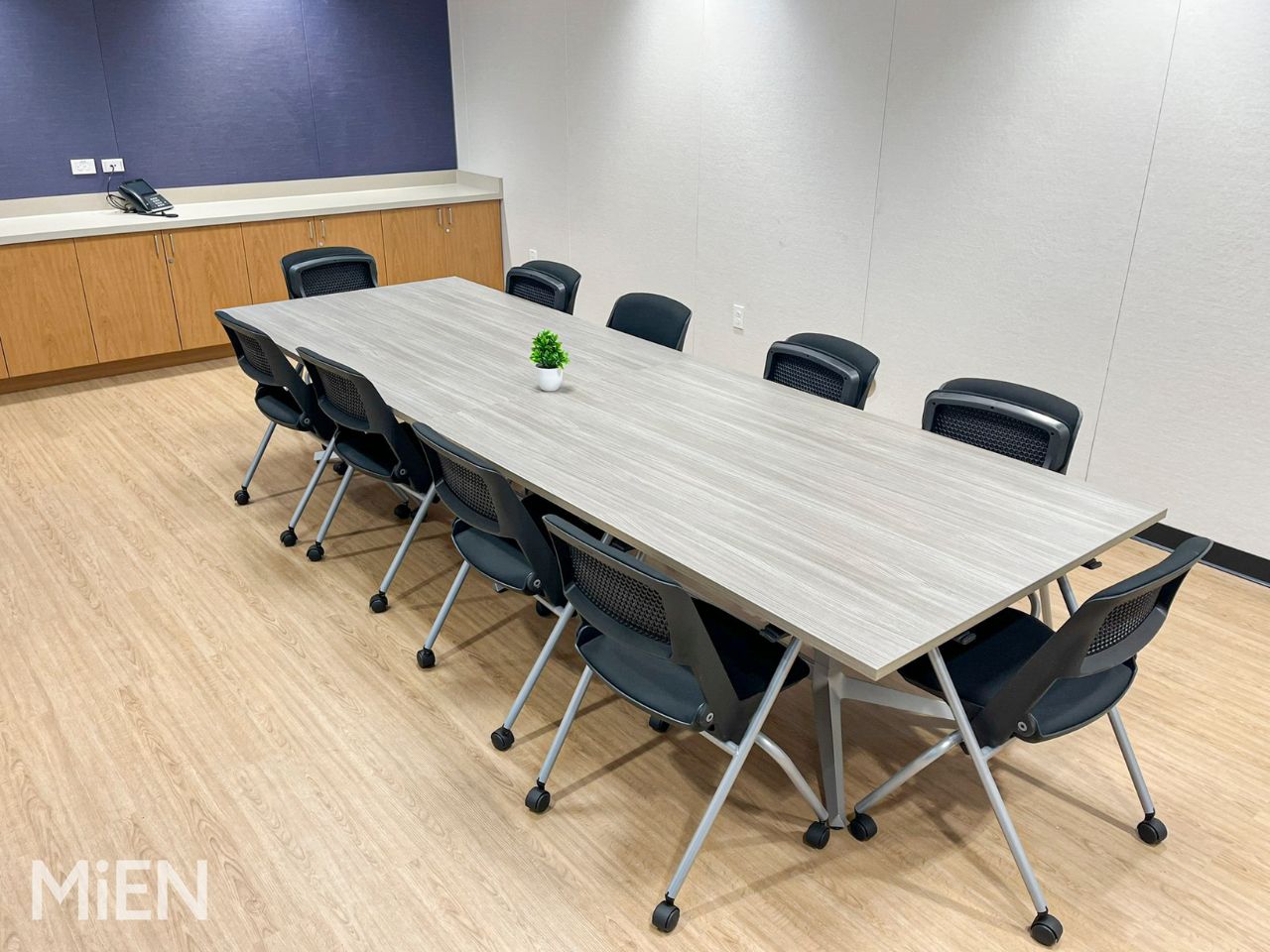
- Connect Collaboration Table: Delivers a wide span and durable surface that supports large projects and mixed heights for group work.



Business Payoffs of Inclusive Office Furniture
Inclusive furniture design is the foundation for these business payoffs:
- Higher productivity: Good posture, clear sight lines, and lower noise mean workers stay focused and finish tasks faster. Inclusive workspaces further support productivity by accommodating diverse needs and work styles.
- Better well-being: Ergonomic support reduces aches and stress, cutting sick days and boosting morale. Active design features also promote employee health, enhancing overall well-being.
- Stronger talent retention: A workplace that meets diverse needs shows care, making employees more likely to stay. Inclusive workspaces foster a sense of belonging and support for all employees.
- Lower long-term costs: Modular pods install in a day and can be moved during future remodels, avoiding rebuild fees and drywall waste. This flexible approach offers significant savings compared to traditional workstations.
- Sustainability gains: Low-VOC, recycled materials and take-back programs help meet ESG goals and appeal to eco-minded clients.
Building Workplaces Where Everyone Thrives
Building workplaces where everyone thrives starts with a commitment to inclusive design and a focus on creating an equitable workplace. By prioritizing employee well being and thoughtfully incorporating elements that promote inclusivity, organizations can shape a positive and supportive work environment for all. Inclusive office design, modular furniture, and ergonomic furniture solutions work together to address the diverse needs of today’s workforce, ensuring that every employee has the tools and resources they need to succeed.
When companies foster collaboration, creativity, and innovation through inclusive environments, they see increased productivity and higher job satisfaction. Ultimately, creating a workplace where everyone thrives requires a holistic approach. One that considers the physical, emotional, and mental well being of all employees, and places inclusivity, equity, and employee well being at the center of office design. When embracing these principles, organizations can build workplaces that not only attract top talent but also empower every individual to reach their full potential.
Ready to begin? Reach out to MiEN’s team for a free layout consultation and discover how simple it is to build a workplace where every person thrives.