

5 Creative Ways to Bring Color Into a Space
Color influences mindset and behavior, which both greatly impact an individual’s productivity and overall wellbeing. From educational environments to offices, the spaces we occupy for nearly a third of our waking hours should be engaging, inspiring, and functional. Research in color psychology shows that being exposed to different hues influences different behaviors, mood, and perceptions. For instance, blue fosters relaxation and focus, red increases alertness, and yellow sparks creativity. Each color evokes unique thoughts and feelings, affecting how we engage with the world. In fact, the influence of color is so powerful that entire organizations, such as Pantone, are dedicated to analyzing and forecasting color trends.
In this post, we'll take a look at:
At MiEN we’re focused on creating vibrant and dynamic learning and workplace environments, so we know how important color choices are to create an engaging and comfortable space.
Here are five creative ways to bring color into a space:
1. Add a Fresh Coat of Paint - Think Beyond the Walls
Painting is one of the most affordable yet impactful ways to refresh a space and introduce color. Although repainting the walls is the obvious choice, consider more creative applications for a fresh coat of paint. Painting built-in cabinets, ceiling accents, window trims, and doorways can add unexpected pops of color.
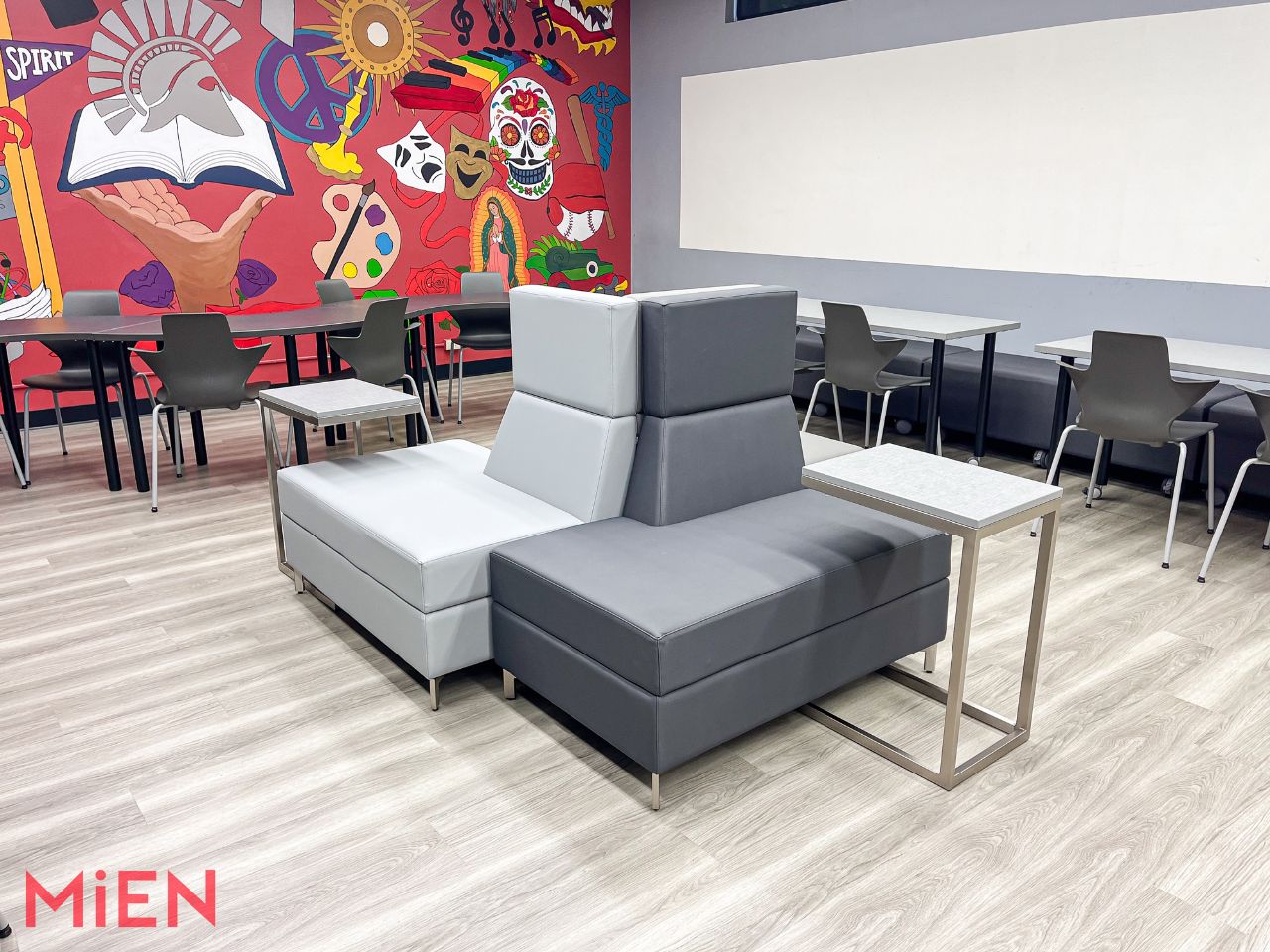
Alternatively, add a colorful mural to any space to add interest and vibrance to your design. Whether professionally-designed or created by students or employees, murals can transform a surface into a visually-inspiring work of art that fosters creativity and engagement.
2. Choose Colorful Fabrics and Surface Materials for Furniture
Furniture plays a key role in shaping not only the functionality of a space, but also its comfort and overall aesthetic. While neutral furnishings provide great flexibility, don’t be afraid to embrace bold and colorful materials for the furniture you bring into educational and office settings. Even if a space has a neutral base, incorporating color through furniture choices cultivates a balanced and engaging atmosphere.
Selecting upholstery in vibrant hues, whimsical patterns, and interesting textures can add depth and energy to a room. Additionally, colorful accents on tables, desks, or storage furniture can create visual appeal and cultivate a more playful environment.
3. Incorporate Nature with Biophilic Design
Nature-inspired design elements add organic warmth and soothing color into a space. Biophilic design, which integrates nature into buildings through various design features, benefits individuals who use the space by creating an environment that reduces stress, promotes productivity, and supports health and wellbeing.
Incorporating live or faux plants is a simple and effective way to introduce natural elements into educational and office settings. Our GROW series of educational furniture, which features grass-like turf, provides a unique sensory experience while bringing a natural touch to the space. Furthermore, woodgrain, stone, and concrete finishes can bring even more warmth and nature into the environment, enhancing the biophilic qualities of the environment.

4. Use Flooring to Create a Colorful Foundation
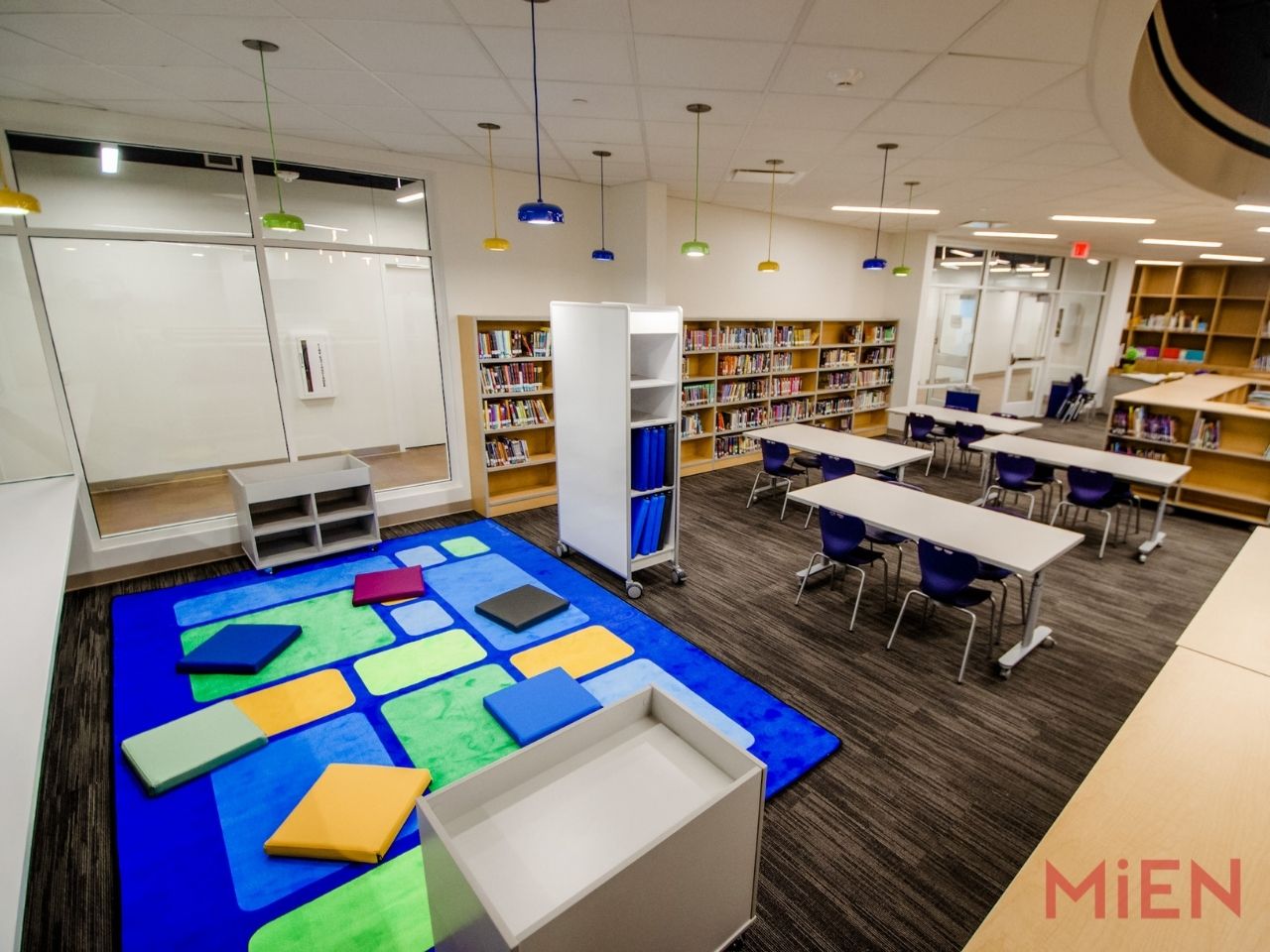
Flooring choices are often overlooked as an opportunity to add color, yet they significantly impact the aesthetic of a room. Bold carpet patterns, colorful tiles, or even vibrant flecks in epoxy floors can transform a dull space into a dynamic environment.
Colored flooring can serve a functional purpose, such as guiding individuals through hallways with designated pathways. Additionally, variations in flooring colors or patterns can define different zones within open spaces. If replacing the flooring isn’t in the scope of your project, consider using colorful area rugs, particularly in common spaces or lounge areas. Rugs not only introduce color, but also enhance comfort, creating cozy areas where students, educators, or employees can gather and relax.
5. Add Art to the Space
Art is a versatile way to incorporate color into educational and office environments. Wall art, painted murals, or interactive installations are all great options to add vibrance, personality, and inspiration to a space. All of these types of art can be used to enhance the overall aesthetic of the space, but they can also be functional.
For instance, wall art can be motivational or informative, which can improve the mood and behavior of students in educational environments. Furthermore, large-scale murals enable institutions to communicate values, educate the viewer, or provide signage in a visually-appealing way. Finally, interactive art installations engage individuals in creative ways, such as colorful floor markings that provide directional guidance, ceiling installations that encourage viewers to look up and engage with their surroundings, or decals that present an interactive activity, like hopscotch floor decals or a magnetic tic-tac-toe board.
Bring Color Into a Space
While function remains most important in educational and office space designs, color is also an essential factor in cultivating a positive and effective environment. By incorporating color in creative ways, you can create an environment that nurtures creativity, productivity, and engagement. Vibrant and colorful spaces benefit the individuals who use them each day, improving their mood, behavior, and overall wellbeing.
At MiEN, we live for color! Check out our past blogs about color trends and colorful environments we’ve designed for our customers. Then, contact a MiEN representative to explore how we can help you bring color into your design!