
Are You Standing Comfortably?
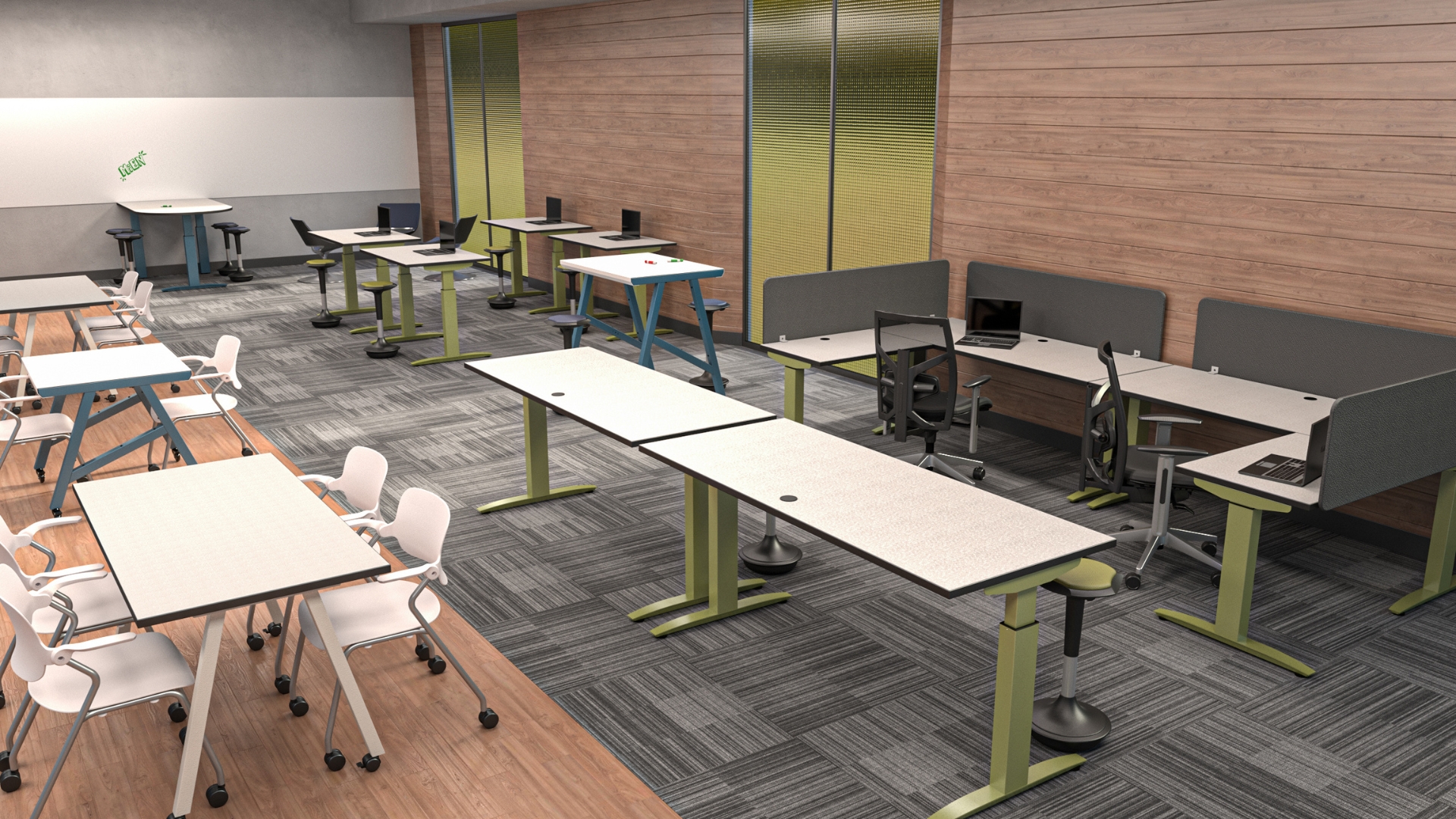
The way students learn is evolving, and so is the furniture that supports them. Sit-to-stand desks, once seen primarily in modern office environments, are now making their way into classrooms across the country. But how do these desks, designed with adult employees in mind, translate to younger learners? And how can educators ensure they’re used effectively to support student engagement, comfort, and long-term health?
This article takes a deeper look at how sit-to-stand desks are transforming classrooms, how their use compares to traditional office settings, and what educators can do to get the most out of these flexible furnishings.
In this post, we'll take a look at:
The Rise of Sit-to-Stand Desks in Education
Sit-to-stand desks have long been associated with office wellness initiatives aimed at combating the health risks of prolonged sitting. Research has shown that extended periods of sitting are linked to obesity, cardiovascular disease, and musculoskeletal discomfort. However, many of these risks begin long before adulthood. Today’s children spend much of their time seated, in class, at home doing homework, or using screens.
As schools rethink how classrooms are designed, many are turning to height-adjustable desks as a way to promote movement and improve focus. But unlike in an office, where one person manages their own workstation, a classroom involves multiple students, each with different needs, attention spans, and physical development stages. This makes implementation more complex, but also more rewarding when done right.
We previously explored the top three benefits of sit-to-stand desks in classrooms, highlighting improvements in focus, posture, and student engagement. This article builds on that foundation to offer deeper insights for educators looking to create more active learning environments.
Standing Still Isn’t the Goal, Movement Is
It’s important to remember that the objective isn’t to have students stand all day, but rather to create more opportunities for movement and posture changes. Studies have found that even light activity can significantly improve cognitive performance and classroom behavior. One report showed that children with access to standing desks were 12% more engaged than their seated peers, equivalent to gaining over seven additional minutes of focused learning per hour.
Not only does movement improve concentration, but it also supports physical health. Research shows that children who sit for extended periods are at greater risk for poor posture, reduced metabolic health, and even lower academic performance. Giving students the ability to stand and shift throughout the day can help reduce these risks while also supporting different learning styles.
From Corporate Desks to Classroom Tools
Although sit-to-stand desks originated in office spaces, their benefits in classrooms are just as compelling, if not more so. In an office, a standing desk serves one person who is likely self-regulating. In contrast, a classroom full of students requires structure, routine, and guidance. That’s why the successful implementation of sit-to-stand desks in schools depends on creating systems that support choice while maintaining classroom order.
Flexible classroom design has become a cornerstone of modern pedagogy. Sit-to-stand desks support this trend by allowing students to personalize their learning environment and manage their own comfort. When students have the autonomy to stand during group discussions, lectures, or independent work, they are more likely to stay alert and less likely to become distracted.
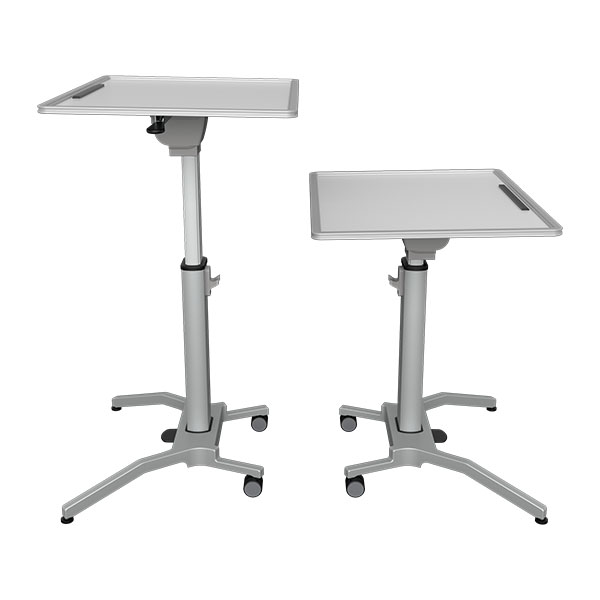
Educators also benefit from this flexibility. Teacher stations that incorporate adjustable height options, such as MiEN’s sit-to-stand teacher desks, allow instructors to adapt their posture throughout the day, support different teaching methods, and better engage with students around the room.


Setting the Stage for Success
To get the most out of sit-to-stand desks in schools, implementation matters. Here are a few key strategies:
Start with choice, not mandates: Let students decide when to sit or stand during appropriate moments. Encouraging, rather than requiring, movement ensures it feels natural and sustainable.
Teach posture and desk adjustment: Just as you would train staff to use new equipment in an office, take time to teach students how to adjust their desks for comfortable standing. A brief lesson on posture and height alignment can prevent discomfort and injuries.
Integrate into the classroom culture: Movement-friendly environments work best when they’re consistent. Consider using stand-up time during specific subjects, or offer regular check-ins where students can assess how they feel sitting versus standing.
Combine with supportive tools: Standing for long periods on hard flooring can lead to fatigue. This is where anti-fatigue mats come in. These soft, rubberized mats provide subtle cushioning that encourages micro-movements in the legs, improving circulation and reducing muscle strain. When paired with standing desks, they help both students and teachers remain comfortable throughout the day.
Beyond the Classroom
Although sit-to-stand desks are increasingly popular in K–12 settings, their benefits extend to other learning environments as well. Universities and colleges are beginning to incorporate flexible seating and adjustable desks in libraries, study spaces, and collaborative zones. These additions support the same goals: increased engagement, better focus, and healthier study habits.
Moreover, introducing sit-to-stand furniture in primary and secondary education helps prepare students for active lifestyles beyond school. By normalizing movement in learning environments, schools equip students with lifelong habits that can improve wellness and productivity well into adulthood.
Building a Healthier Learning Environment
Just as vibrant classrooms use color and flexible furniture to support different learning styles, sit-to-stand desks offer an adaptable foundation for active engagement. When implemented thoughtfully, they reduce sedentary time, promote focus, and give students a greater sense of ownership over their learning environment.
Adding elements like anti-fatigue matting ensures that movement feels good, not just possible. These small but significant ergonomic details support student comfort while reinforcing a commitment to health and well-being in education.
Schools seeking to create dynamic and inclusive spaces can begin with simple adjustments. Whether through pilot programs or full-room redesigns, incorporating movement-friendly furniture helps transform classrooms into environments that support both body and mind. With tools like adjustable desks and supportive flooring, educators can confidently ask their students, are you standing comfortably?