
Universal Design Principles for Schools
Every student learns in a different way. Universal design principles for schools set clear rules to make classrooms work for all learners. These principles use flexible furniture, varied materials, and thoughtful layouts to support students with and without disabilities. Addressing the needs of both physical spaces and learning spaces, universal design helps create environments that enhance academic performance and promote student success.
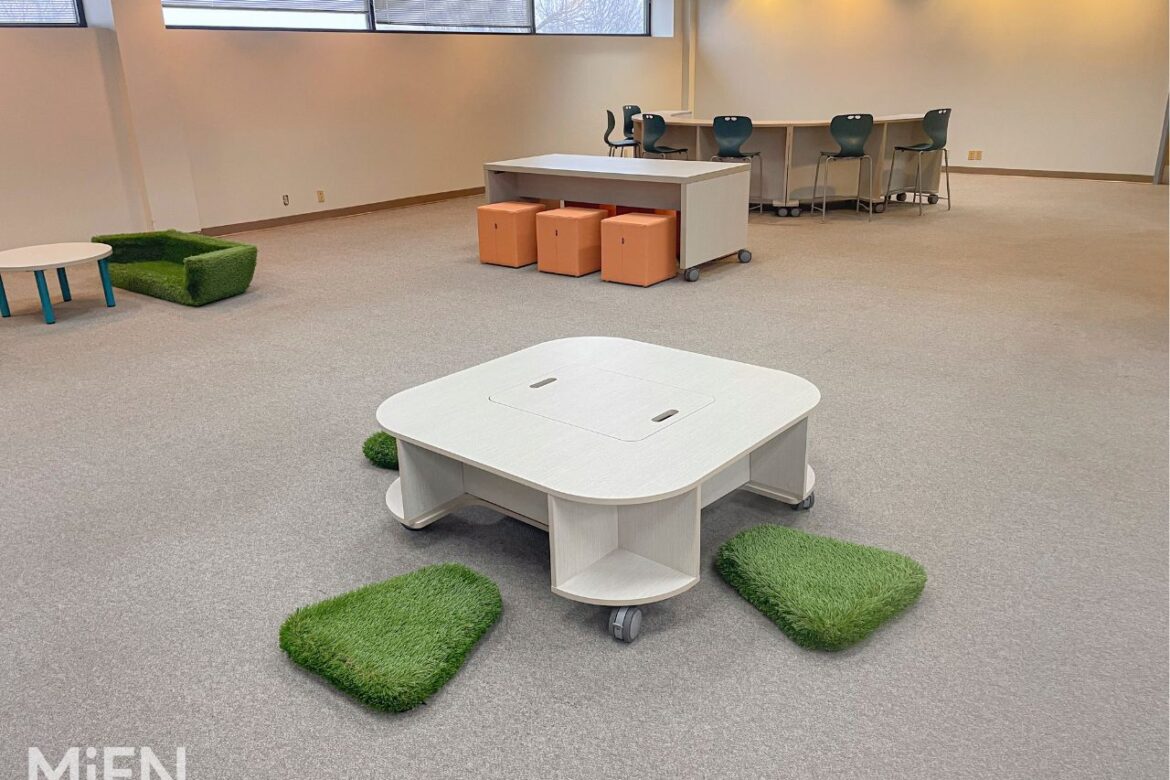
Inclusive learning zones boost engagement and focus. Creating a sense of belonging in the room is essential for inclusive learning, as it encourages students to feel comfortable and valued. Schools can add quiet areas with soft seating on casters, active learning corners with adjustable desks, and collaboration hubs with mobile tables. MiEN’s experts guide each step, from planning sensory spaces to selecting ergonomic furniture. Their solutions help schools build environments that welcome neurodiverse learners, foster peer interaction, and empower educators.
What Is Universal Design for Learning (UDL)?
Universal Design for Learning (UDL) offers a framework to reach every student. UDL rests on three simple principles:
- Representation. Present information in multiple formats. Use text, images, and audio so students pick the format that works best.
- Action & Expression. Let students show what they know in different ways. Provide options like written reports, presentations, or hands-on projects.
- Engagement. Offer choices to spark interest and motivation. Include quiet work zones, group tables, and sensory tools to support focus and collaboration.
UDL encourages the use of diverse and accessible course materials to support all learners, ensuring that students with different needs can access and engage with the content. Focusing on these principles, UDL supports teaching and learning by aligning instruction with clear learning goals and flexible course design, making it easier to adapt to the needs of each course and student.
The UDL framework aims to remove barriers in learning. Schools use this approach to make lessons more flexible and to help neurodiverse students, those with ADHD, and learners with sensory needs. UDL also helps teachers spot gaps and adjust their methods in real time.
Why Universal Design Matters in School Environments
Universal design principles for schools drive better learning for every student. The physical space and architecture of the environment, including factors like air quality, play a crucial role in supporting student learning and academic performance. Flexible seating and varied materials boost focus. Research shows stand-sit desks improve working memory and engagement in K-12 settings. Schools that add quiet zones report fewer behavior disruptions and higher on-task rates.
Inclusive learning zones help neurodiverse and ADHD learners feel safe. When students choose a calm corner or active learning area, they manage their own needs. This choice builds confidence and supports self-regulation with minimal teacher intervention.
Collaboration hubs and makerspaces foster social skills and creativity. Mobile tables and sensory tools invite peer interaction and hands-on projects. Teachers see stronger teamwork when they use UDL layouts that mix quiet spaces with group zones.
Working with special-education staff and families ensures design fits real needs. Stakeholder collaboration uncovers key insights on sensory triggers and mobility requirements. MiEN design support experts guide this process, combining data-driven planning with expert support. The benefit of universal design is that it creates an environment where the entire school community can thrive.


Key Universal Design Principles for Schools
Provide Multiple Means of Representation
Offer lessons in different formats to ensure access to information for all learners. Use large-print texts, captioned videos, and graphic organizers. Visual supports and clear signage help all learners, especially those with processing or attention challenges.
Provide Multiple Means of Action & Expression
Let students choose how to respond. Include adjustable desks, ergonomic seating, and mobile tables to support a variety of learning activities. Allow project options like posters, digital presentations, or models to match varied skills and strengths.
Provide Multiple Means of Engagement
Create spaces that spark interest and teamwork by providing areas where groups can work together, fostering engagement and collaboration. Set up collaboration hubs with movable furniture and whiteboard walls. Add quiet corners stocked with sensory tools like fidgets and noise-dampening panels for focused work.
These principles work together. Representation meets information needs. Action and expression respect movement and choice. Engagement builds motivation and social skills. Schools that use these guidelines make classrooms that welcome every student.
Applying Universal Design for Neurodiverse Learners
Tailor ADHD-Friendly Classrooms
Add clear visual cues like labeled bins and color-coded schedules. Offer personal learning spaces with adjustable desks and wiggle chairs. Allow brief movement breaks. These supports, along with technology tools, help students with ADHD manage focus and energy.
Support Autistic Students
Use structured routines and predictable layouts. Keep pathways wide and reduce clutter. Provide low-stimulus zones with soft seating and muted colors. Visual schedules and quiet corners help students with autism feel calm and ready to learn, and these supports also align with the requirements of the disabilities act.
Use Zoning Strategies
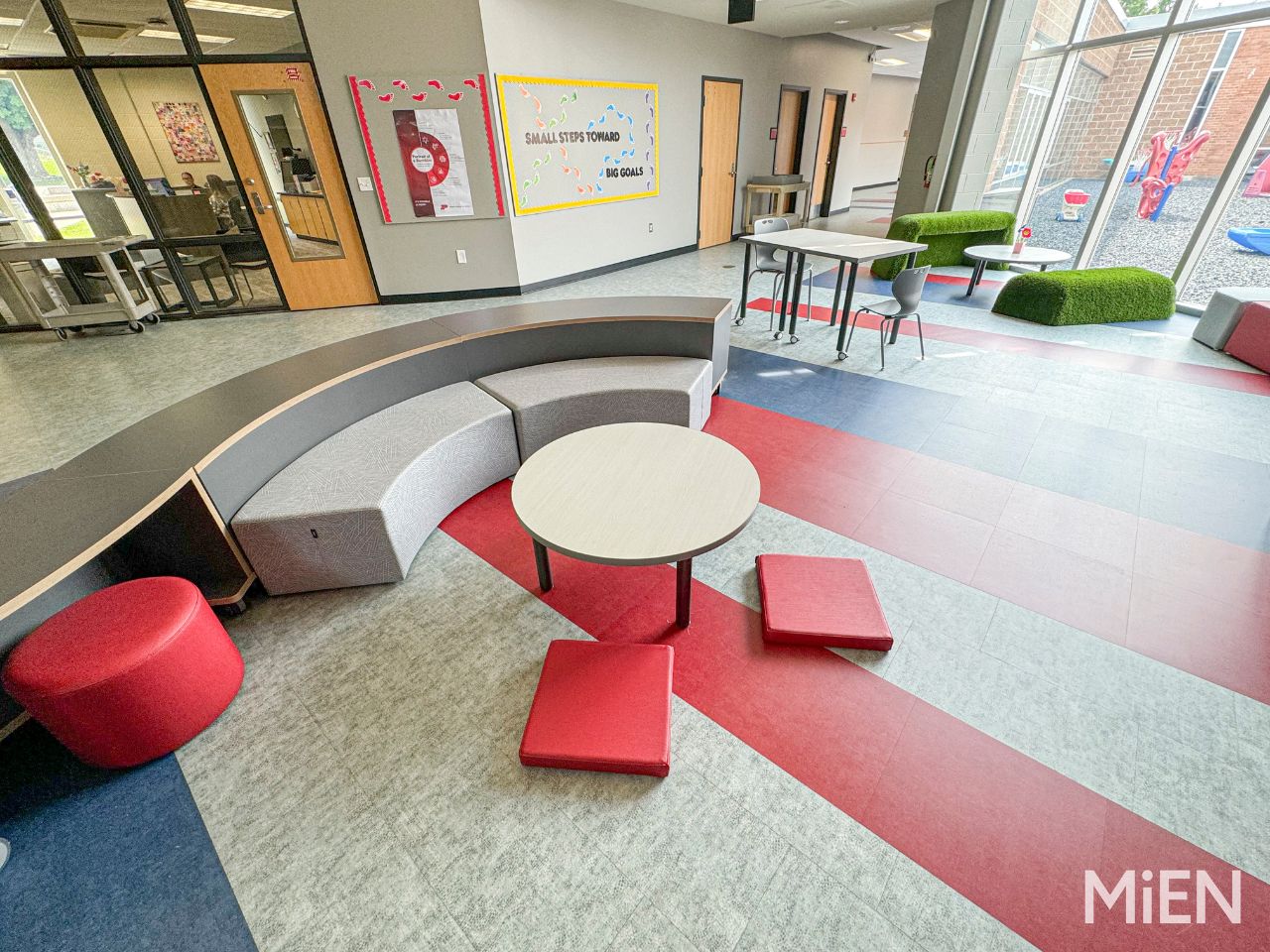
Let students choose spots that match their needs. Active learning corners boost engagement with sit-stand desks. Collaboration hubs invite peer work with mobile tables. Calming retreats offer sensory tools and gentle lighting. Zoning gives learners control, builds confidence, and ensures access to appropriate learning environments for all students.

Funding and Resources for Implementation
Federal and state grants help cover costs. Schools tap ESSA funds and IDEA grants to upgrade learning spaces. Private foundations and local businesses offer additional support. Ensuring institutional equity is crucial in this process, as fair allocation of funding and resources supports universal design and promotes inclusivity and diversity across educational spaces.
Reinvest budget savings in phased rollouts. Start with one zone, like a sensory corner, using cost-effective furniture packages. Track impact to justify further funding. MiEN’s project managers share budget templates and ROI data to guide decisions.
Partner with vendors for bulk discounts. MiEN’s network unlocks preferential pricing on adjustable desks, mobile tables, and acoustic panels. These partnerships reduce upfront costs and speed up installation.
Redesigning Learning Spaces for Neurodiverse Learners
MiEN’s white paper, Redesigning Learning Spaces for Neurodiverse Learners, outlines a step-by-step framework for creating inclusive classrooms. It highlights three core phases:
1. Discovery & Planning
- Conduct site audits and stakeholder interviews with special-education staff, therapists, and families.
- Map sensory needs and traffic flow to identify ideal locations for quiet retreats, collaboration hubs, and movement zones.
2. Design & Prototyping
- Develop modular layouts using soft seating pods, sit-stand desks, and mobile tables.
- Prototype sensory corners equipped with noise-dampening panels, weighted cushions, and fidget tools.
- Test color schemes and lighting to ensure low-stimulus environments.
3. Implementation & Evaluation
- Roll out phased furniture deliveries to stay on budget and minimize classroom disruption.
- Train educators in UDL methods via hands-on workshops.
- Measure outcomes with simple surveys and behavior tracking. In early trials, schools reported a 30% increase in on-task behavior and a 25% reduction in distraction incidents.
Following MiEN’s evidence-based approach, schools can tailor each space to real student needs, secure grant funding, and achieve measurable gains in engagement and focus. Download the full white paper for detailed layouts, budget templates, and grant-writing tips.


Action Steps for Educators and Administrators
- Audit Your Space. Walk through each classroom. Note areas for collaboration, focus, and sensory breaks.
- Gather Stakeholder Input. Interview teachers, special-education staff, students, and families. Record their priorities and challenges.
- Pilot a Zone. Start with one learning area, such as a quiet corner or active learning station. Track engagement, behavior, and feedback.
- Secure Funding. Apply for ESSA, IDEA, and local grants. Use MiEN’s templates to streamline applications and budget planning.
- Scale Phased Rollout. Expand UDL layouts across additional classrooms. Adjust designs based on pilot data and stakeholder feedback.
Universal design principles for schools empower every learner. They link clear presentation, flexible actions, and engaging environments. Schools that adopt these principles see better focus, higher collaboration, and fewer behavior disruptions.
MiEN stands ready to guide your project. Our experts handle planning, grant support, and furniture selection. Contact MiEN today for a custom assessment. Build inclusive learning spaces that welcome all students and support your educators.