5 Key Considerations for Designing Student-Centered Learning Environments: Promote Collaboration, Connection, and Engagement
- June 29, 2025
- MiEN

Learning spaces serve as more than just physical environments––they play an important part in shaping student engagement, collaboration, and social development. When designed thoughtfully, educational environments can support the diverse needs of learners while also fostering a sense of belonging and connection.
In this post, we'll take a look at:
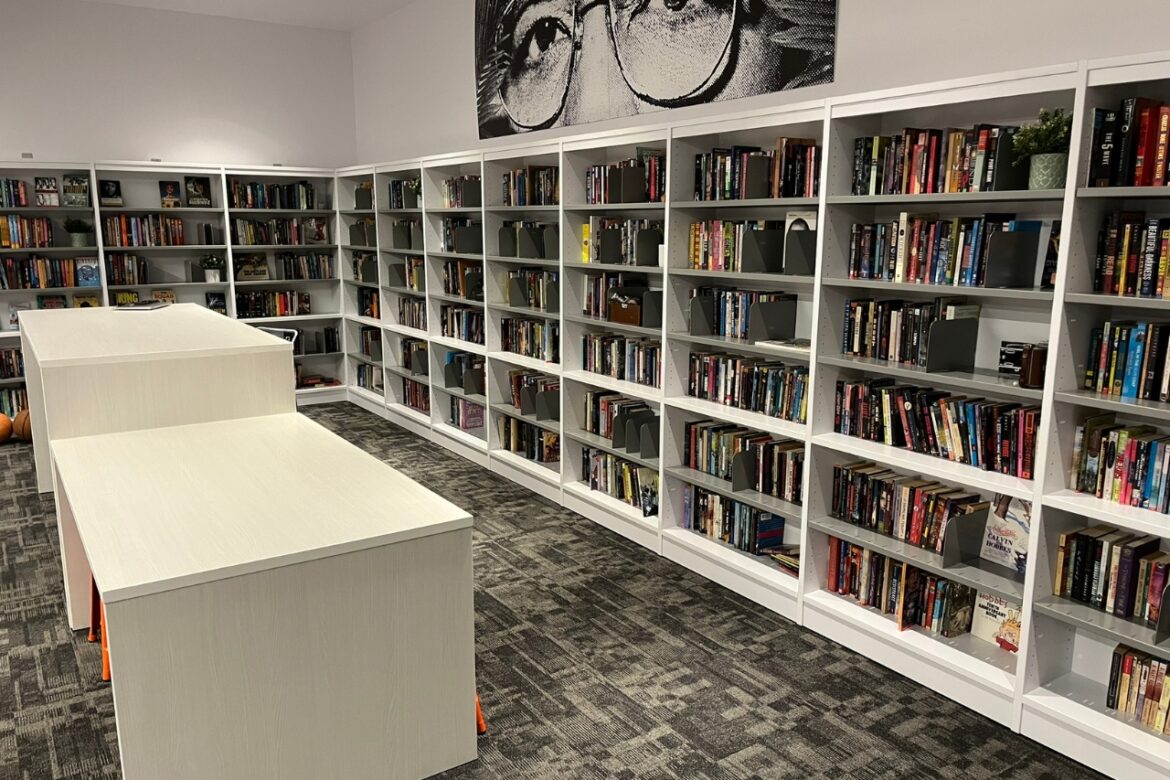
In a recent eSchool News article, MiEN customer Jade Stevens talked about her experience creating a space where students can connect, collaborate, and flourish. Stevens and her team partnered with MiEN and Meteor Education to design Westbrook Academy’s Empowerment Center, a multipurpose communal space for students.
During the design process, a few essential considerations helped the Westbrook Academy team create a truly welcoming “student hub.” These strategies can guide school leaders in creating modern student-centered environments that encourage peer connections, foster academic engagement and collaboration, and cultivate community on campus.
A flexible environment is key to creating a modern and multipurpose student space, but flexibility should also stay at top of mind when deciding on the timeline of your project’s design and implementation. Teams should be prepared to adapt implementation timelines or alter design elements as the project evolves. You may not be able to open the space to students as early as originally planned, but it’s better to take things slow and get it done the right way than to speed through your project and miss important details.
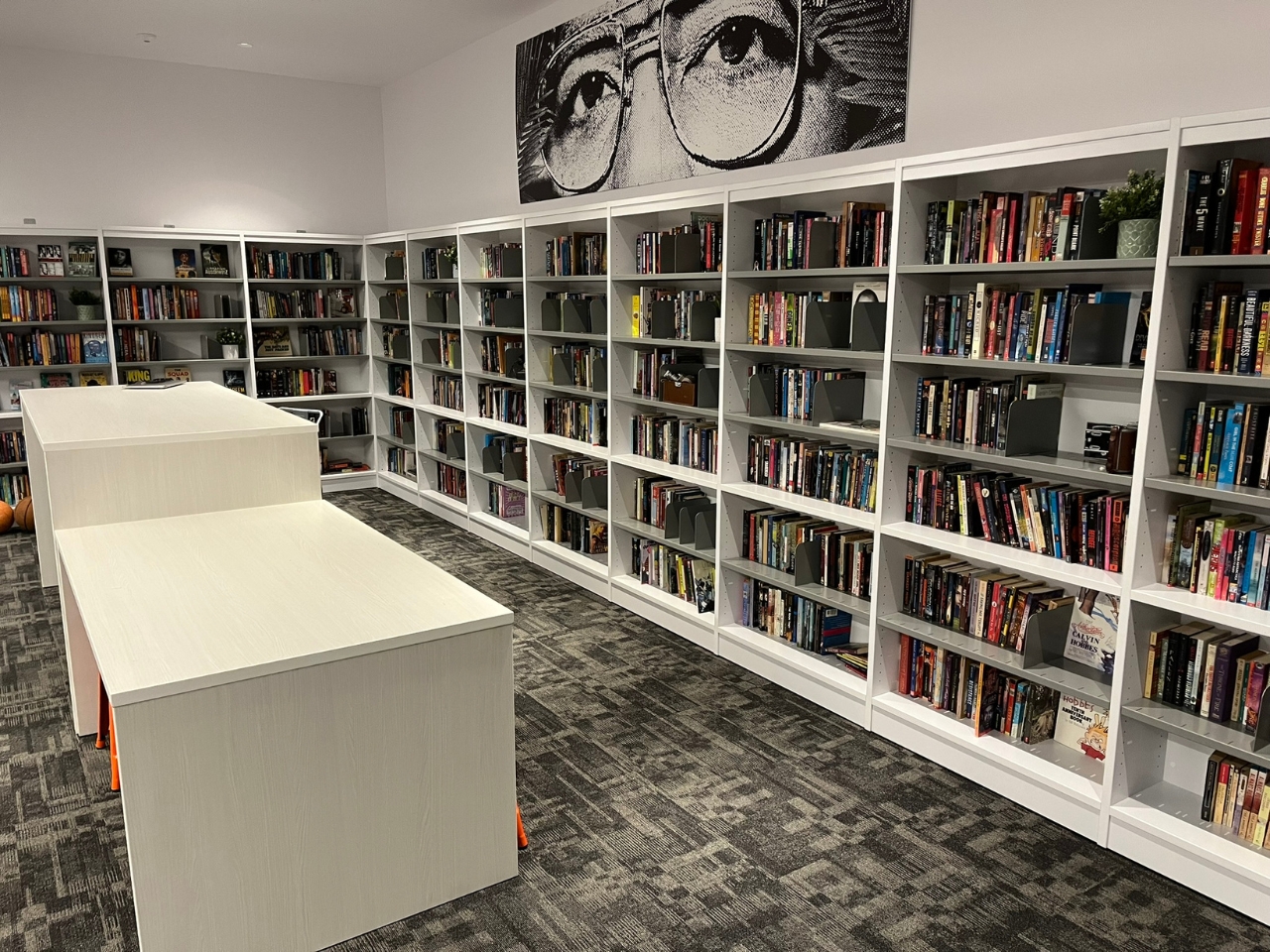
Resource limitations are common, particularly in schools that serve under-resourced communities. It’s important to be realistic about the constraints of your budget and focus on allocating funds to make the space serve students best. By taking a strategic approach and investing in foundational elements first, you can ensure that the space meets essential student needs while leaving potential for future additions. It’s critical to distinguish between what is necessary at launch and what can be added incrementally to extend the impact over time.
Having the right partners in your corner––including designers, architects, and furniture providers––can help your school achieve its goals within budget and on time. You may have a powerful vision for the space you want to create, but your vision can only become a reality with the support of experienced professionals who bring their best practices and insights to your project. Your collaborative partners will support you throughout the process, translating your school’s vision into a practical, achievable outcome. By selecting these partners from the start, you can build a strong foundation for communication and collaboration.
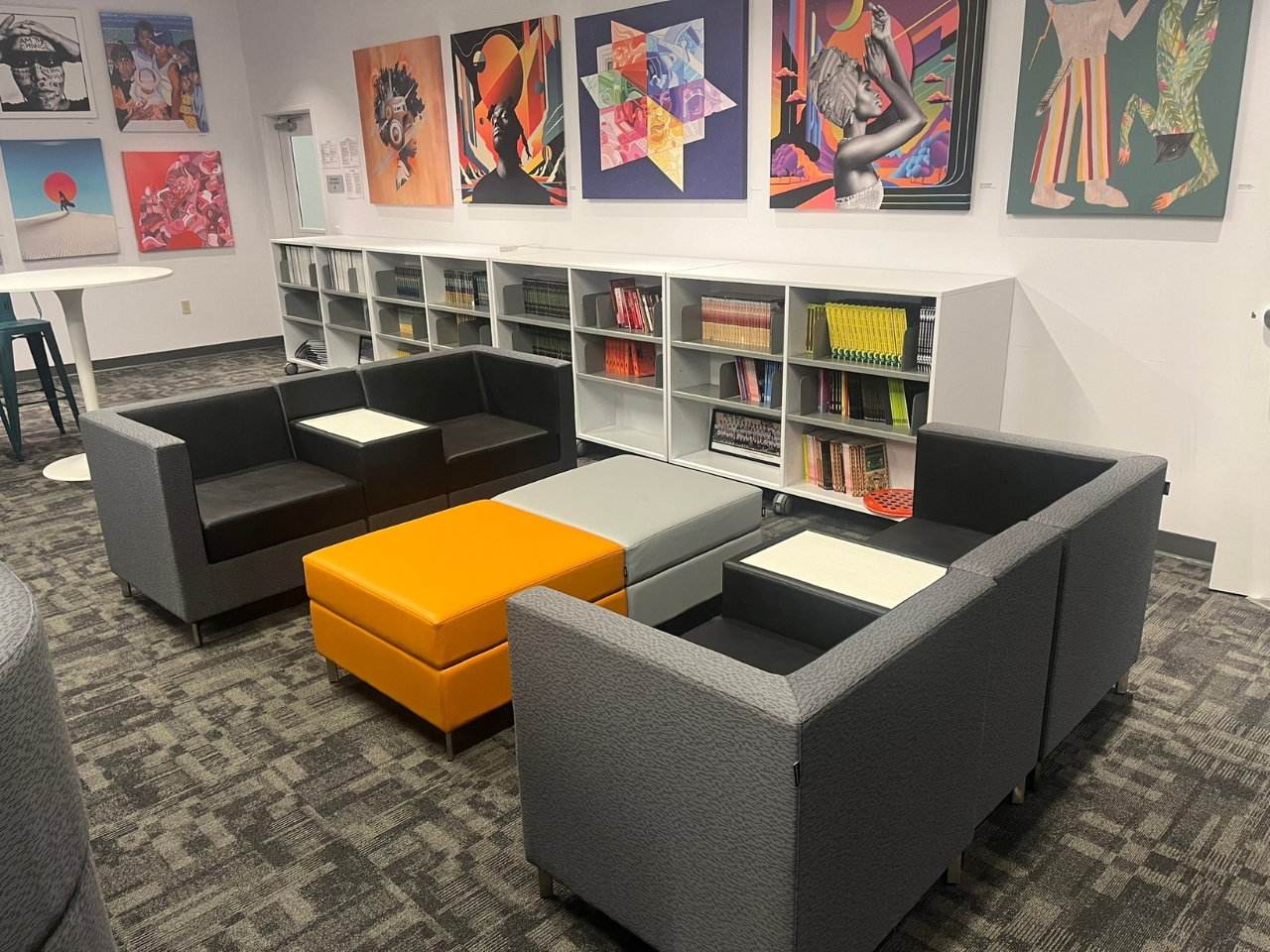
Create a welcoming space for students by choosing design features that reflect their identities and interests. Student input is invaluable when developing a truly student-centered environment, and an emphasis should be placed on features that spark curiosity and engage students in diverse ways. Curated art, inclusive literature, and engaging technology tools can all enhance the relevance and effectiveness of a space. Implementing personalized features that highlight students’ unique experiences, culture, and interests can foster ownership, increase usage, and contribute to a more inclusive school community.
Fresh and innovative learning environments have the power to transform not only student outcomes, but also perceptions across the greater school community. The unveiling of a thoughtfully-constructed, student-centered space can serve as a powerful affirmation of your school’s commitment to equity and excellence. School leaders should view these projects as opportunities to build trust, strengthen family engagement, and celebrate student potential.

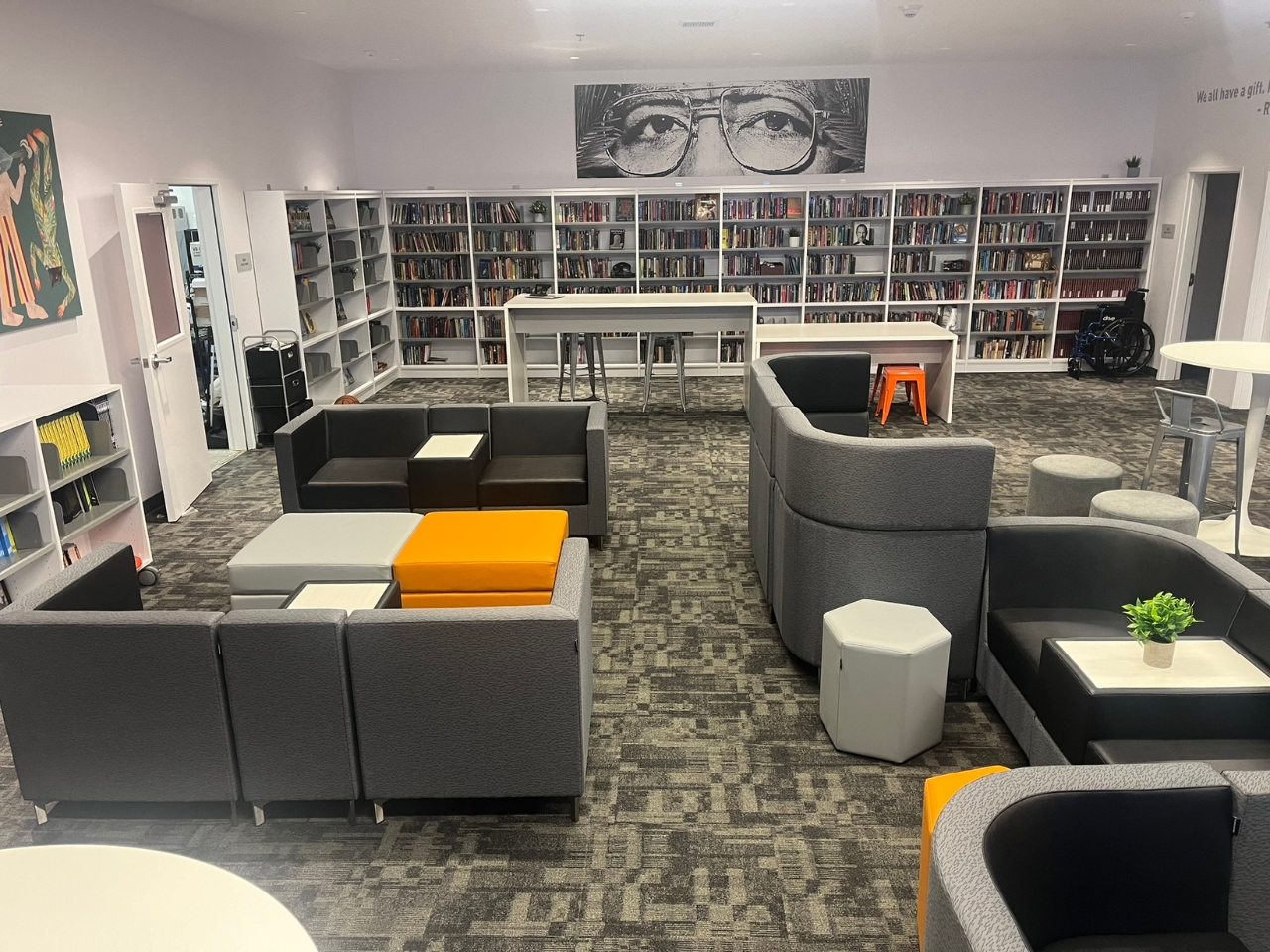
Education leaders continue to reimagine what learning environments can be, and the above strategies provide a helpful framework for designing thoughtful spaces focused on student engagement and collaboration.
The success of Westbrook Academy’s Empowerment Center illustrates the impact that can be achieved through intentional, student-centered design. Contact MiEN today to learn how we can collaborate on your next student-centered learning environment!