
Designing Real-World Learning Spaces for Career-Ready Students
Students need skills they can use on day one of a job. Yet many classrooms still look like rows of desks and static labs. Real-world learning spaces bridge that gap. They give learners hands-on practice with tools, tech, and workflows they will see in the workplace. Increasingly, these environments are integrated into structured courses that blend technology and interactive elements to enhance student engagement and learning outcomes.
In this post, we'll take a look at:
Across grades and programs, from middle schools to community colleges, educators now team up with businesses. They build STEAM labs, makerspaces, robotics hubs, and esports centers that mirror real jobs. Specialized engineering spaces and programs, such as maker labs and CTE initiatives, prepare students for engineering careers through hands-on, real-world projects. High school students also engage in these environments for career exploration and practical skill development. These spaces boost engagement, help students choose career paths, and lift enrollment by showing clear return on investment.
Continue reading to learn why real-world learning spaces matter, which design elements drive success, and how MiEN helps institutions plan and build environments that prepare learners for a fast-moving job market. These spaces support both collaborative and individual learning, allowing students to tailor their educational experiences.
Why Real-World Learning Spaces Matter
Bridging Education and Industry Needs
Education–industry partnerships help align teaching with job demands. Schools form advisory boards with local businesses. These boards guide curriculum, select equipment, and shape space layouts. When students train on the same tools used in industry, they gain confidence and reduce onboarding time for employers.
Addressing the Skills Gap
The U.S. may face a shortage of 6.5 million skilled workers by 2030. Career and Technical Education (CTE) programs fill this gap with hands-on labs and maker stations. Real-world learning spaces let students practice welding, coding, or financial analysis before they graduate. Early exposure to these skills raises competency and lowers skill mismatches.
Boosting Enrollment and Engagement
Declining enrollment hit many colleges after the pandemic. Institutions that rebuild spaces into STEAM hubs and flexible labs see rising student interest. Hands-on zones attract learners who seek practical training over lectures. Reports show that schools with modern labs gain higher retention rates and stronger alumni outcomes, proving a positive return on investment for facility upgrades.


Core Elements of Real-World Learning Spaces
Flexible, Modular Learning Spaces
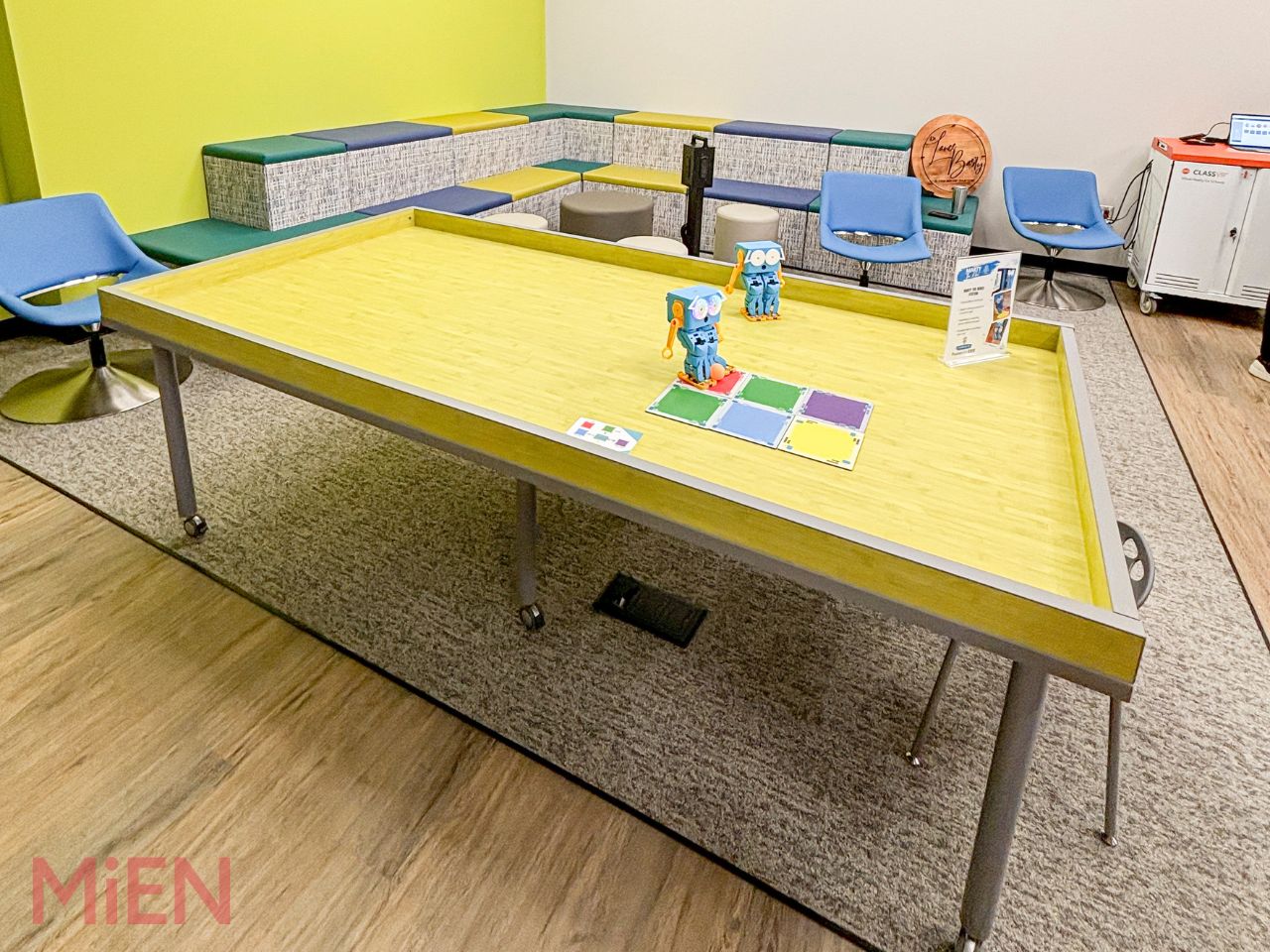
Modular learning spaces use mobile furniture and open layouts. Reconfigurable physical spaces support a variety of teaching methods and activities, allowing educators to adapt the environment to different instructional needs. Educators move tables and stools to match each activity. A welding station today can become a robotics cell tomorrow. This flexibility cuts renovation costs and supports new career pathways. MiEN’s modular tables and carts let schools adapt labs for CTE programs or STEAM projects in minutes.
Technology-Enabled Classrooms
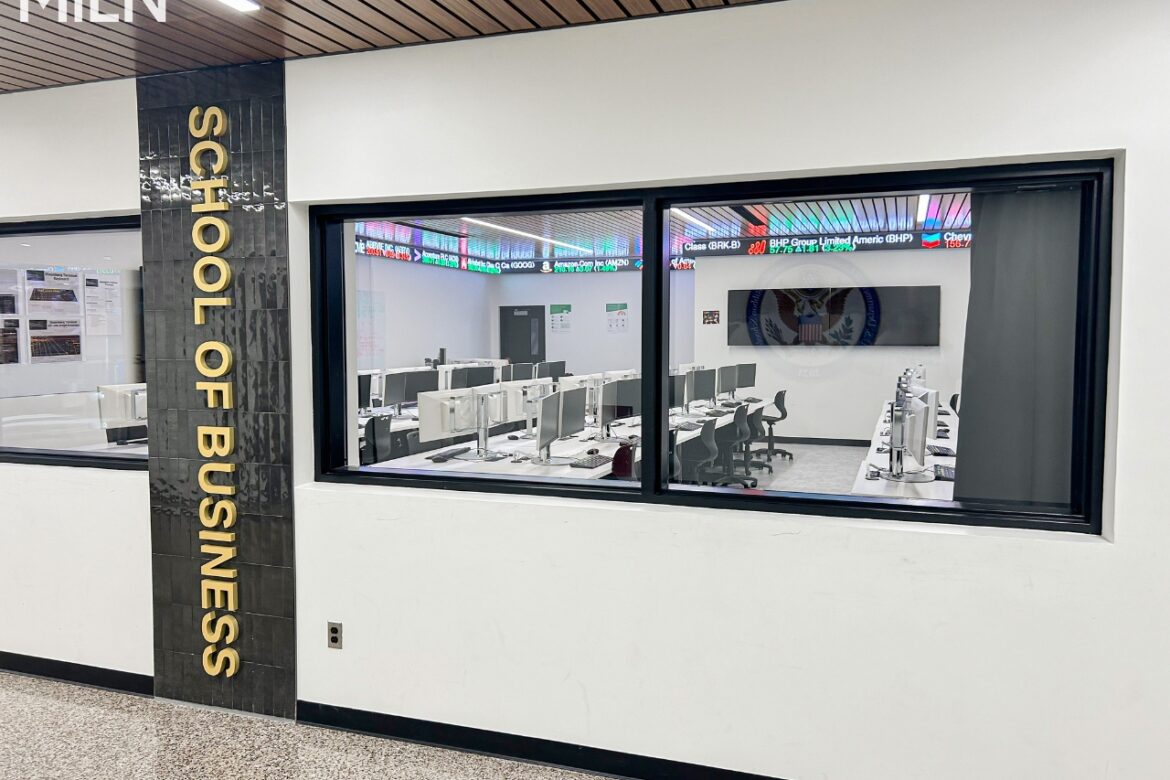
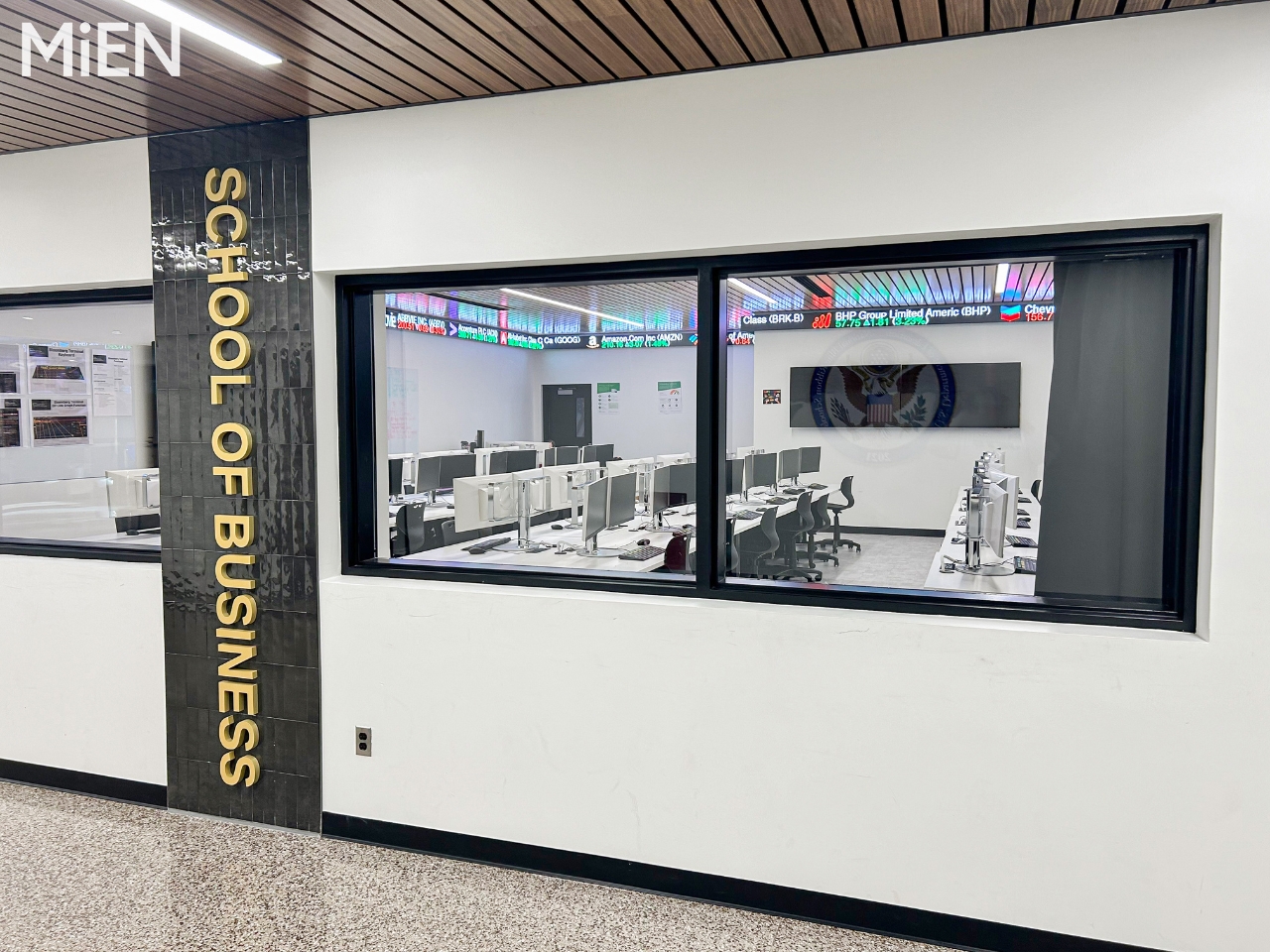
Tech-enabled classrooms integrate screens, simulation equipment, and charging stations. Students run coding exercises on the same hardware they will use in a software firm. These classrooms also support research and enable students to collaborate on research projects using digital tools. In a finance lab, they track live market data on wall-mounted tickers. These real-world setups boost familiarity with industry tools and reinforce theory with practice.
Purpose-Driven Zones
Designate zones for different skills: makerspaces for prototyping, esports arenas for digital teamwork, and robotics hubs for automation training. Each zone uses specialized furniture and power access. These zones also provide opportunities for students to present their projects and demonstrate their skills in real time. For example, a robotics hub has workbenches with tool storage and clear sightlines for live demos. Purpose-driven zones help students focus on specific tasks and simulate workplace workflows.
Collaborative and Quiet Areas
Balance teamwork and concentration with common areas and quiet pods. Collaborative classroom layouts include round tables and writable walls for group work. Designated small group areas further support focused discussions and targeted instruction, making it easier for students to collaborate in smaller, more effective settings. Quiet pods offer single-student focus with sound dampening and personal charging. This mix lets learners shift from debate sessions to solo study without leaving the space.
Best Practices in Space Design
Partnering with Experts
Work with a design partner that knows real-world learning spaces. MiEN brings experience in CTE labs, makerspaces, and esports arenas. Their team uses evidence-based layouts and furniture solutions. This expertise cuts trial-and-error time and ensures each space meets industry standards.
Involving Stakeholders
Include teachers, students, and local employers early. Hold workshops and surveys to gather needs. Students may request more tool stations or softer seating. Employers can list key skills and equipment. When users help shape the design, they use the space more and learn better.
Scalable and Sustainable Approaches
Plan for growth. Choose modular furniture that moves and reconfigures. Select durable materials that last through daily use. Look for eco-friendly options, such as recycled plastics or low-VOC finishes. Sustainable choices lower maintenance costs and support green career programs.

Success Stories
Bloomberg Financial Literacy Lab Empowers Responsible Decision-Makers
One standout example is Commack High School’s Bloomberg Financial Literacy Lab. Students learn to manage budgets, understand credit, and make informed investment choices. Dr. Jordan Cox, Superintendent of Schools, notes, “Financial literacy is a cornerstone of personal and professional success. We’ve made it a graduation requirement for our seniors.” Ninth-graders take a Career and Financial Management course in the lab. They practice real-time trading, track market data, and explore credit scenarios. This lab is part of a wider effort to link learning spaces with future careers. The district also features a live courtroom for its School of Law and will soon open a dedicated School of Medicine space. “We aim to transform the traditional school environment into dynamic spaces that connect student interests to future careers through real-life application,” explains Dr. Cox.
Bartow County School System Learning Hubs
In Bartow County, MiEN built flexible hubs across 19 schools. For over 14,000 students the final design ensured each hub used mobile storage markerboards, modular tables, tiered seating, flex seating, power stations, and plenty of storage. The district’s ultimate goal was to give students what they wanted: an updated learning space on campus where they can learn, collaborate, engage, work with mentors and hear from the district’s community partners. “Now we have STEM media centers that are all set up for a high level of collaboration and teamwork,” said Camp.
Multimodal Media Center Elevates Literacy and Collaboration
MiEN partnered with Decatur County Schools to transform Hutto Elementary’s former cafeteria into a multimodal media center. The space now includes modular, wheeled furniture and moveable storage fixtures that staff can reconfigure in minutes. Digital display cases from PowerUpEDU showcase student work across formats, from posters to AR/VR projects. One side holds a makerspace zone for hands-on STEM activities beside the fiction shelves, while a cozy reading nook, complete with counter-height tables, soft seating, and an overhead open-book canopy, supports individual literacy time. Active floor sections and integrated AV let teachers blend core ELA standards with interactive tools. This flexible design gives students ownership of their learning, boosts collaboration, and makes smooth shifts between group projects and solo study
Measuring Impact and ROI
Enrollment and Retention Metrics
Track changes in student numbers before and after space updates. A rise in enrollment shows stronger appeal. Improved retention rates signal that learners stay engaged. For example, a Butler Tech saw a 15% freshman increase after opening a new makerspace.
Student Skill Competency Assessments
Use hands-on assessments and project-based evaluations to track skill development. Compare performance data from before and after upgrading to real-world learning spaces. Many institutions report marked gains in technical competency when students train with authentic, industry-standard equipment.
Employer Satisfaction and Placement Rates
Survey local employers to assess graduate readiness. Look for increases in placement rates and positive feedback on skill levels. Many schools that update CTE labs report faster job placement for their graduates, reflecting stronger alignment between training and industry needs.


Steps to Get Started with Your Institution
- Conduct a Needs Assessment: Survey faculty, students, and industry partners. Gather data on desired skills, equipment, and space requirements. Higher education institutions are increasingly adapting their learning spaces to support interactive and technology-enhanced environments.
- Define Learning Outcomes: Link each space to clear workplace skills—coding, fabrication, collaboration. Use these outcomes to guide design choices and furniture selection.
- Audit Existing Spaces: Review current labs and classrooms for modularity, power access, and tech readiness. Identify quick wins, like adding charging stations or writable walls.
- Partner with a Design Expert: Engage MiEN early to leverage their experience in real-world learning spaces. Co-develop floor plans, furniture packages, and AV setups that match your outcomes.
- Pilot a Small-Scale Zone: Test a makerspace corner or CTE workstation. Collect feedback on flow, tools, and seating. Refine layouts before larger rollouts.
- Gather Feedback and Iterate: Use surveys and usage data to identify pain points. Adjust furniture configurations, add zones, or upgrade equipment as needed.
- Scale and Promote: Expand successful pilots to additional rooms or buildings. Showcase your new spaces in marketing to attract students and partners.
Building Real-World Learning Spaces to Close the Skills Gap
Real-world learning spaces give students the tools and confidence to succeed on day one of their careers. Adopting a new paradigm in educational space design can further enhance student-centered learning and innovation, moving beyond traditional models to create more collaborative and effective environments. By pairing modular layouts, industry-grade technology, and purpose-driven zones, institutions close the skills gap and boost enrollment.
Partnering with MiEN brings proven designs, stakeholder-driven planning, and sustainable solutions. Ready to transform your learning environments? Contact MiEN to start designing spaces that prepare your learners for the fast-paced demands of today’s job market.