

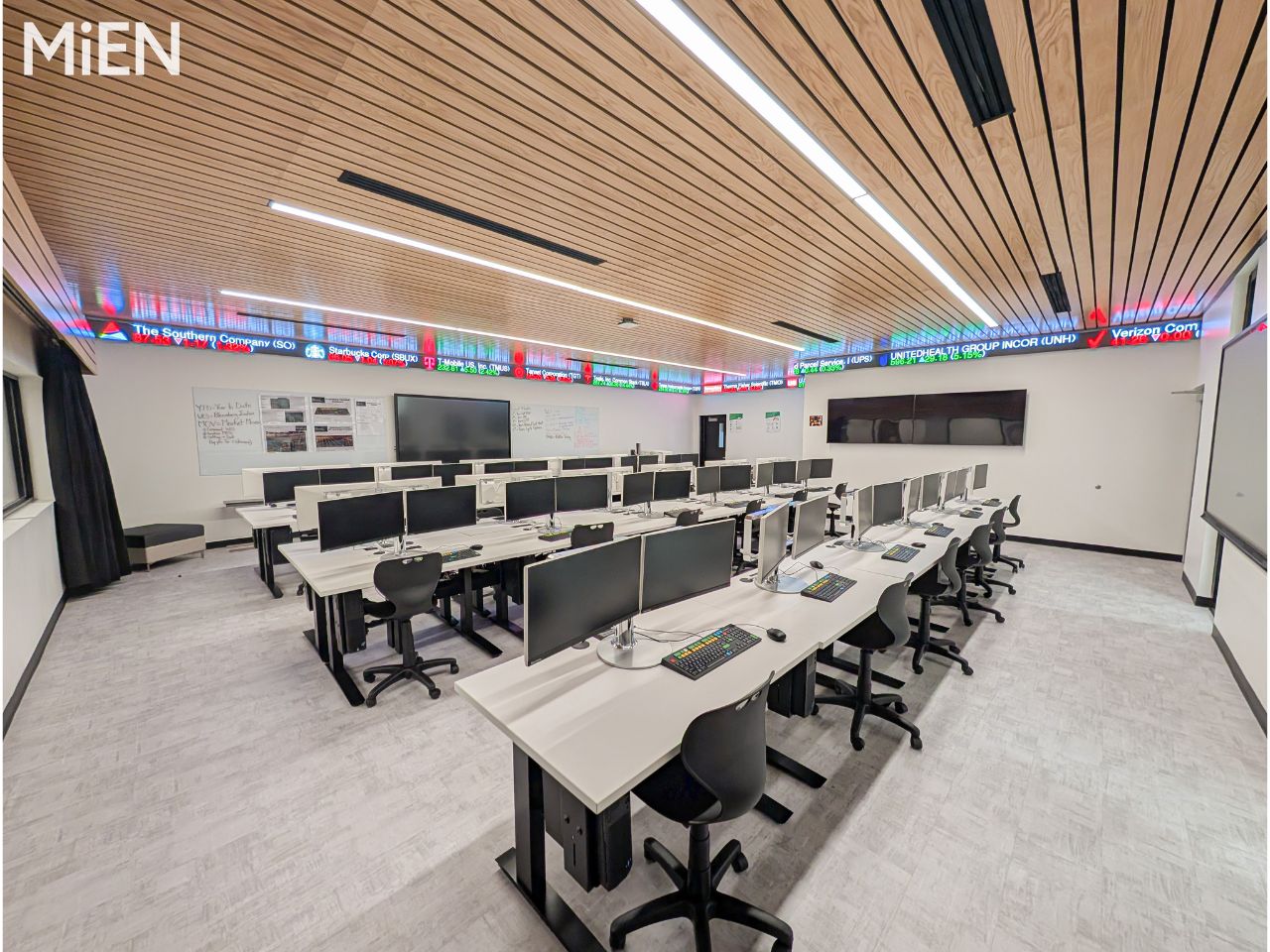
Designing for Every Generation: A Guide to Multigenerational Office Design
Today’s workplaces are more dynamic and diverse than ever before. For the first time in history, four generations, Baby Boomers, Gen X, Millennials, and Gen Z, are working side by side. This blend of experiences, perspectives, and work styles offers incredible opportunities for innovation, but it also presents unique challenges for office design. Aligning goals and values in both professional life and personal and professional life is essential for fulfillment in a multigenerational workplace. Multigenerational office design is about creating spaces where everyone feels included, productive, and inspired, no matter their age or background. At MiEN, we believe that flexible, inclusive, and wellness-focused environments are key to helping every generation thrive.
In this post, we'll take a look at:
By understanding the needs of different age groups and using adaptable furniture solutions, organizations can foster collaboration, boost engagement, and build a workplace culture where everyone belongs. Multigenerational office design also strengthens company culture by embedding values of inclusion and belonging, which enhances employee well-being, satisfaction, and organizational success.
Ready to discover how your office can support every generation? Let’s explore the essential elements of multigenerational office design.
Understanding Generational Needs in the Workplace
A successful multigenerational office design starts with understanding what makes each generation unique. Every age group brings its own strengths, communication styles, and preferences to the workplace. Recognizing these differences helps create an environment where everyone feels comfortable and empowered. Understanding generational differences is also key to optimizing the workplace experience for all employees.
Key Generational Traits
Baby Boomers (born 1946–1964): Value stability, face-to-face communication, and quiet spaces for focused work. They often appreciate traditional office layouts and private workstations.
Gen X (born 1965–1980): Prefer flexibility and autonomy. They thrive in environments that offer a mix of collaborative spaces and private areas, allowing them to choose how they work best.
Millennials (born 1981–1996): Seek open, collaborative spaces and embrace technology in their daily tasks. They value work-life balance and opportunities for teamwork and learning.
Gen Z (born 1997–2012): Desire authenticity, digital connectivity, and frequent feedback. They are comfortable with rapid change and look for workplaces that support growth, creativity, and social interaction.
Understanding these generational needs, companies like MiEN can design offices that support everyone. Making the workplace a hub for creativity, productivity, and connection.


Core Principles of Inclusive Office Design for Multigenerational Workplaces
Creating a multigenerational office isn’t just about mixing different age groups under one roof, it’s about designing spaces that truly support everyone’s best work. The most effective offices today are flexible, inclusive, and wellness-focused, meeting the needs of Baby Boomers, Gen X, Millennials, and Gen Z alike.
Flexibility and Adaptability
Modern office design trends highlight the importance of flexible workspaces. Adaptable work environments that can be customized to meet various business needs have seen significant industry growth in recent years. Spaces that can be easily reconfigured, using modular furniture, and adaptable layouts, allow employees to choose how and where they work.
Flexible office spaces offer customizable, modular layouts, with short-term leasing in mind, but with the ability to scale as needed. Unlike traditional offices, these flexible environments provide greater adaptability and cost savings through shared resources and dynamic operational models. This supports everything from quiet focused tasks, to dynamic teamwork, making it easier for every generation to feel comfortable and productive.
Inclusivity and Belonging
An inclusive office design ensures everyone feels welcome, regardless of age or ability. Thoughtful planning is essential in creating inclusive office spaces that support comfort, accessibility, and the diverse needs of all employees. This means providing accessible entrances, adjustable desks, and a variety of work settings. Office designers play a crucial role in developing inclusive workplaces by incorporating features such as private zones, wellness spaces, and adaptable environments to accommodate a diverse workforce. Branding and cultural touches can also help employees connect with the organization’s mission and values, strengthening their sense of belonging.
Wellness and Comfort
Employee wellness is a top priority in today’s offices. These wellness programs are organized initiatives designed to improve health and well-being in the workplace. Ergonomic furniture, natural lighting, and calming colors help reduce stress and boost well-being. Wellness rooms, biophilic design elements like plants, and comfortable break areas give employees places to recharge, supporting both mental and physical health. Features like standing desks and other initiatives such as relaxation zones and wellness challenges further support mental wellbeing and mental well being, helping to improve health for everyone in the office.
Technology for All
Integrating user-friendly technology is essential for a multigenerational team. Technological advancements have enabled flexible and hybrid work models, allowing employees to collaborate seamlessly whether they are in the office or working remotely. Reliable Wi-Fi, smart meeting rooms, and accessible tech tools help everyone stay connected, whether they’re digital natives or learning new systems. Readily available tech support is crucial to ensure all employees can use these technologies effectively, regardless of their experience level. Providing support and training ensures that all generations can use these resources effectively. Focusing on these core principles, companies like MiEN can create office environments where every generation feels valued, engaged, and ready to do their best work.
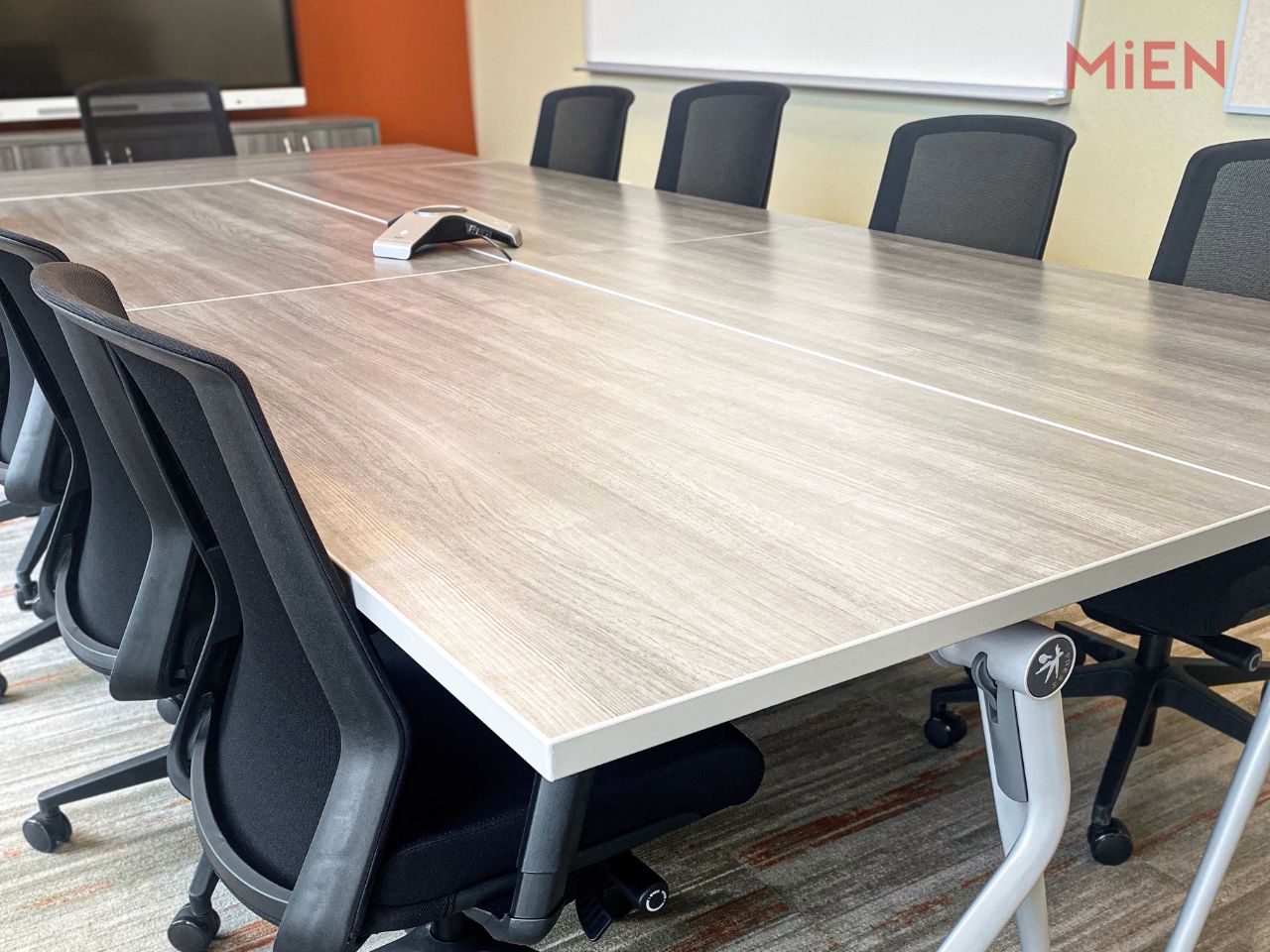
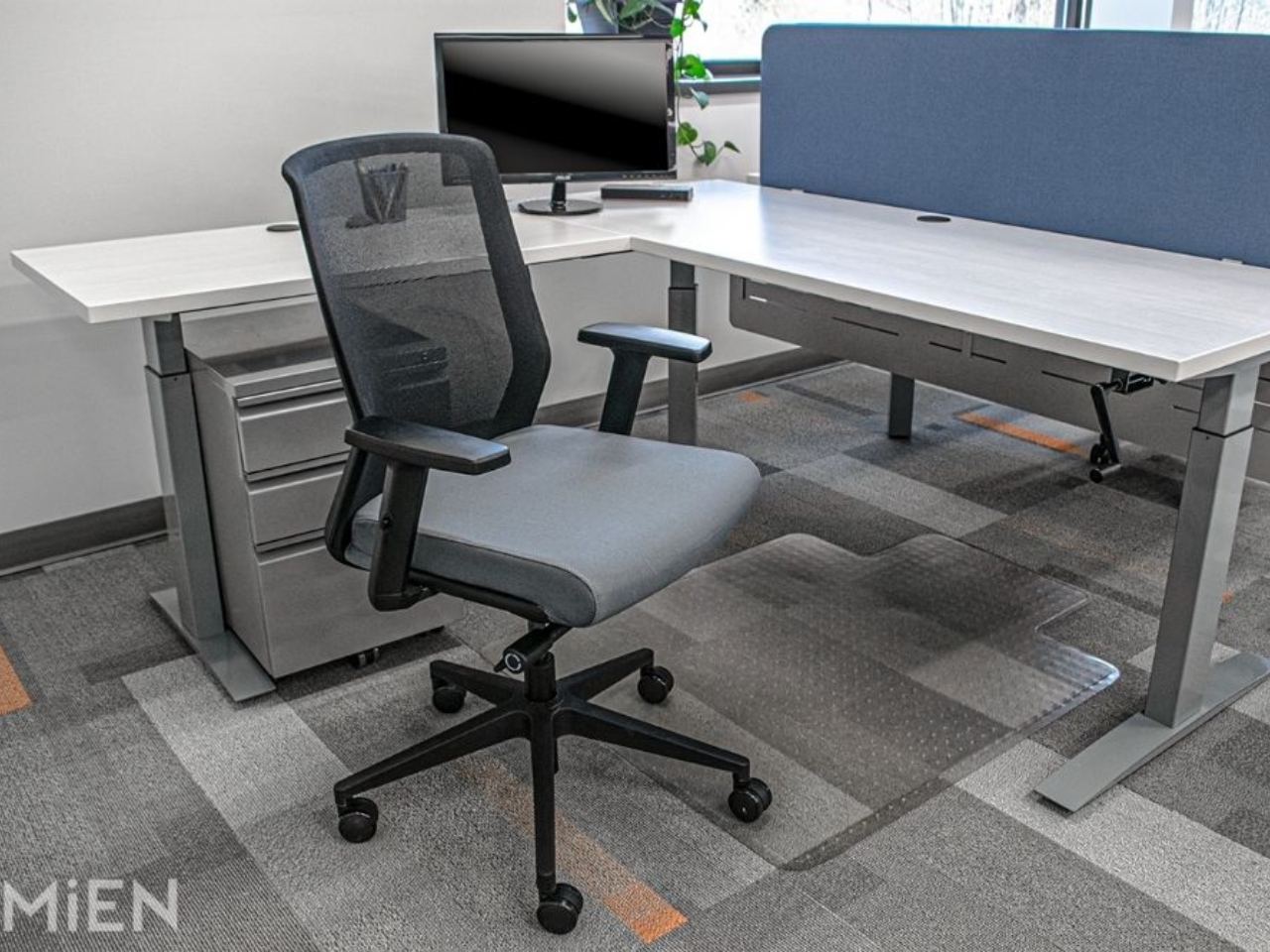
Expert Tips for Multigenerational Office Design
Designing a multigenerational office requires more than just flexible furniture, it’s about blending the best of every generation to create a space where all can thrive. Considering open plan layouts and managing background noise are also essential to ensure comfort, productivity, and inclusivity for employees of all ages. Here are expert-backed tips to help your workplace succeed:
1. Prioritize Flexibility and Adaptability
Flexible spaces are essential for supporting a range of work styles and preferences. Use modular furniture, movable partitions, and multi-purpose rooms so employees can choose between private focus, collaborative teamwork, or casual socializing. This adaptability is key for a workforce that spans from Boomers to Gen Z.
2. Encourage Cross-Generational Collaboration
Create spaces that promote mentorship, knowledge sharing, and teamwork between generations. Social lounges, shared project areas, and open meeting zones foster connection and allow employees to learn from each other’s experiences. This helps build a culture of respect and innovation.
3. Gather and Act on Employee Feedback
Ask employees from every generation about their workspace needs and preferences. This process leads to a deeper understanding of what makes an effective multigenerational office. Use surveys, focus groups, or informal conversations to understand what works and what doesn’t. When people see their input reflected in the office design, they feel more valued and connected to the organization.
4. Support Wellness and Comfort
Invest in ergonomic furniture, natural lighting, and wellness amenities. Quiet rooms, relaxation zones, and biophilic features like plants help reduce stress and support mental health. A healthy environment benefits everyone, regardless of age.
5. Make Technology Accessible for All
Ensure that tech tools are easy to use and accessible to every generation. Offer training and support so employees feel confident using new systems, whether they’re digital natives or adapting to new platforms. Smart meeting rooms, reliable Wi-Fi, and user-friendly devices keep everyone connected.
6. Foster Inclusivity and Personalization
Design for accessibility, with adjustable desks, wide walkways, and spaces that accommodate different physical abilities. Allow employees to personalize their workstations, which boosts comfort and engagement.
7. Reflect Company Values and Mission
Use branding, mission statements, and cultural elements in your design to create a sense of purpose and belonging. When employees see the company’s values reflected in their environment, it strengthens their connection to the organization. Following these expert tips, MiEN can create a multigenerational office design that supports productivity, engagement, and well-being for every employee.


Benefits of Multigenerational Office Design
Designing an office that supports every generation isn’t just a trend, it’s a smart investment in your people and your business. A well-planned multigenerational office design brings together the strengths, creativity, and energy of Baby Boomers, Gen X, Millennials, and Gen Z, creating a workplace where everyone can do their best work. These principles are especially important for organizations with a global workforce, as they ensure flexible workspaces can accommodate diverse working styles and preferences across different cultures and regions.
Boosts Productivity and Engagement
Flexible, adaptable spaces allow employees to choose how and where they work, supporting both quiet focus and dynamic teamwork. When people feel comfortable and have access to the right tools and environments, they’re more engaged and productive. Well-designed spaces and programs can also encourage employees to participate in activities that enhance their well-being and productivity.
Increases Employee Satisfaction and Retention
A multigenerational office design shows employees that their needs and preferences matter. Offering a mix of collaborative zones, private areas, and wellness-focused amenities, companies can attract and retain top talent from every age group. This inclusivity leads to higher job satisfaction and loyalty.
Fosters Collaboration and Innovation
When different generations work together in spaces designed for connection and knowledge sharing, mentorship and collaboration thrive. These interactions spark innovation and help teams solve challenges in creative ways.
Supports Wellness and Well-Being
Wellness-centric features like ergonomic furniture, biophilic design, and relaxation zones support both physical and mental health. Healthy employees are happier, more focused, and less likely to experience burnout.
Builds an Inclusive and Future-Ready Culture
An inclusive, adaptable office environment reflects your company’s values and commitment to diversity. It helps build a culture where everyone feels valued, respected, and empowered to contribute. Making your organization more resilient and ready for the future. When investing in multigenerational office design, companies can create workplaces that not only meet today’s needs but also adapt to tomorrow’s challenges.
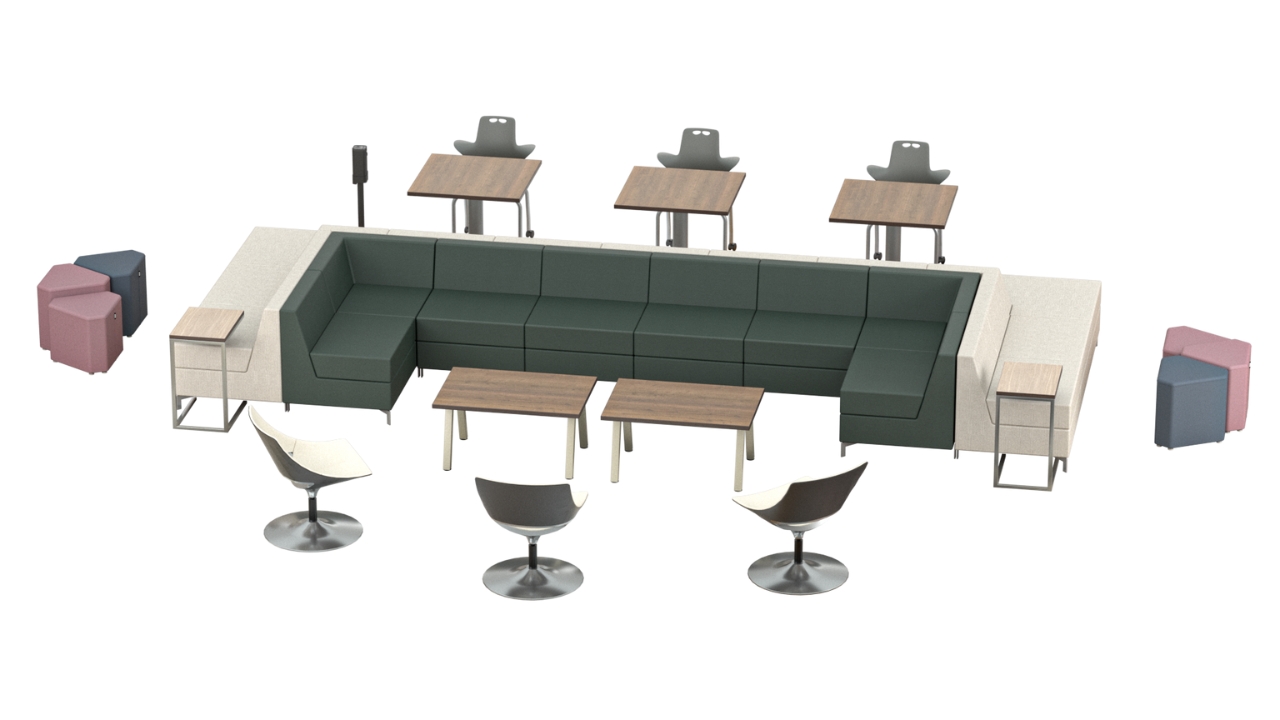
Building Future-Ready Workspaces That Empower Every Generation
Multigenerational office design is more than a passing trend, it’s a strategic approach that helps every employee do their best work. Blending the wisdom and experience of Baby Boomers, the pragmatism of Gen X, the collaborative spirit of Millennials, and the digital fluency of Gen Z, organizations can create a truly dynamic and inclusive workplace.
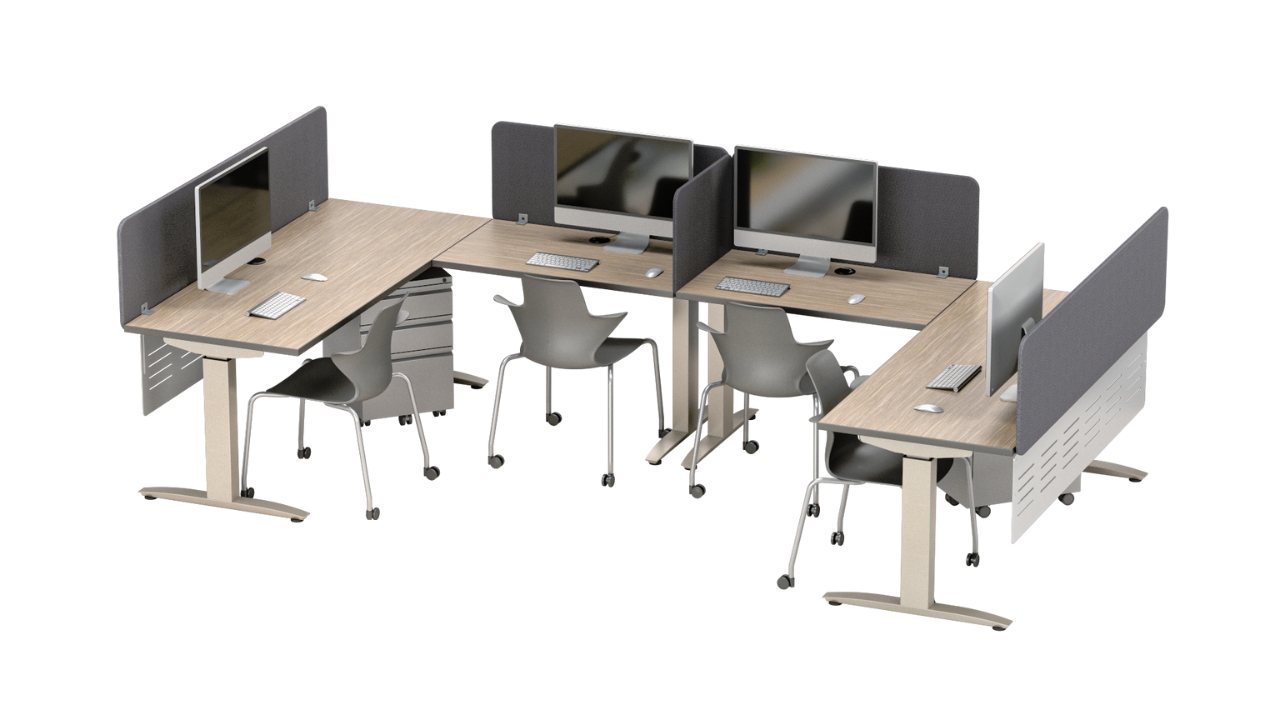
Today’s leading offices are flexible, adaptable, and wellness-focused. In contrast, the typical office environment often lacks natural light, visual stimuli, and other wellness features, which can negatively impact employee health and productivity. They feature modular furniture, free desking, and reconfigurable spaces that support both quiet focus and energetic teamwork. Biophilic elements, sustainable materials, and accessible design, including the incorporation of natural light, ensure everyone feels comfortable, healthy, and included. Smart technology and hybrid-ready spaces make it easy for every generation to connect and collaborate, whether in person or remotely.
At MiEN, we believe that thoughtful, intentional design is the key to unlocking the full potential of every generation. Investing in multigenerational office design, you’re not just keeping up with trends, you’re building a future-ready workplace where everyone can thrive.
Ready to create a workspace that inspires and empowers every generation? Start today by reimagining your office with flexibility, inclusivity, and wellness at its core. Contact us today.