


Welcoming Spaces: Designing Classrooms Centered Around a Sense of Belonging
From the moment students step into your classroom, their mindset, engagement, and sense of security are shaped by the space that greets them. When it comes to learning spaces, first impressions aren’t just about appearances, but rather the overall atmosphere and energy emanating from your classroom. The environment you cultivate for your students sets the tone for relationships, engagement, and learning for the rest of the school year.
In this post, we'll take a look at:
By intentionally designing a classroom that feels welcoming, inclusive, and adaptable, you can communicate a powerful message: You belong here.
Creating a welcoming atmosphere
Upon entering a new classroom, students tend to make quick judgments about how the space will work for them. Colors, lighting, and layout all contribute to that initial perception. Anyone can create a visually-pleasing classroom, but it takes careful thought and intention to design a space that positively impacts students’ mood, behavior, and engagement through aesthetic choices.
Different classroom color palettes can evoke different feelings and attitudes. Blues and greens can bring a calming effect, helping students focus and reducing anxiety. Yellows and oranges create a lively space that helps boost energy and spark creativity. Pairing intentional color palettes with comfortable textures can help lower stress and increase openness to learning.
Décor also plays a role in creating a welcoming atmosphere. Motivational quotes, student-created artwork, or your school’s motto can reinforce values and cultivate a sense of community. This not only personalizes the space but gives students something to connect with when they walk through the classroom door.
Cultivating a sense of belonging
The key to creating a welcoming classroom is showing students it was designed with them in mind, so it’s important to consider students’ diverse needs, preferences, and forms of engagement in your design decisions.
Rethink the default layout of rows of desks, and instead try clusters, U-shapes, or collaborative tables to encourage peer connections and teamwork. Gathering students in groups forms a community-minded space where students feel supported and more confident exploring their independence. Additionally, these unique layouts provide more mobility and freedom, promoting a more active and adaptable classroom.
Flexibility is essential. Mobile and modular furniture like the PAL desks and tables––available in more than 25 shapes––makes it easy to reconfigure the space for group projects, quiet study, or whole-class discussions. These flexible furnishings also support an active learning approach, allowing your space to evolve to meet different learning needs.
Learning zones for different activities can be conveyed by using distinctive furnishings, such as lounge seating in a reading nook or a high-top table for collaboration. Creating different zones with a variety of seating options gives students the autonomy to choose where and how they learn best.
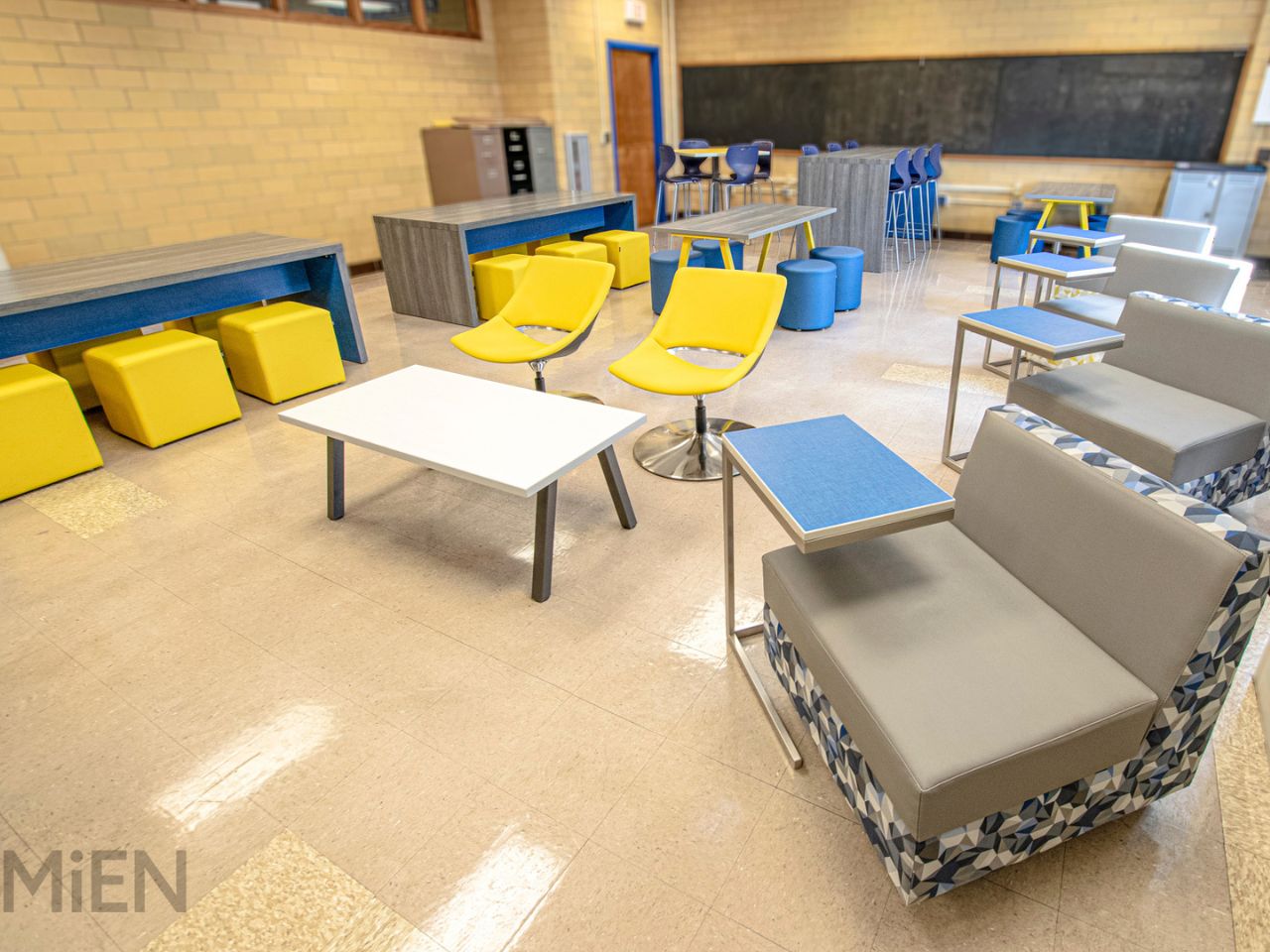

Inclusive spaces for every learner
Accessibility should be built into your classroom from day one. Wide walkways, organized layouts, and ADA-compliant furnishings make it easier for all students to confidently navigate the space.
Providing a variety of seating, such as floor cushions, wobble stools, and adjustable rolling chairs, allows students to customize their learning space to meet their physical needs. Likewise, adjustable desks can accommodate both seated and standing learners, as well as students using mobility devices.
For students with sensory sensitivities, consider incorporating a quiet zone or sensory space with softer lighting, sound-dampening panels, or cozy furniture. These zones allow students to decompress if they become overstimulated in the classroom environment. Sensory spaces can also benefit students who are under-stimulated, or who need a quiet moment to focus on reading or individual work.
By creating a classroom that supports student choice and independence––regardless of ability––you can also inspire a mindset of inclusivity that goes beyond the physical space, leading to a more welcoming environment overall.
Acknowledging students’ need for security
Today’s students are more aware of safety concerns than ever before. Schoolwide protocols and systems set the foundation for school safety, but students’ personal sense of security is largely dependent on their perception of their environment.
Small design decisions can make a big difference: Add curtains over windows where you can, post clear signage about emergency procedures and tools, and create thoughtful seating arrangements. Students who feel particularly anxious may prefer spots in corners, near the teacher’s desk, or away from high-traffic areas like the door.
Furniture placement can also contribute to a sense of safety. Low-profile bookshelves or mobile storage units can serve as gentle space dividers without obstructing sightlines, helping create areas that feel contained and secure. Ultimately, your goal should be to create a space where learning is the top priority, while still acknowledging and addressing students’ safety concerns and anxieties.


Building community through welcoming spaces
A welcoming learning space is more than just a room, it’s an engaging and supportive atmosphere where students feel safe, seen, and part of the school community. Through intentional design choices, you can cultivate an environment where students can thrive––and truly feel like they belong.
MiEN Company’s approach to learning space design centers on these principles. From adaptable furniture that evolves with your students’ needs to inspiring layouts that promote collaboration, MiEN helps educators create welcoming spaces.