

Designing Computer Labs for STEM: Building Future-Ready Learning Spaces
As schools and universities expand their focus on STEM education, many are rethinking how physical spaces support student learning. Computer labs, once filled with rows of desktop stations, are evolving into dynamic environments built for collaboration, coding, content creation, and real-world problem solving. Transforming an outdated computer lab into a modern, flexible space is crucial for meeting today’s educational demands. These spaces are no longer optional, they are essential.
In this post, we'll take a look at:
Designing school computer labs for STEM means more than adding screens and outlets. It means creating flexible, tech-integrated learning environments that reflect the skills students need today, and the careers they’ll enter tomorrow. School computer labs must also align with student interests and support the integration of digital technology, ensuring students are prepared for a digital world. When done right, a modern computer lab can help students think critically, work together, and explore technology in ways that textbooks alone can’t offer.
But when labs are outdated or poorly designed, students may disengage, and schools risk falling behind. Whether it’s for K–12 or higher education, schools that invest in modern computer, media, esport, or STEM labs send a clear message: We’re preparing students for what’s next.
Why STEM Classrooms Need Modern Computer Labs
Outdated Labs Limit Student Engagement and Learning
Traditional computer labs were typically filled with hard wired stationary desktop computers, arranged for one task at a time. These setups were designed to accommodate the whole class simultaneously, with students sitting in rows and working silently on individual assignments. That setup no longer supports how students learn or how technology is used in the real world. Outdated layouts can discourage collaboration, limit creativity, and create barriers for students who need a more engaging and interactive environment.
STEM Demands Specialized Learning Environments
STEM learning thrives on exploration, experimentation, and teamwork, especially across a wide range of STEM topics and computer science. Today’s students need spaces where they can solve problems together, share ideas, and use tools that mirror what they’ll encounter in future careers. A well-designed computer lab is essential for supporting a comprehensive STEM curriculum, enabling activities like coding, digital media production, robotics, AI, and other hands-on experiences that go beyond keyboarding and research.
Real-World Readiness Starts in the Lab
The best STEM labs prepare students not just for tests, but for work. These labs simulate professional environments, encouraging communication, adaptability, and real-world thinking. When students use labs that resemble the offices, studios, and labs they may one day work in, they gain confidence and practical skills that carry beyond the classroom, directly supporting their readiness for STEM careers.


The Role of Space Design in STEM Computer Labs
The design of a STEM computer lab is a foundational element in creating effective, future-ready learning environments. A well-planned space does more than house technology, it shapes how students interact, collaborate, and engage with digital learning and STEM projects. In a modern computer lab, thoughtful space design can transform the learning experience, making it more dynamic, inclusive, and adaptable to a variety of teaching methods and student needs.
Flexibility is at the heart of successful space design. Modular furniture pieces, such as modular tables and flexible seating, allow educators to quickly reconfigure the lab for group work, project-based learning, or individual study. Open space computer labs with soft seating and plenty of natural light create a welcoming atmosphere that encourages students to explore topics, share ideas, and discover STEM concepts together. These inviting learning environments promote social interaction and help students feel comfortable spending hours practicing new skills.
A modern computer lab should also be equipped with the right hardware and digital tools to support a wide range of STEM activities. Access to computer programs, virtual reality, and other digital technologies enables students to engage in hands-on learning and real-world problem solving. Dedicated space for group projects, along with ample storage solutions, ensures that materials and equipment are organized and easily accessible, supporting a seamless learning experience.
5. Rethink traditional learning zones
Libraries, cafeterias, and other shared spaces offer unlimited potential to provide students with career-focused learning opportunities and lifelong skills that will benefit them beyond graduation. Consider transforming these areas into multi-use environments that support collaboration, creativity, and project-based learning. With the right design and adaptable furniture, a quiet library corner becomes a podcast studio, an old study room becomes a collaborative workspace, and a cafeteria becomes a vibrant hub for connecting with peers and gathering for club meetings.
Core Elements of a STEM-Optimized Computer Lab
Flexible Furniture for Multi-Modal Learning
STEM learning isn’t static, and neither should the furniture be. Flexible furniture pieces are a key feature in modern labs, allowing spaces to be easily reconfigured for various activities. Unlike stationary desks, which limit adaptability and collaboration, flexible furniture supports movement and comfort, making it easier to transition between different tasks. Mobile tables, stackable chairs, and modular setups allow educators to quickly shift between coding sessions, presentations, and hands-on group projects. Flexibility supports student choice and promotes active learning.
Tech Integration Beyond Devices
Laptops and desktops are just the beginning. Devices with higher processing power often have a complex startup process and require specific programmed settings to function optimally. A well-designed STEM lab includes accessible power sources, smartboards, high-speed connectivity, and tools for digital creation, like 3D printers, robotics kits, or media production gear. Reliable power sources are essential to prevent power loss, which can reset programmed settings and disrupt ongoing work. There is also a risk students unplugging equipment, so accessible, well-designed power sources help mitigate this issue and ensure uninterrupted operation. Built-in tech infrastructure ensures that students can focus on their work without waiting on slow Wi-Fi or searching for outlets.
Ergonomics, Acoustics, and Wellness Design
Design matters beyond layout. Comfortable seating, sound-dampening materials, and natural lighting all contribute to better focus and well-being. STEM labs should support long periods of work without strain, distraction, or fatigue. Cleanable surfaces made from durable materials ensure longevity and sustainability, while efficient airflow and proper lighting create a healthy, focused space that’s built to last.


Supporting Project-Based and Collaborative Learning
Layouts That Foster Teamwork and Communication
STEM education is rooted in collaboration. Students need room to brainstorm, problem-solve, and build solutions together. A well-designed computer lab includes dedicated zones for group work, open floor plans that reduce barriers, and shared workstations where students can connect face-to-face. Modern labs also feature computer stations with ample surface space, allowing students to work together comfortably and adapt their workspace for teamwork and collaboration. These layouts help build the communication and interpersonal skills students need in today’s workforce.
Creating Space for Problem Solving and Critical Thinking
A strong STEM lab challenges students to think deeply and work through tough problems. This requires a space that encourages exploration without distraction. Breakout areas, writable surfaces, and quiet corners for focus work allow students to shift between thinking modes and discover STEM topics separately, enabling focused exploration of specific interests like coding or robotics. The goal is to support not just answers, but the process of discovery.
Tools That Support Creativity and Innovation
From coding apps to digital design tools, students need access to creative technology. Modern labs support this with multimedia stations, VR capabilities, AI software, and other hands-on resources. Providing a variety of learning materials is also essential to support creative projects and diverse learning needs. When students have the tools to bring their ideas to life, they stay more engaged and learn more effectively.
Addressing Equity and Access in Computer Lab Design
Closing the Digital Divide
Not every student has reliable access to devices or high-speed internet at home. Many students do not have their own devices, such as laptops or tablets, making computer labs essential for equity and ensuring everyone can participate fully in digital learning. A well-equipped computer lab ensures all students, regardless of background, can access the same tools, resources, and learning opportunities. These labs play a vital role in leveling the playing field, especially in districts where one-to-one device programs fall short.
Universal Design and Inclusive Layouts
Structured Tech Time vs. One-to-One Devices
Modern labs should be designed for all learners. This includes furniture that accommodates different body types and abilities, as well as layouts that support students with sensory needs or learning differences. Universal design creates a more inclusive, welcoming space where every student can participate fully in STEM learning.
While one-to-one device programs offer convenience, they don’t always support focused or purposeful tech use. In contrast, computer labs provide structured time in an environment built for learning. This structured lab time allows individual students to focus on their unique learning needs, supporting personalized engagement and growth. With fewer distractions and guided instruction, students use technology more effectively, building real skills rather than simply consuming content.

What Does a Future-Ready STEM Lab Look Like?
Examples of Modern Lab Layouts
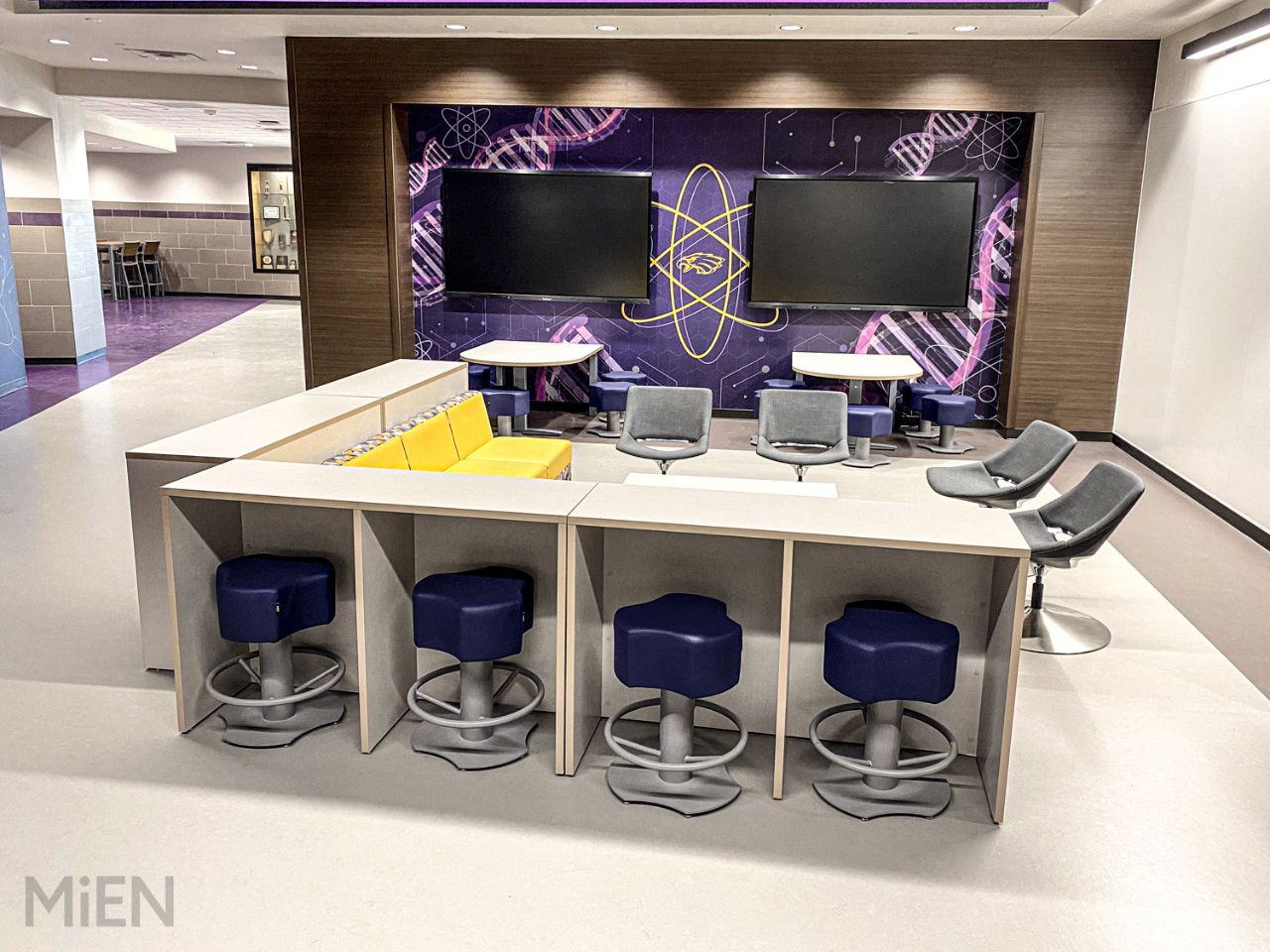
Today’s STEM labs break away from rigid layouts. Unlike the traditional hard wired desktop setups, where fixed computers were arranged in rows or circles, modern labs feature open spaces with mobile furniture, writable surfaces, and zones for different activities. A typical setup might include coding stations, small group pods, presentation areas, and digital creation zones, all connected by power access and flexible seating.
From Esports to AI: Expanding Lab Use Cases
Modern labs support more than just science and math. Schools are using these spaces for AI learning, digital storytelling, video editing, and scholastic esports. These programs attract a broader range of students and help schools stay competitive. Esports arenas and modern labs are designed to support personal device usage and provide dedicated areas where students can spend time practicing and even spend hours practicing their gaming skills. A future-ready lab is versatile, allowing teachers to adapt the space as new technologies and programs emerge.
Creating a Flexible Foundation for What’s Next
Technology changes fast. A future-ready STEM lab is designed with adaptability in mind. Modular furniture, scalable tech infrastructure, and mobile storage make it easy to update the space without a full renovation. Flexible lab design also supports the growth and evolution of STEM programs, ensuring that new curricula and hands-on activities can be integrated seamlessly. When planning for change, schools can keep their labs relevant for years to come.
MiEN’s Approach to Designing STEM Computer Labs
Experience in STEM Labs, Makerspaces, and Esports
MiEN has helped schools across the country create modern labs that support STEM, makerspace, and esports programs. From elementary classrooms to university innovation centers, MiEN designs environments that meet today’s needs and scale for tomorrow’s opportunities. Each space is designed with input from educators to support real classroom goals, not just aesthetics.
Design Support Services for New and Existing Schools
Flexible Products That Adapt With Technology
Whether you’re building a new lab or upgrading an existing one, MiEN’s Design Support team works with you to plan every detail. From layout planning to product selection, MiEN helps schools design labs that support STEM learning today and remain adaptable for what’s next.
MiEN’s furniture is built for flexibility. Mobile desks, stackable chairs, and tech-ready tables make it easy to shift layouts as lessons change. These products are designed to support group work, device use, and focused tasks, giving teachers and students the tools they need to stay productive and engaged.


Final Thoughts: Evaluate, Upgrade, and Prepare
Designing computer labs for STEM is about more than technology, it’s about creating an environment where students can think, build, and solve problems with purpose. Schools that invest in flexible, future-ready labs are not just updating furniture; they’re preparing students for real opportunities in an evolving world.
Now is the time to assess whether your current spaces support the kind of learning today’s students need. If your lab is outdated, underused, or unable to support collaboration and innovation, it may be limiting your school’s potential.
MiEN can help. Our team partners with educators and administrators to design computer labs that support STEM, media creation, esports, and more. If you’re ready to build a space that inspires the next generation of learners, start with MiEN today.