


Designing Classrooms for Generation Alpha
Generation Alpha, children born from 2010 onward, now fill our elementary and middle schools. They grew up with touchscreens, streaming video, and instant answers. They learn best when lessons feel visual, hands-on, and social. Traditional rows of desks no longer match their needs. Designing classrooms for Generation Alpha means blending flexible furniture, seamless technology, and wellness features that spark curiosity and focus. MiEN’s Design Support team helps schools turn these ideas into real spaces, whether through a renovation or a brand-new build. Continue to learn the traits that shape Gen Alpha learning, the core design principles that support them, and step-by-step guidance to launch future-ready spaces that serve today’s students and those who follow.
In this post, we'll take a look at:
Understanding Generation Alpha Learners
Digital Natives
Generation Alpha grew up tapping and swiping before they could write. They expect fast Wi-Fi, cloud tools, and constant device access in class. When a lesson moves smoothly from tablet to whiteboard to group chat, attention stays high and learning sticks.
Visually Wired and Interactive
Short videos, bold graphics, and touch displays create visually stimulating environments that speak their language. Motion and color help them process ideas quickly. Interactive tasks with drag-and-drop timelines, or virtual lab demos, can turn facts into active experiences.
Personalization and Agency
Gen Alpha learners want choice. A reading nook, a stand-sit desk, or a makerspace station lets them match the task to their mood and style. Personalized options like these create space for students to express their preferences and take ownership of their learning. Data dashboards and adaptive apps show progress in real time, giving students ownership of goals and next steps.
Social-Emotional and Sustainability Values
This group cares about feelings and the planet. They thrive on teamwork, feedback circles, and projects with purpose, such as upcycling drives or garden plots. A classroom that offers quiet corners, calming colors, and eco-friendly materials signals respect for both well-being and the earth, while also fostering a sense of belonging and connection among students.
Designing classrooms for Generation Alpha starts with these traits. When space, furniture, and tech align with how they think and feel, teachers spend less time managing behavior and more time guiding growth.

Core Principles of Gen Alpha Classroom Design
Flexibility and Adaptability
Learning goals shift by the hour, whole-group talk, small-group build, quiet review. Mobile desks, nesting tables, and light chairs let teachers flip layouts in minutes. Flexible seating, such as soft seating and height-adjustable desks, provides adaptable options to meet changing classroom needs. Casters and simple shapes keep floors clear and safe. Flexible furniture supports different learning styles by accommodating student preferences for movement, posture, and sensory input.
Seamless Technology Integration
Chargers in every table, wall-mounted screens, and strong Wi-Fi keep lessons flowing. Students dock tablets, share screens, and jump into cloud tools without delay. Technology integration in the classroom allows students to engage more effectively with the course material, making learning more interactive and accessible. Built-in cable paths protect devices and reduce trip hazards.
Collaboration and Communication
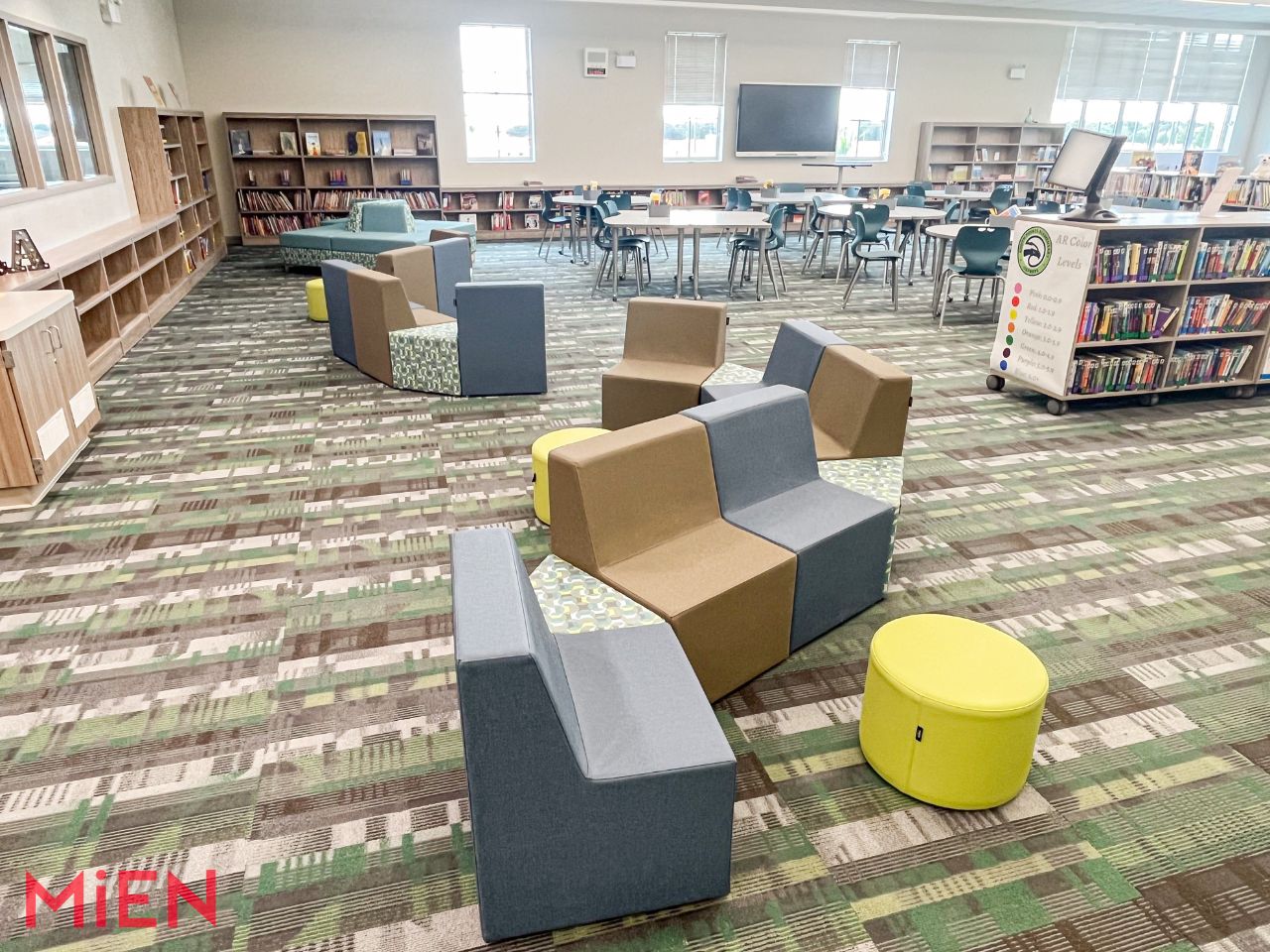
Oval tables, writable surfaces, and soft seating pods spark group talk and idea sharing, creating an environment that supports collaborative work. Chairs with swing-away wings, like MiEN’s Tauri Student Chair, hold backpacks and clear aisles, giving teams room to move.
Personalized Learning Pathways
A mix of stools, sit-to-stand desks, and floor seating lets each student find a comfort zone. The flexible furniture and adaptable layout also support individual work, allowing students to focus on personalized and independent activities. Color-coded bins and open shelving make self-selected resources easy to grab and return.
Wellness and Sustainability
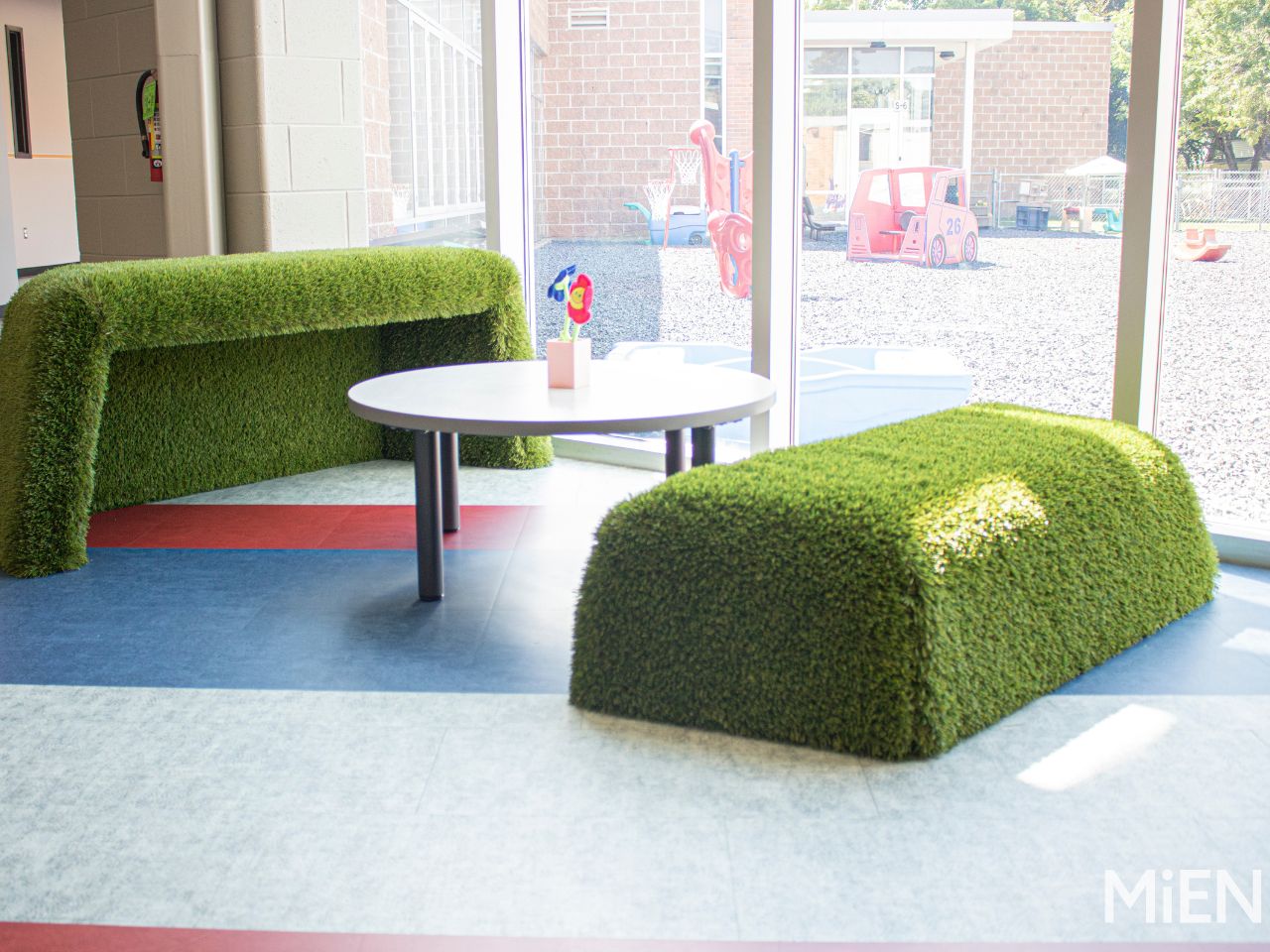
Natural light, live plants, and low-VOC finishes create healthier air and calmer moods. Incorporating green spaces and natural elements in the classroom can help students feel more connected to nature. These features have been shown to promote less stress, supporting student well-being and comfort. Biophilic touches like woodgrain finished tables or GROW soft seating to bring a hint of outdoors inside. Wellness-focused design can also contribute to improved academic performance by enhancing focus and satisfaction with the learning environment. Recycled materials and energy-saving fixtures model earth-friendly values Gen Alpha already holds.
Inclusivity Through Universal Design for Learning
Wide aisles, height-adjustable tables, and captioned media welcome every learner. Multiple means of representation, action, and engagement, core UDL ideas, ensure lessons reach students who read, watch, listen, or build to understand. When supporting diverse needs, universal design creates environments that foster successful learning for all students.
These six principles guide designing classrooms for Generation Alpha that feel future-proof yet practical today.

Design Strategies & Elements
Layout and Zoning
Start with a room map. Mark zones for whole-group talk, small-group work, and quiet focus. Organizing your classroom space to support different activities helps create an environment that enhances learning and well-being. Use mobile storage or low bookshelves to separate areas without blocking sightlines. Clear pathways cut down on bumps and spills.
Furniture Selection
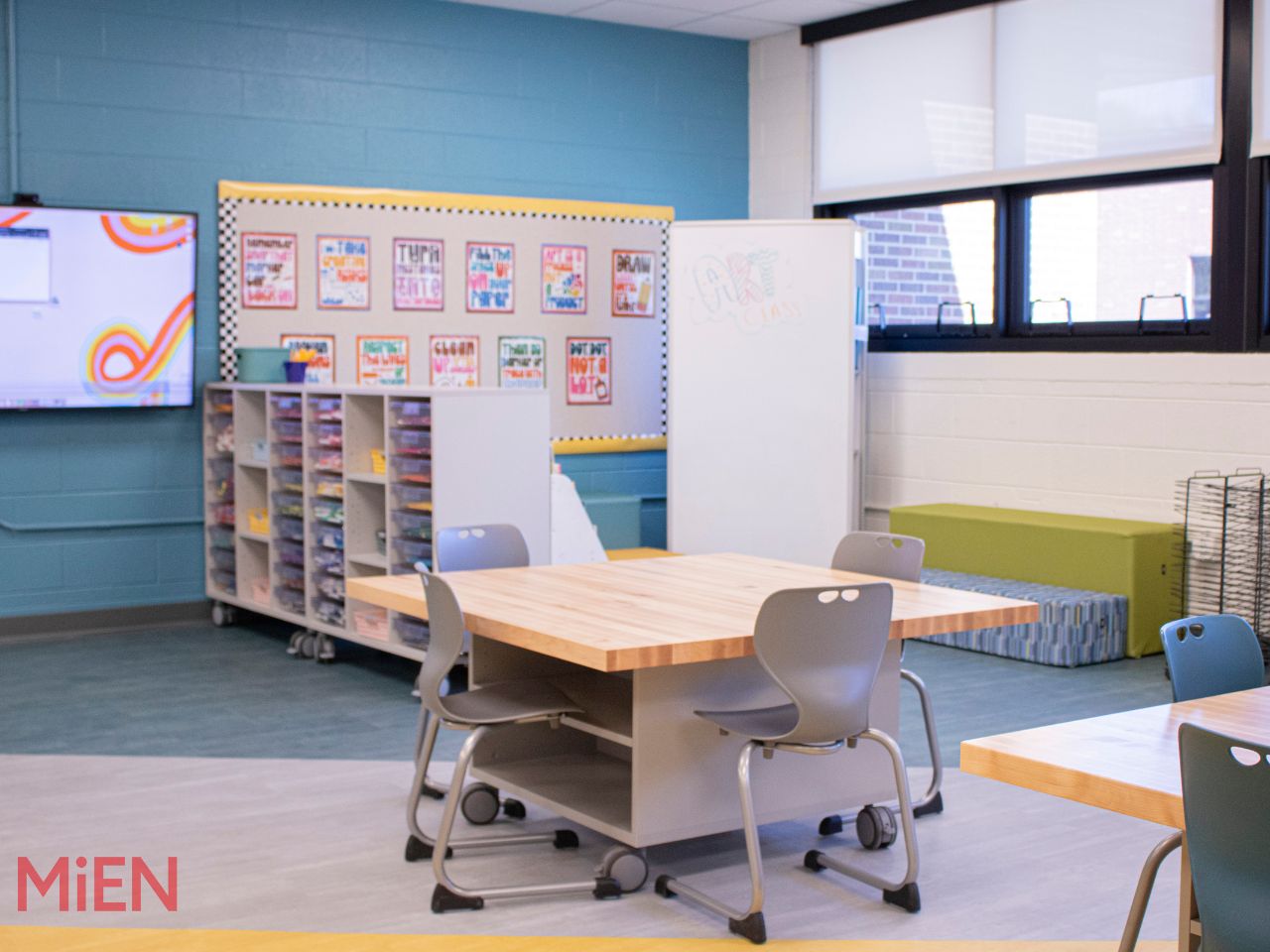
Pick pieces that move and stack with ease. MiEN flip-top tables roll into rows for tests or huddle pods for projects. Arranging desks in rows is especially effective for activities that require focus and autonomy, such as independent work. Soft cubes, rocker stools, and sit-to-stand desks give students healthy posture options. Locking casters keep setups stable once in place.
Smart Tech Infrastructure
Mount interactive displays at eye level for both seated and standing students. Smart tech infrastructure, such as interactive displays and mobile devices, helps engage students by making lessons more interactive and involving them directly in the learning process. Add ceiling power drops or floor boxes so cords stay off walkways. A mobile charging cart lets teachers park devices near any zone, keeping batteries full during long projects.
Nature and Color Integration
Bring in daylight and plant life wherever possible. Proper lighting and thoughtful color choices are essential to support child development and enhance learning outcomes. Bring in the right colors for the room. Choose calming blues and greens for focus corners, bright yellows for maker tables. GROW Up Stackable Soft Seating adds texture students can touch, which helps some stay centered during lessons.
Acoustic and Lighting Considerations
Soft wall panels and area rugs soak up echoes, reducing stress and boosting speech clarity. Researchers found that proper lighting and acoustics in learning environments significantly enhance student focus and comfort. Layer lighting: bright overheads for group tasks, warm lamps for reading nooks, and dimmable strips for screen work.
Together, these strategies keep designing classrooms for Generation Alpha simple, flexible, and ready for daily change.


Real-World Examples
Active Learning Lab
Erie Elementary School in Illinois, transformed its brand-new Pre-K–4 campus into a showcase of flexible learning by outfitting every classroom with fully mobile MiEN pieces, from FFL Cantilever Chairs, PAL Straight-Leg and OTM Flip-Top tables to KIO 360 Bookcases that double as whiteboard dividers, so one or two people can roll layouts from pairs to quads to whole-group clusters in seconds. This adaptability powers show-stopping spaces such as the glass-walled STEM lab and the inviting library, where movable Chameleon Lounge seating turns reading corners into collaboration zones. Principal Kali Livengood says the reconfigurable furniture “sings out what childhood should be about,” noting that students often beg to stay after the bell, while teachers relish the freedom to mold rooms around any lesson, making Erie Elementary “an educational masterpiece” of engagement and cooperative learning.
Read the complete Erie Elementary Customer Story.
Learning Space with Intentional Design
Echo Trail Middle School in Jefferson County, KY launched its new three-building campus with MiEN’s intentionally curated mix of agile furnishings with benches with under-table storage, cafe-height collaboration stations, high-top soft seating, and versatile tables that glide from paired work to whole-group clusters. Now teachers can reshuffle layouts in seconds to match each learning spaces’ needs for the moment or day. The cohesive color palette ties school identity to local parks while the flexible pieces give students a “sense of space and comfort” that mirrors real-world workplaces, empowering independence and hands-on problem-solving.
Read the complete Echo Trail Middle School Customer Story.
Collaborative Learning Trailblazer
Florida’s three-story Mulberry High School dotted every corridor “resource room” with MiEN furnishings tailored to each subject. From tech-ready cafe tables and smartboards for math, semi-circle high-tops for science, and soft lounge seating for English, then amped up with lime-green and orange pops that break from the campus’ blue-and-white palette. Teachers reserve a hub in a shared Google Doc and roll pieces into new shapes in seconds, while students gather before, during, and after class, turning once-unused hallways into buzzing PLC, club, and tutoring commons that prove agile furniture and purposeful color can spark collaboration and belonging.
Read the complete Mulberry High School Customer Story.


Implementation Roadmap
Assess Current Space and Learner Needs
Walk the room with teachers and students. Note traffic jams, unused corners, and tech dead zones. Survey learners on seating comfort and noise levels. Capture photos and quick measurements before any purchase.
Pilot a Flexible Zone
Choose one corner, perhaps near power outlets, and add mobile tables, soft seats, and a shared display. The goal of this flexible zone pilot is to engage students by creating an environment that encourages active participation and interaction. Run lessons there for two weeks. Track engagement with simple exit slips or a thumbs-up chart. Adjust furniture heights or layouts based on feedback.
Scale and Iterate
If the pilot boosts focus and teamwork, expand. Replace fixed desks with flip tables row by row, moving old pieces into storage or donation. Color-code zones, blue for reading, yellow for making, so students learn what behavior fits each area. In each zone, create dedicated spaces to display student work, highlighting achievements and making learning outcomes visible to everyone.
Plan for Future Tech and Enrollment Shifts
Leave 20% floor space open for AR/VR carts or new clubs. Pick furniture with universal brackets that fit tomorrow’s devices. Choose chairs rated for wide height ranges so they serve various grades later. Consider how classroom layouts can be adapted to support a variety of course activities and subject-specific needs, ensuring flexibility for different academic assessments and projects.
Partner with Experts
MiEN’s Design Support team offers 3-D renderings, product solutions, and strategies that match your timeline. Their guidance includes professional development for teachers, supporting them during the implementation process to enhance classroom engagement and adapt to new educational trends. This helps schools avoid costly missteps and keeps every step student-focused.
Following this roadmap keeps designing classrooms for Generation Alpha manageable, data-driven, and future-ready.
Future-Ready Learning Starts Today
Generation Alpha learners thrive when space, furniture, and technology work together. Flexible layouts let classes pivot from lecture to project in minutes. Seamless tech keeps ideas flowing. Wellness touches like natural light, calming colors, and biophilic features, boost focus and mood. Universal Design for Learning ensures every student finds a way to join the lesson. Displaying student work is also essential, as it celebrates achievements and creates an engaging, motivating environment for all learners.
Schools that start this journey now set the stage for decades of success. MiEN’s Design Support team can guide your renovation or new build with renderings, various product solutions, and phased plans that fit your budget and timeline.
Ready to design classrooms for Generation Alpha?
Connect with a MiEN expert today and turn your vision into a future-proof learning space.