

Designing for Movement: Why Dynamic Seating Belongs in Every K-12 Classroom
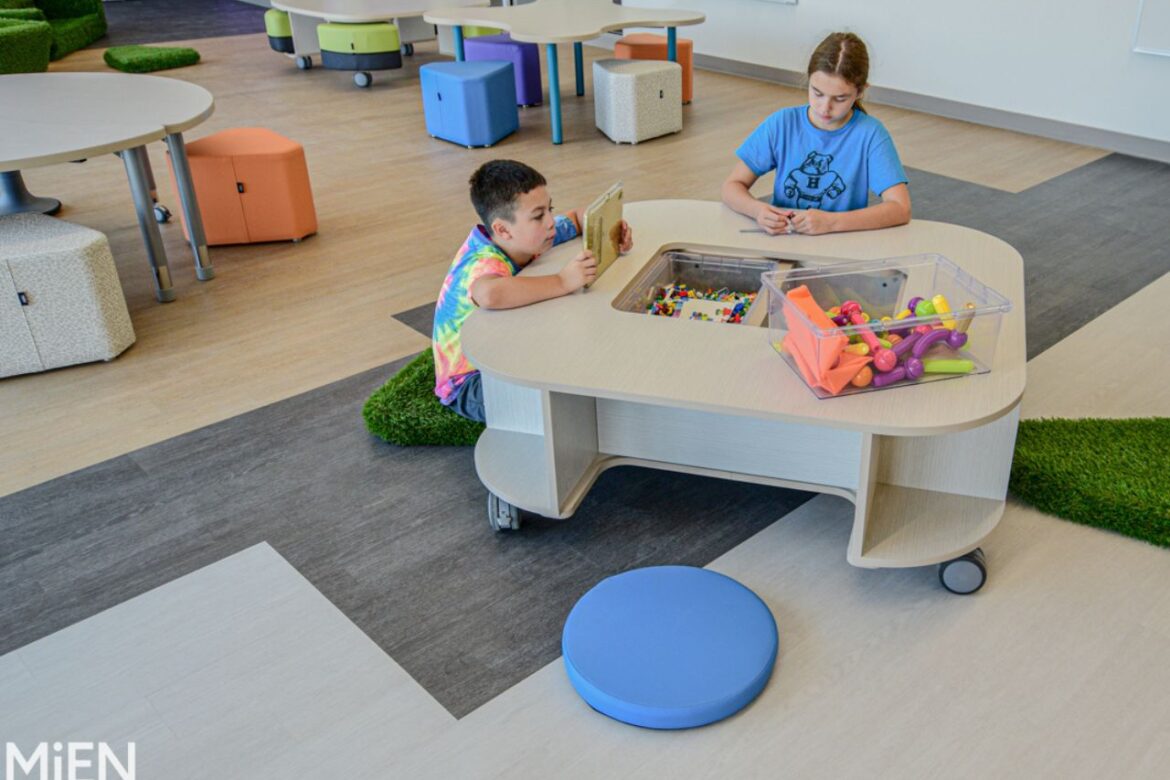
Today’s classrooms are spaces where students collaborate, problem-solve, and move through active learning activities throughout the day. These creative and diverse learners demand environments as dynamic as they are. That’s why more schools are rethinking their classroom furniture choices and turning to dynamic seating—furniture that’s designed to move, flex, and adapt with students.
In this post, we'll take a look at:
Unlike flexible seating, which emphasizes a variety of seating options for different functions, dynamic seating is about movement and manipulation. It allows students to shift, swivel, rock, lean, or perch—all while staying engaged with their learning. By making classroom furniture more responsive to student needs, dynamic seating creates inclusive learning environments that support engagement, comfort, and academic success.
Here are 5 reasons dynamic seating belongs in every classroom:
1. Movement Supports Learning
Research shows that movement is tied to cognitive function. Small movements such as wobbling and changing positions stimulate blood flow and oxygen circulation, helping students maintain focus and better retain information.
When learners can adjust their seating, they aren’t just getting more comfortable—they’re also waking up their brains to help themselves engage better in the classroom. In this way, dynamic seating works to improve student focus and attention, facilitating deeper learning and better long-term retention.
2. Fidgeting Helps Learners Regulate
Every classroom has at least one student who struggles with sitting still. Instead of labeling learners’ natural need to move around as a distraction, modern educators understand that fidgeting is a crucial tool for physical and emotional regulation. Today’s classrooms must offer a variety of ways for students to engage in this crucial coping mechanism, and dynamic seating is an effective solution.
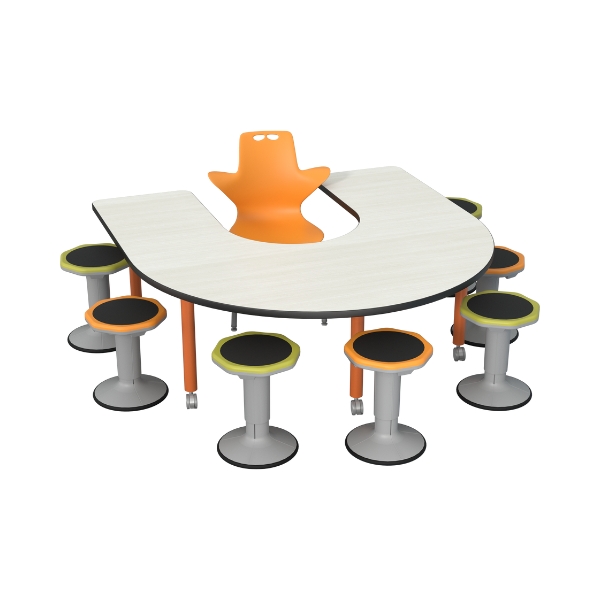
Dynamic seating provides a constructive outlet for students’ physical energy and movement needs. Chairs and stools designed to swivel or wobble make it possible for students to move around without leaving their seats, offering an important accommodation while still keeping the classroom focus on learning. With the right seating and dynamic classroom spaces, learners can channel restlessness into subtle activity that supports rather than disrupts learning.


3. It Fosters Inclusivity and Equity for Every Student
Dynamic seating isn’t one-size-fits-all, and that’s what makes it such an equitable and inclusive addition to today’s classrooms. Every learner is unique, with differing body types and varying physical and sensory needs. Some students have disabilities that impact their comfort in the classroom, such as neurodivergent students, students with mobility aids, and students with sensory processing disorders.
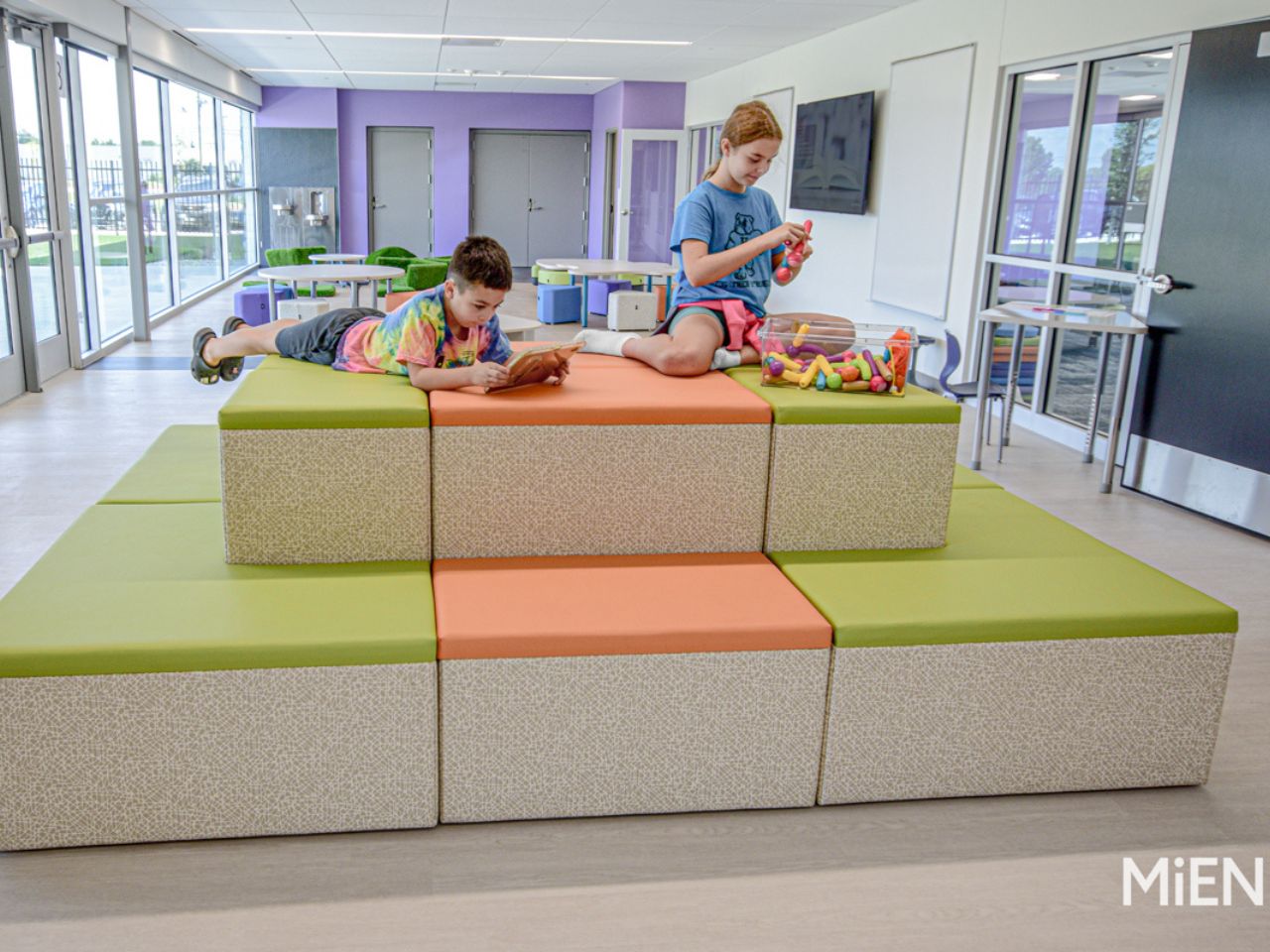
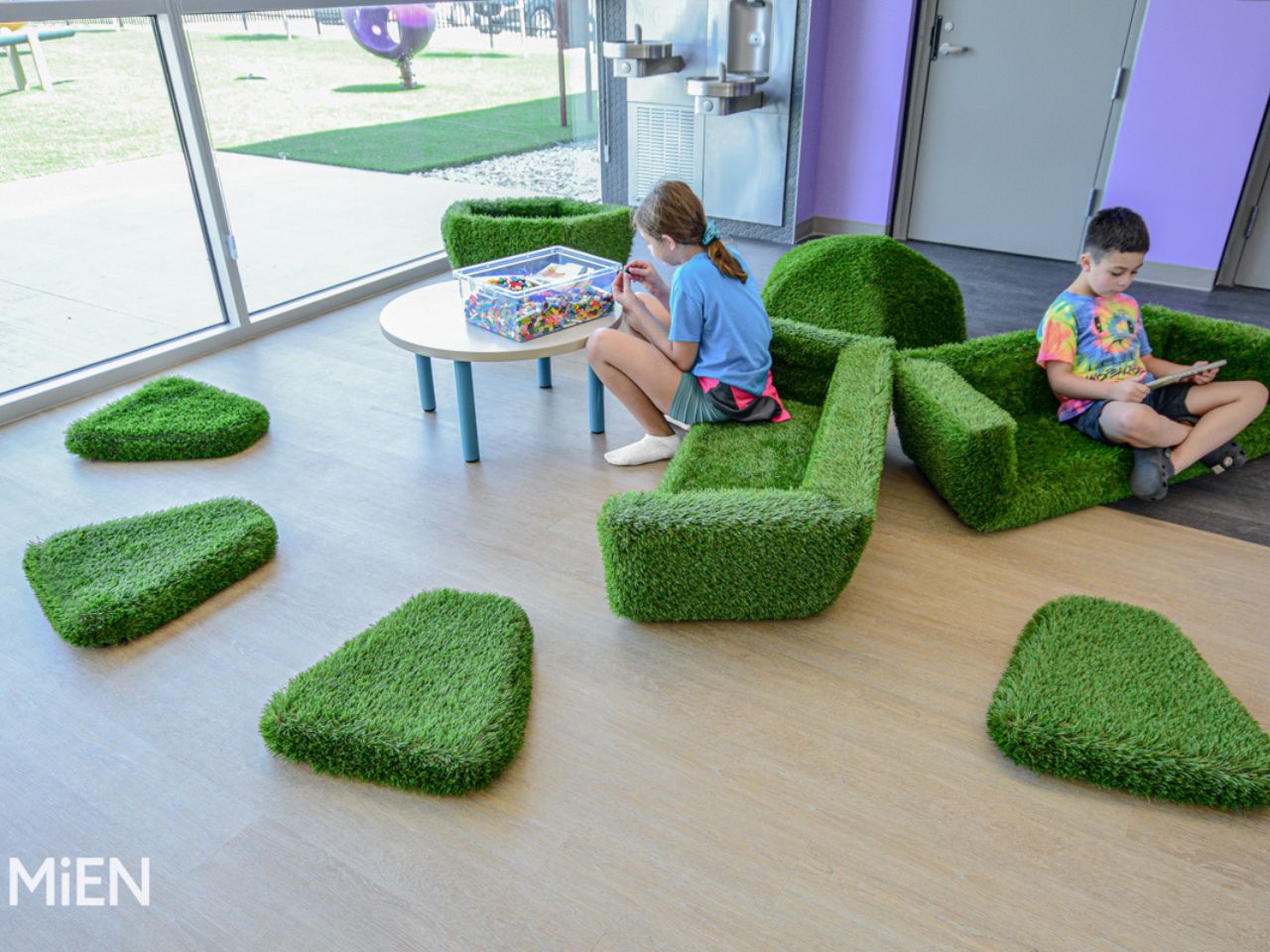
Every single one of these learners deserves a comfortable and engaging classroom experience, but traditional seating can be a barrier to participation in certain learning activities. By offering furniture that can be adjusted, repositioned, or used as an extra support, educators can ensure every student feels comfortable. This dynamic furniture fosters belonging and helps cultivate a school-wide mindset of equity and inclusion.
4. It Empowers Teachers with Agile Classrooms
Dynamic seating isn’t just for students; it also empowers teachers with agile classrooms. Because this furniture is generally mobile, adaptable, and designed for movement, it allows educators to create flexible classrooms that shift with instructional needs. Teachers can quickly move from whole-class lectures to small-group collaboration, all without wasting any time or disrupting the flow of learning. An agile classroom is built for movement and supports the full spectrum of today’s evolving teaching practices.
5. Flexibility Helps Learners Prepare for Their Futures
Dynamic seating helps create learning spaces that mirror the environments students will encounter in higher education and the modern workplace. In these professional environments, adaptability is key. By giving students control over their comfort and posture, dynamic seating encourages self-regulation, decision-making, and responsibility—skills that will support students in their future endeavors, far beyond the classroom.
Designing Classrooms for Movement and Engagement
At MiEN, we believe classroom furniture should be as dynamic as the students who use it. Dynamic seating empowers learners to move, focus, and engage in ways that are natural and inclusive. When classrooms are dynamic and designed for movement, they become places where every student has the opportunity to thrive.