

Back-to-School Classroom Setup Checklist: Quick Guide for Teachers
This back-to-school classroom setup checklist helps you get your room ready fast. It covers layout, learning zones, seating, storage, tech, safety, and routines. Use it start to finish or jump to what you need. The goal is simple: a calm room that supports learning on day one.
In this post, we'll take a look at:
Quick Start
Sketch the room, mark entry and exit, and keep a clear path. Optimize classroom space by incorporating natural elements and arranging the environment to enhance student comfort and focus. Place your teacher station where you see all seats and can walk a loop. Define three zones, whole-group, small-group, and independent work. Label bins by task so students find tools without crossing the room, ensuring classrooms are organized to support diverse learning needs. When planning seating and layout, arrange desks in small clusters to promote collaboration and engagement. Power on devices, test Wi-Fi and logins, and set a short daily schedule at eye level. Remove tripping hazards, cut glare, and soften echo. Plan five days with one backup task per day.
Layout and Traffic Flow
Keep one clean route from the door through each zone. Add a backpack drop near the entry. Protect sightlines by angling screens and keeping tall storage off the teaching wall. Park high-use items on the perimeter so the center stays open. Post simple wayfinding signs, “Read,” “Build,” “Discuss”, at student eye level. Do a quick walk-through, fix pinch points, and adjust after the first week.
Create Learning Zones
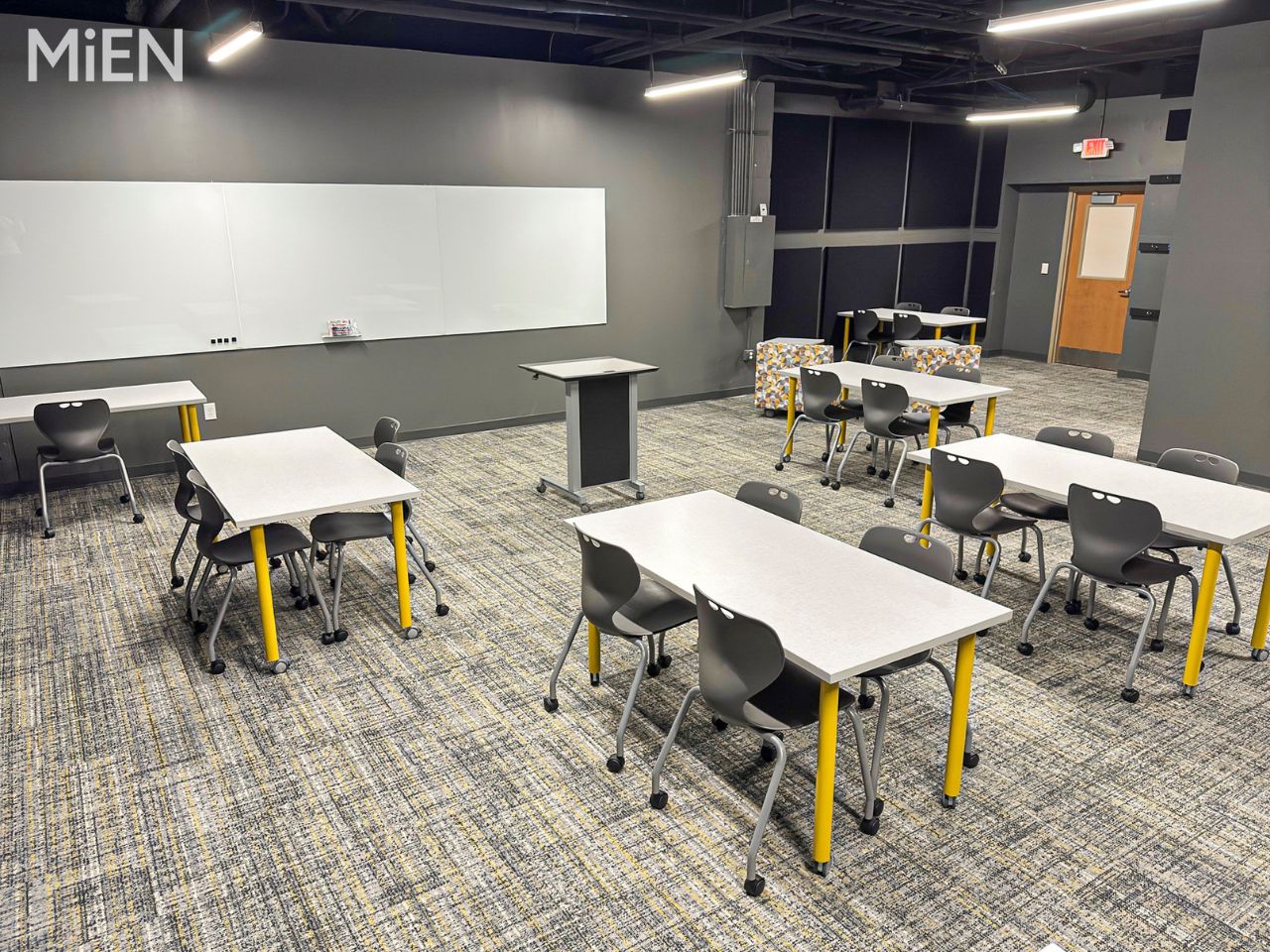
Center the whole-group area on your display and keep tools tight: markers, remote, timer. Place a small-group table close enough for quick help but far enough to limit noise; store its materials within reach. When defining these zones, consider how differentiated instruction is supported by having distinct learning zones, allowing you to tailor teaching approaches to meet the diverse needs of your students.
Set two to four quiet seats with light visual shields and a “sit → start → check” card. Add one durable project surface with a labeled bin per project and cleanup tools right there. The learning zone model helps students find the sweet spot for learning, where they are challenged but not overwhelmed. When designing each learning zone, recognize students’ diverse abilities and learning differences to ensure every lesson is accessible and supports all learners.

Seating and Grouping
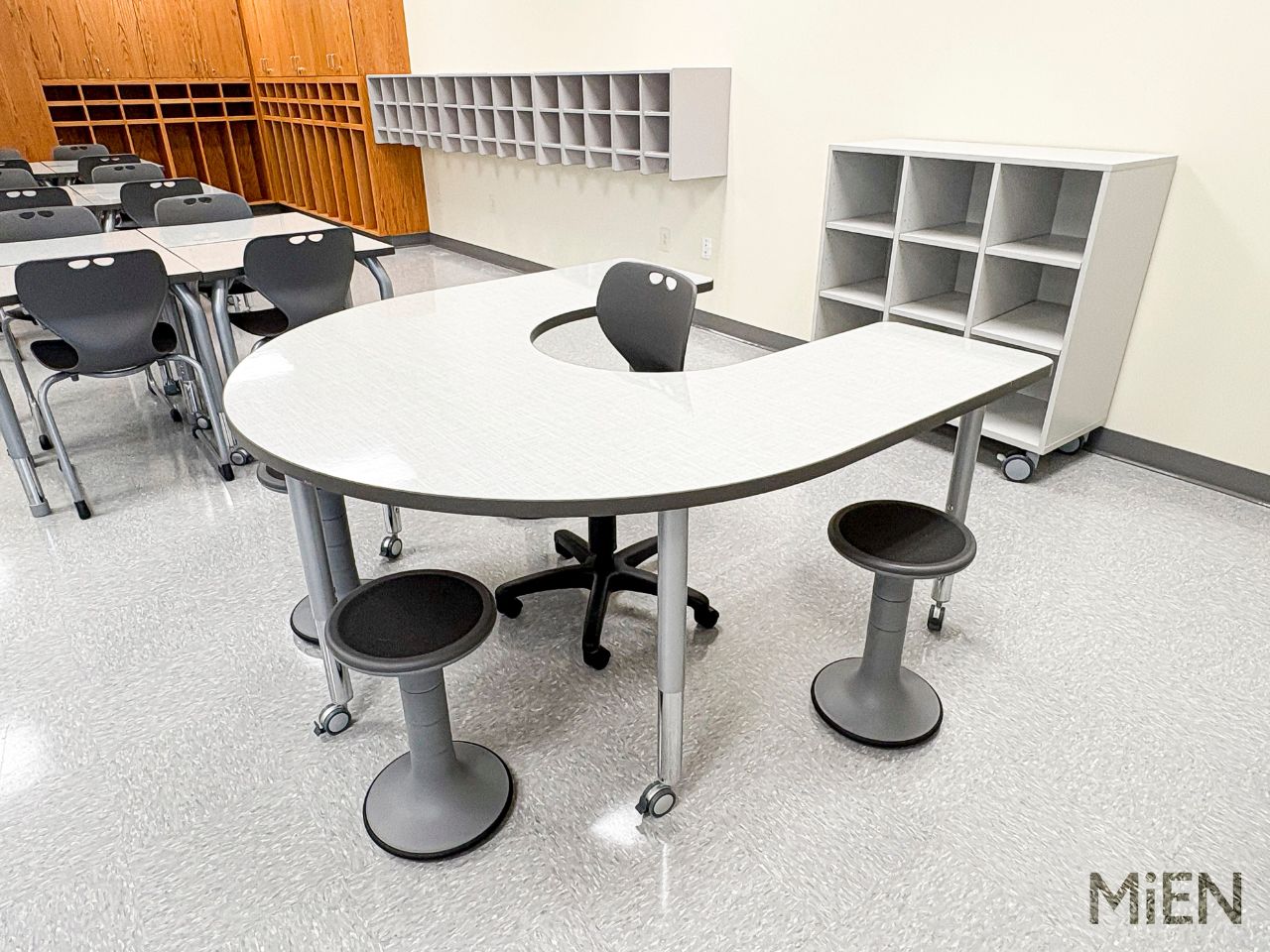
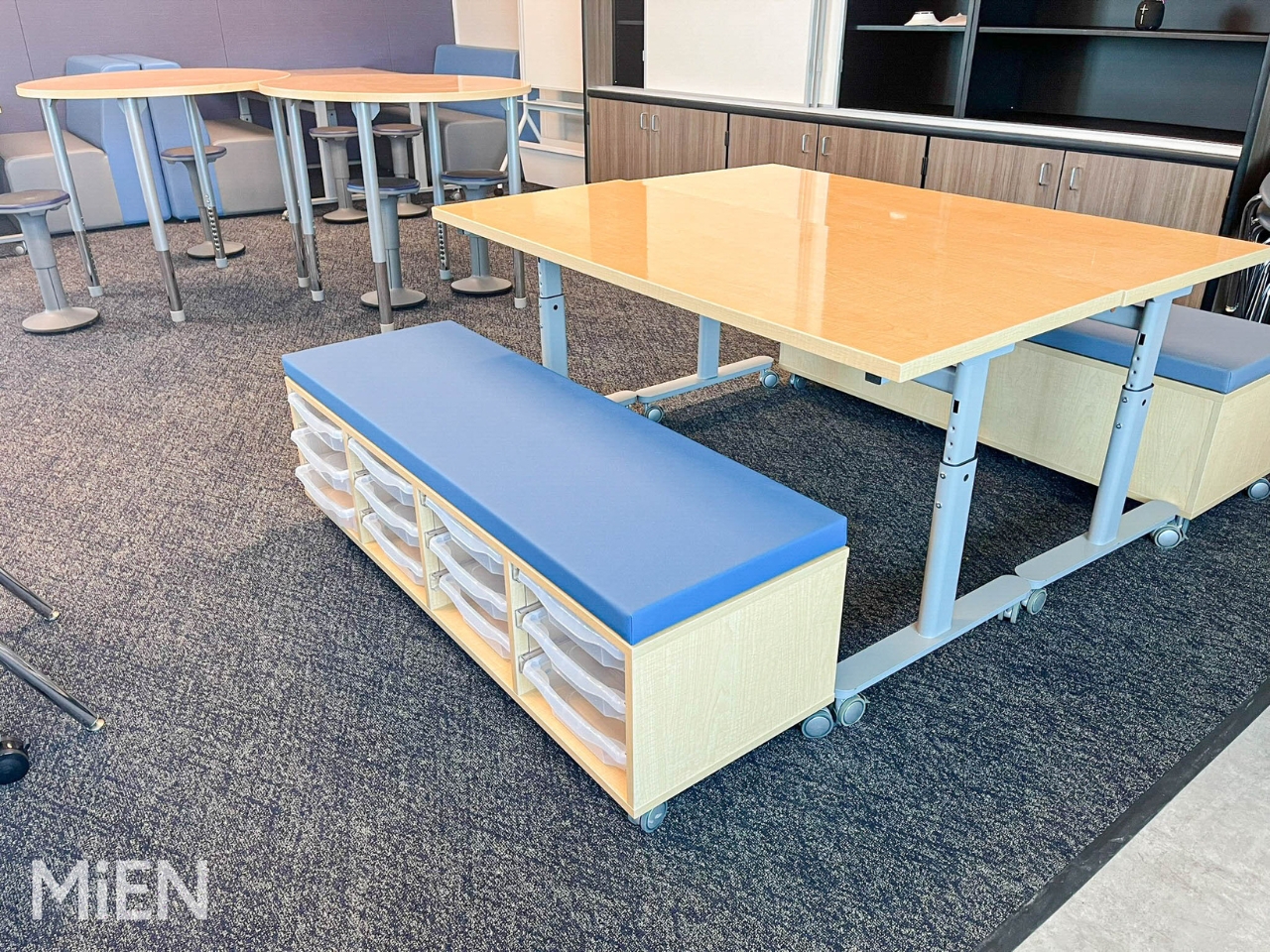
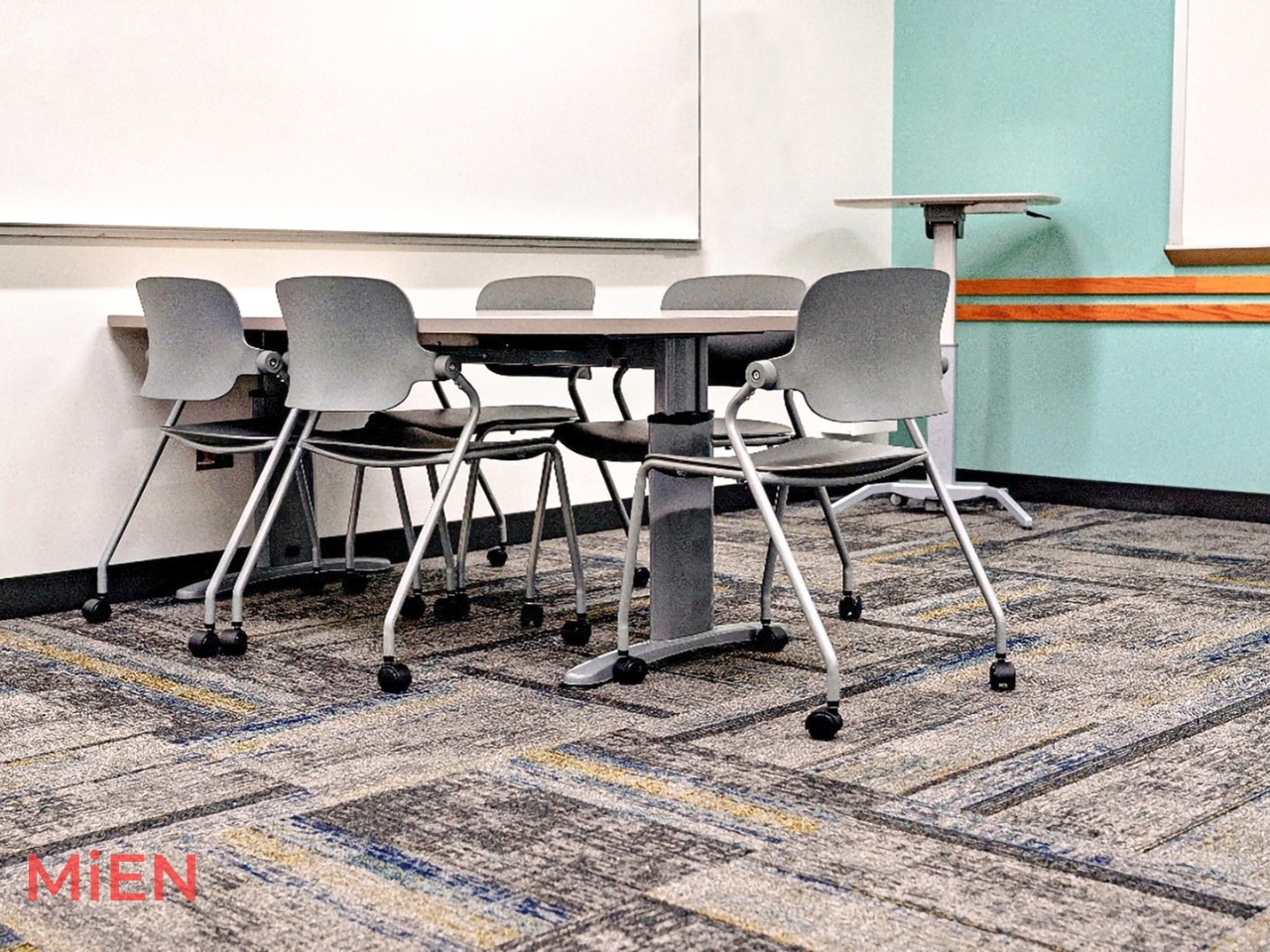
Match seating to tasks by incorporating flexible seating options and different types of desks, such as sit-to-stand desks and mobile desks, to support various activities. Use small clusters of desks for discussion, as this arrangement can foster new friendships among students. Arrange rows or a shallow arc for direct instruction, and provide a few quiet seats for focus work. Post simple rules for seat changes: choose, work, return, and offer student choice in seating to promote engagement. Encourage students to step out of their comfort zone by trying new seating arrangements. Lock casters, size chairs so feet rest flat, and number seats to speed grouping. Keep a small backpack drop near each cluster to clear aisles or use seating that provides hanging backpacks on.
Storage and Materials
Label by task or subject and keep supplies in the zone they serve, providing resources that support diverse learning needs. Pair words with colors or icons so students move without asking. Keep daily-use items open and secure sharp or chemical items in closed cabinets. Use shelves, pegboards, and cubbies to lift clutter off the floor. Roll a mobile cart to the group that needs it, then park it on the perimeter. Close each day with three steps: return supplies, clear surfaces, push in chairs. The benefit of organized resources is that they promote student independence and improve classroom efficiency.
Tech Readiness
Join Wi-Fi, sign in to core apps, and run updates before students arrive. Check the panel or projector from the back row and test audio and the document camera. Label and secure cables; keep a spare HDMI, a USB-C adapter, and a power strip at your station. Save slides locally, print a backup set, and post a short fallback order: “Try Wi-Fi → Restart → Use print set.”
Routines and Visuals
Post a simple start: enter, hang backpack, begin warm-up. Clearly set expectations for behavior and participation by posting routines and rules where all students can see them. Map transitions with the same icons on signs, shelves, and bins. Visual supports foster understanding of daily routines for all students, making the environment more inclusive. Use a three-level voice scale and a visible timer. Publish the day at a glance near the teaching wall. End with a three-step close so the room resets in minutes.
Safety, Comfort, and Accessibility
Maintain a 36-inch path, stable furniture, and clear access to exits and nurse supplies to ensure the safety and comfort of all kids. Cut glare, add task light where needed, and reduce echo with soft surfaces. Keep vents open and replace filters on schedule. Place daily-use items within easy reach for all students.
Accessible classroom design benefits students of all abilities by supporting their diverse needs and promoting academic success. It is important to accommodate different abilities in the classroom setup to create an inclusive environment for every learner.


Support Student Well-Being
Create a small quiet corner with a soft seat, a lamp, and a timer. This space can help students who may feel overwhelmed by providing a calm area to regroup. Offer a few seating choices and post clear rules for switching. Use pairs or trios with simple roles to build peer support. Invite one small layout change after week one and keep the visual schedule steady. These strategies help students develop new skills in managing their environment and interactions, supporting their ability to learn successfully.
Establish a Growth Mindset
Building an inclusive learning environment starts with a growth mindset. When teachers encourage students to see challenges as chances to learn, students develop resilience and a sense of confidence that carries them through tough moments. Praise effort, persistence, and progress, not just grades or quick wins. This approach helps students tackle learning challenges head-on and builds a classroom culture where everyone believes they can improve. By focusing on growth, teachers support academic success for all students and create learning environments where every child feels valued and capable of reaching their best academic outcomes.
Foster a Sense of Community
A strong sense of community is the heart of an inclusive classroom. When students feel connected to their peers and teachers, they are more likely to participate, share ideas, and support each other’s learning. Foster this community by encouraging teamwork, group projects, and open discussions. Give students regular chances to collaborate and celebrate each other’s successes. These inclusive learning environments help students build essential skills like communication and empathy, leading to better academic outcomes and a more positive classroom experience. When students feel a sense of belonging, they are more motivated to learn and grow together.
Use Data to Inform Instruction
Inclusive learning environments thrive when teachers use data to guide their instruction. By reviewing student work, assessments, and feedback, teachers can spot trends and identify where students need extra support or new challenges. Adjust lessons and groupings based on this information to ensure every student receives a quality education tailored to their needs. Using data helps teachers provide targeted support, making learning more effective and inclusive. This approach leads to stronger academic outcomes and ensures that all students have the opportunity to succeed, no matter their starting point.
Provide Feedback and Support
Regular feedback and support are key to an inclusive learning environment. Give students clear, constructive comments that highlight strengths and offer specific ways to improve. Create routines for students to check in on their progress and ask for help when needed. This ongoing support helps students build self-awareness and confidence, both crucial for academic success. When teachers provide consistent feedback, students feel guided and encouraged, making it easier for them to overcome obstacles and reach their goals in a supportive learning environment.
Encourage Student Reflection
Encouraging students to reflect on their learning is a powerful way to build an inclusive learning environment. Set aside time for students to think about what they’ve learned, what strategies worked, and where they can grow. Use journals, quick check-ins, or group discussions to prompt reflection. This practice helps students develop metacognition, self-awareness, and the skills needed for academic success. When students reflect, they take ownership of their learning journey, build confidence, and become more independent learners. Teachers who support reflection help students develop the sense of autonomy and self-direction that leads to lasting academic outcomes.
Work With Facilities and IT
Walk the room with facilities and IT for 15 minutes. Flag repairs, confirm filter schedules and room comfort, and check outlets and wall plates. Research shows that classroom comfort, such as proper temperature and air quality, significantly impacts student learning and engagement. With IT, test logins, calibrate the display, and confirm audio reach. Keep two spare, HDMI and USB-C, at your station. Share a short punch list and set one quick check-in during the first month. Revisit facilities and technology setup periodically throughout the school year to ensure everything continues to support an effective learning environment.
First-Week Plan
Day 1: Tour paths and routines.
Day 2: Practice supply runs and returns.
Day 3: Rotate through all zones and introduce different types of lessons to engage every student.
Day 4: Incorporate reading activities to support literacy and academic performance.
Day 5: Gather feedback, adjust one thing, and discuss how these activities help students learn and adjust to the classroom environment.
Run a full-flow task and publish next week’s plan.
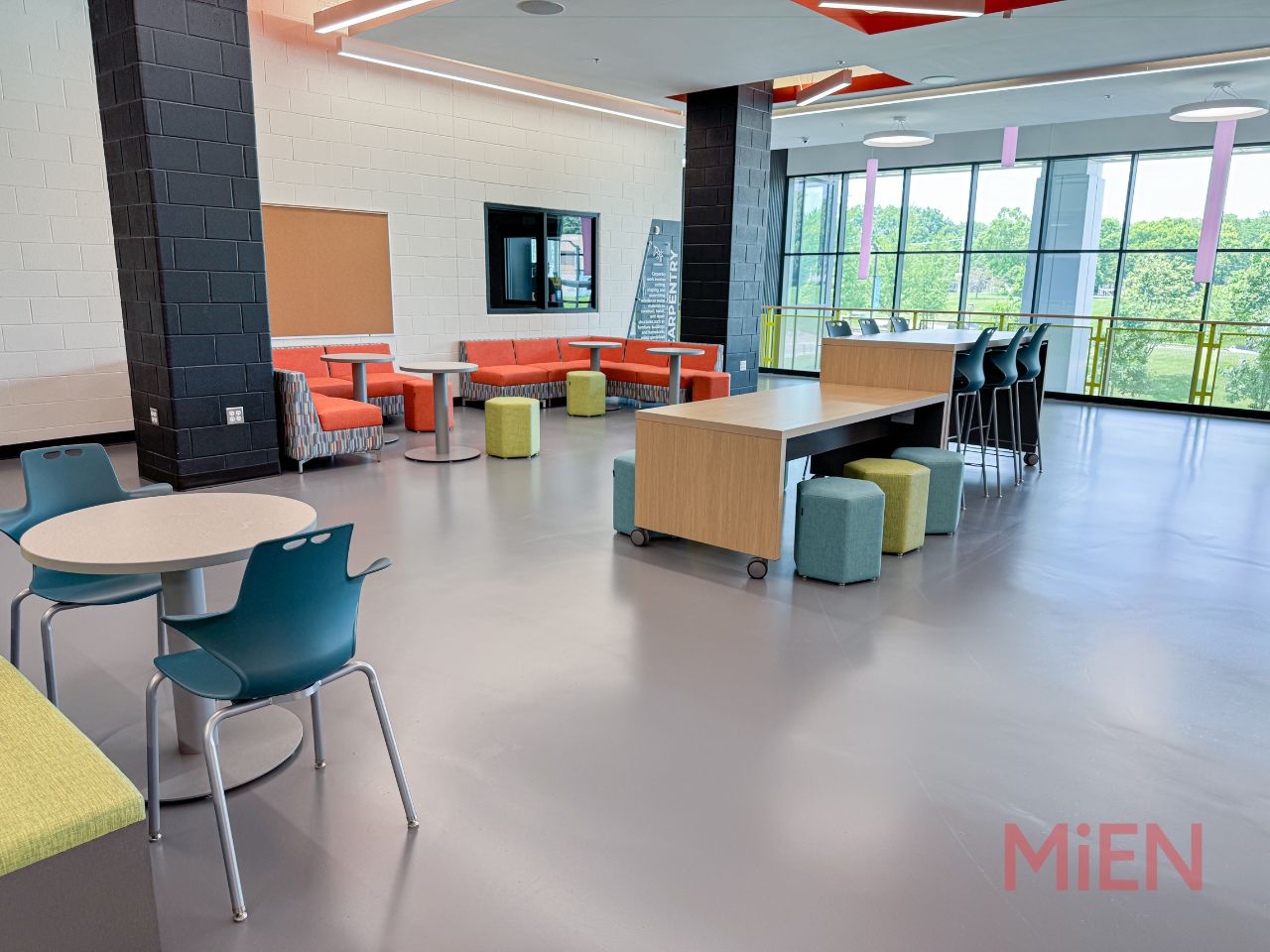
Back-to-School
Use this back-to-school classroom setup checklist to launch with clear paths, ready tech, labeled storage, and predictable routines. This checklist helps schools create inclusive classrooms that support students with diverse learning differences. Tweak one small item each week to keep the room smooth and focused. If you want a quick review, MiEN’s Design Support team can look at your floor plan and suggest mobile storage, markerboard dividers, or student seating that fits your goals.