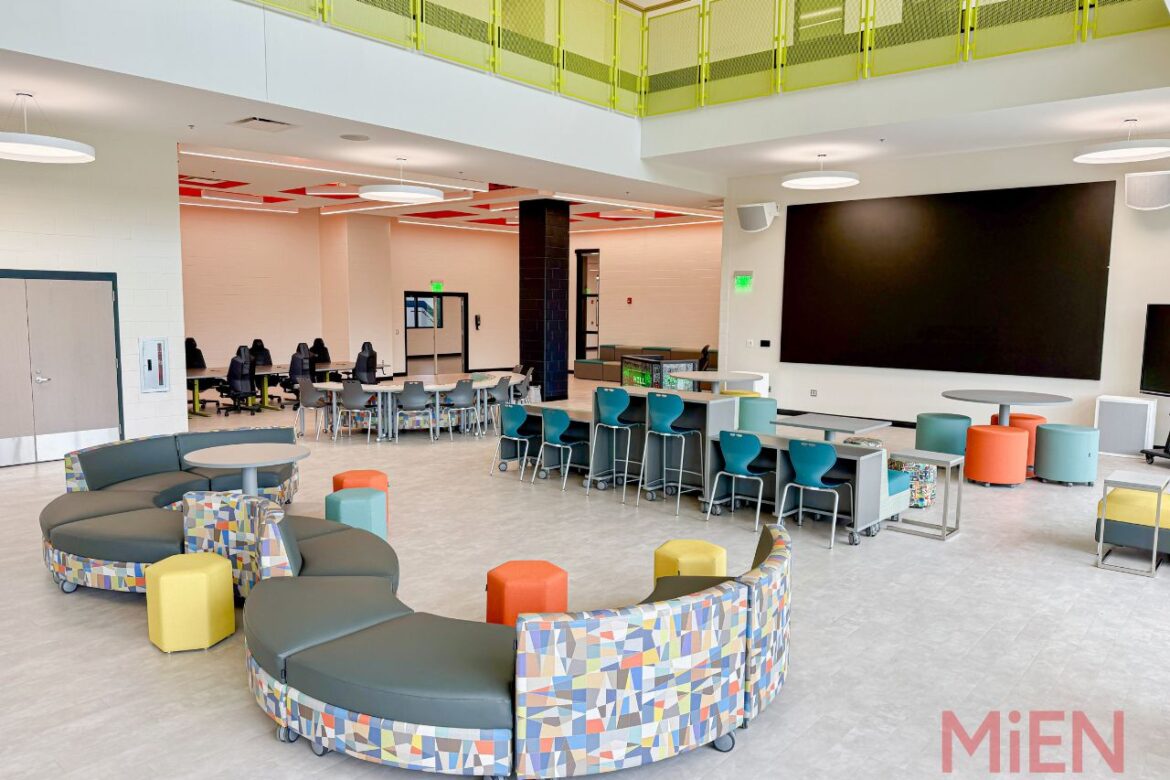
Designing Sustainable Inclusive Learning Environments: A Guide for Educational Leaders
- July 27, 2025
- MiEN

Learning spaces shape how students engage, collaborate, and grow. A well‑designed campus can cut energy use, support all learners, and spark creativity. We explore how to build sustainable inclusive learning environments that pair green design with universal access.
In this post, we'll take a look at:
Sustainability in schools, K-12 to Higher Education, goes beyond solar panels. It means using healthy materials, maximizing daylight, and reducing waste. Inclusion means planning for neurodiverse students, social‑emotional needs, and varied learning styles. Together, these goals create spaces that boost focus, comfort, and well‑being for every user. Sustainable inclusive learning environments are intentionally created through collaborative efforts and a shared understanding of sustainability and inclusion.
This guide shows why green and inclusive design matters, how to apply core principles, and what steps your institution can take. You’ll find clear examples, simple strategies, and data‑driven insights. Let’s start by defining the twin pillars of sustainability and inclusion in learning environments. Building these environments relies on developing knowledge and understanding as foundational elements for effective design.
Sustainable inclusive learning environments improve health, performance, and long‑term value for schools. Green design cuts energy and operations costs. Inclusion practices ensure every student can access and benefit from the space. Inclusive schooling practices play a crucial role in shaping responsible citizens who are prepared to address complex challenges in society.
Sustainability starts with efficient energy use and healthy materials. Schools that use daylight, low‑VOC paints, and recycled furnishings lower utility bills and reduce carbon footprints. Over time, these choices pay back in savings and well‑being.
Inclusion means planning for varied needs. Universal design in K‑12 schools uses wide aisles, adjustable tables, and clear signage so students of all abilities move freely. Trauma‑informed environments add quiet zones and sensory‑friendly areas to help learners feel safe and focused.
Combining green building design with universal access, you create a campus that lasts longer, costs less to run, and serves every learner. Addressing sustainability and inclusion at the present moment and at a global level is essential for fostering global citizenship and meaningful impact.
Schools that use energy wisely save money and cut emissions. Natural light can reduce electric lighting needs by up to 40%. LED fixtures use about 75% less energy than older bulbs. Adding solar panels or geothermal heating further cuts utility costs. Together, these measures free budget for programming and hardware.
Indoor air affects focus and health. Choosing low‑VOC paints, recycled carpeting, and FSC‑certified wood limits toxins. High‑efficiency filters and natural ventilation remove dust and mold. Schools report 30% fewer asthma incidents and sick days after upgrading materials and filters.
Access to daylight and nature lifts mood and speeds recovery. Classrooms with large windows and plant walls boost concentration. Studies link daylighted rooms to a 15% rise in test scores and a 20% drop in behavior incidents. Simple touches—potted plants, green views—make spaces feel alive and support well‑being. Students have learned valuable lessons from these interactions with natural elements, deepening their understanding of the environment and fostering a stronger connection to nature.
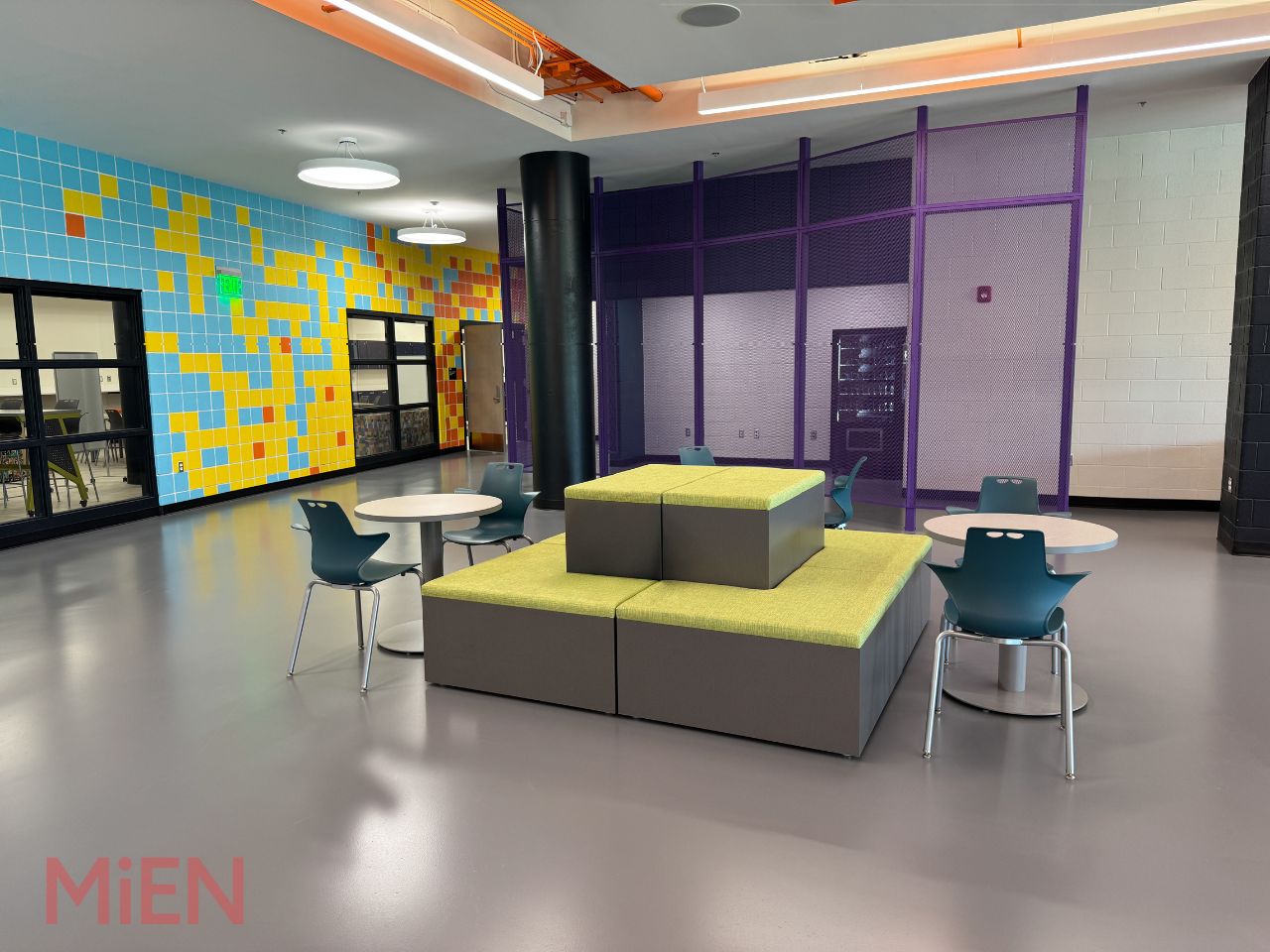

Universal design makes every student feel welcome. Teacher education plays a crucial role in preparing educators to implement universal design for inclusion, ensuring they have the skills and knowledge to create accessible and supportive learning environments. It uses clear layouts, flexible tools, and varied ways to learn.
Offer content in different modes, such as text, audio, and visuals. Let students show work with speech, writing, or projects. Use touchscreens, whiteboards, and printed handouts. These options help learners pick the method that suits them.
Create quiet corners with soft seating and low lighting. Add clear signage with simple icons. Use height‑adjustable tables to suit different postures. These zones let learners self‑regulate and stay focused. Collaboration and awareness of other teachers in the space are also important for creating supportive environments.
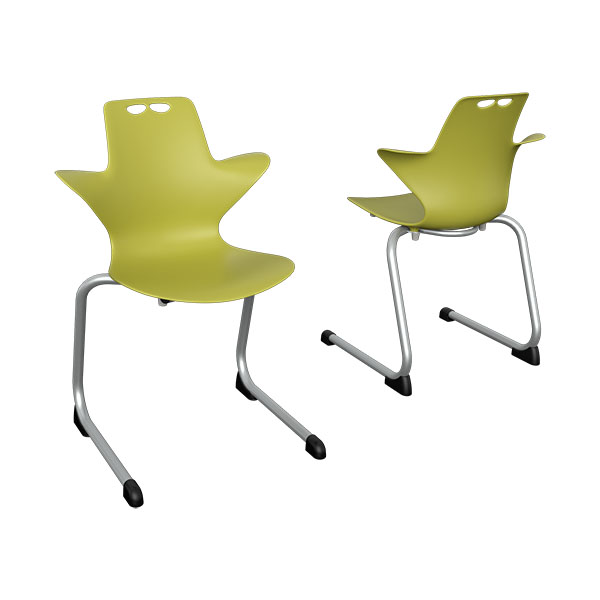
Provide chairs, stools, floor cushions, and standing desks. Let students switch seats each period. This choice builds comfort and agency. Schools that added flexible seating report a 25% rise in on‑task behavior.
Following these principles, you meet legal standards and boost every student’s chance to succeed.
Modern learners need spaces that mirror real workplaces. Tech‑ready zones offer hands‑on practice with tools they will use on the job. The integration of new technologies supports the development of essential skill sets, such as digital literacy and collaboration, preparing students for success in modern, technology-driven environments.
Makerspaces host tools like 3D printers, CNC routers, and soldering stations. They let students build prototypes and test ideas. Project‑based learning environments in these labs boost creativity and problem‑solving. Schools that added makerspaces saw a 40% jump in STEM club participation.
Esport labs use high‑performance PCs, large displays, and team pods. They teach strategy, teamwork, and digital literacy. Collaborative learning spaces in these zones help learners share tactics and review play. A district that launched an esports program reported a 30% rise in after‑school attendance.
AI labs include GPUs, data sets, and coding stations. They train students in machine learning, data analysis, and automation. Industry‑aligned classrooms pair these labs with real‑world projects from local firms. Colleges that built AI labs report a 25% increase in internship placements. These zones bridge theory and practice. They prepare learners for careers in emerging fields and support active learning environments.


Different age groups need different setups. Integrating sustainability and inclusion principles from early childhood education and the early years onward is essential to foster environmental literacy, social justice, and inclusive values from the very beginning. Flexible configurations let schools adapt spaces as learners grow.
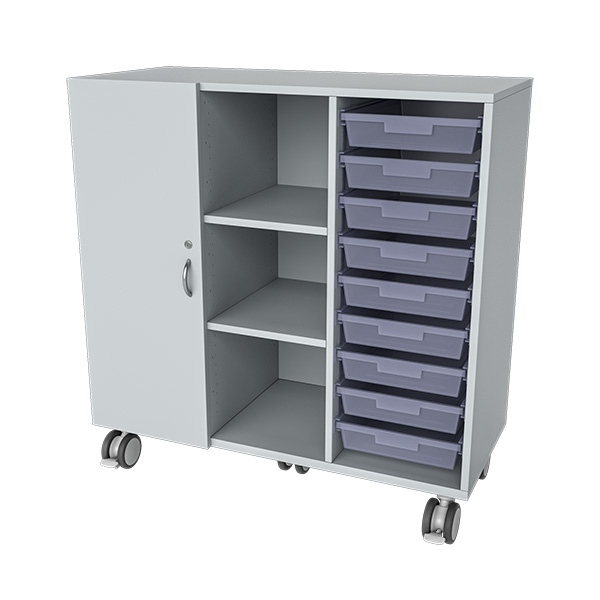
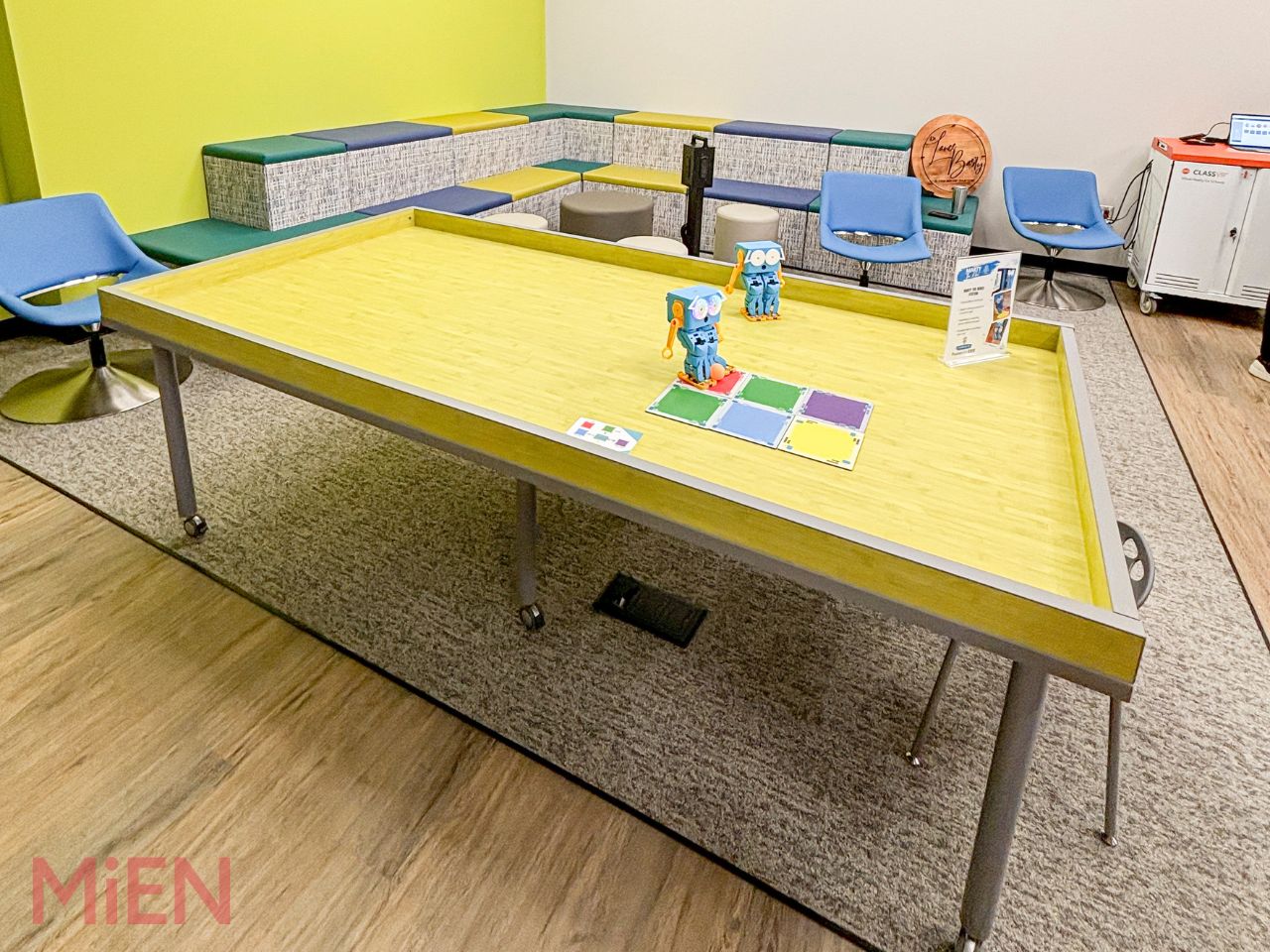
Use nesting tables, lightweight chairs, and rolling storage carts. Elementary classrooms can form reading circles one day and lab benches the next. University lecture halls can break into small seminar pods. Configurable learning spaces cut renovation time and cater to varied tasks. Flexible classroom space allows educators to easily adapt the environment to support traditional lessons, collaborative projects, hybrid learning, and activities beyond the classroom.
Younger students need safe, low tables and colorful zones. Older learners need higher desks, private pods, and advanced tech hookups. Flexible learning environment design means choosing furniture that adjusts height and layout. Schools that standardize on adjustable pieces save on long‑term upgrades and build a unified brand image. These strategies ensure a cohesive experience from kindergarten to college.

Learners who shape their space feel ownership and stay engaged. Empowering young people to take an active role in shaping their learning environments is crucial for fostering engagement and agency. Co‑design and feedback loops make this possible.
These steps boost comfort, focus, and a sense of agency.
Educators build inclusive school communities that boost engagement, critical thinking, and lifelong learning by celebrating diversity, fostering collaboration, and continuously evaluating their spaces. Using group activities, flexible layouts, and global‑citizenship projects, teachers help students form meaningful relationships, develop social skills, and tackle real‑world problems through open‑ended questions and project‑based learning. Regular surveys, observations, and focus groups then measure how well these flexible, tech‑enabled environments support varied learning styles, student well‑being, and career readiness. Research suggest this cycle of community building, critical‑thinking practice, and data‑driven assessment ensures every learner feels valued, connected, and prepared for success in an ever‑changing world.
Tracking success shows value and guides improvements.
Collecting and sharing this data helps secure funding and expand successful designs. Developed countries often lead in measuring and reporting on educational outcomes and international cooperation, setting benchmarks for others to follow.

Actionable Roadmap
Sustainable inclusive learning environments blend green building design with universal access. They cut costs, boost well‑being, and prepare students for future careers. Following clear principles and involving your community, you can create spaces that serve every learner from K‑12 through higher education. Start small, measure impact, and scale what works.